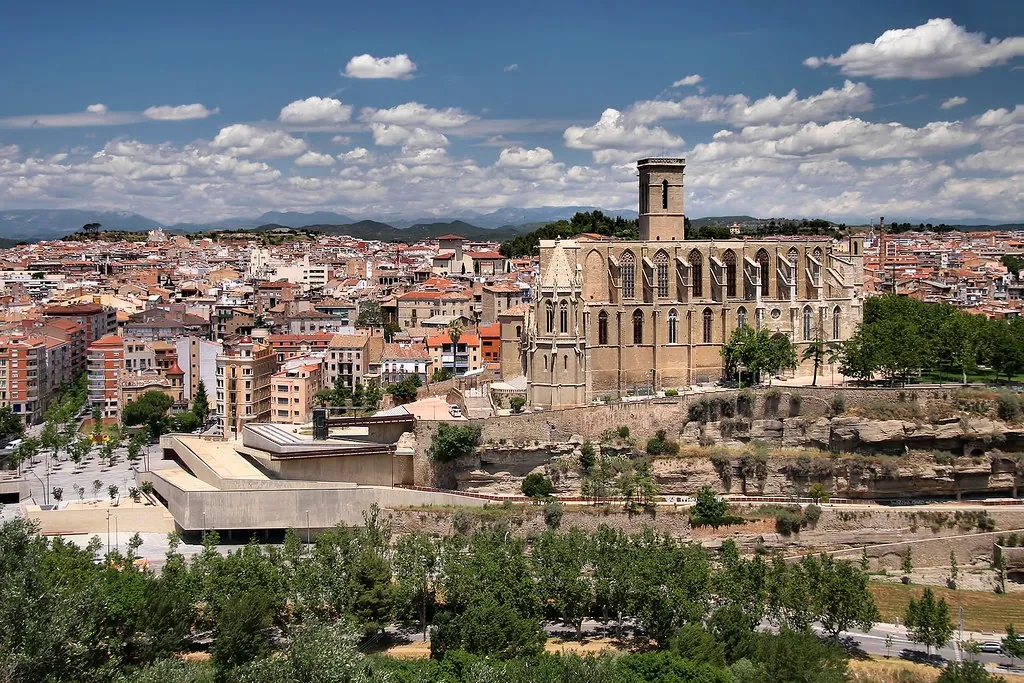
1842 La Lonja Roca Sallent, AHCB Num 18013.jpg
Jorge Franganillo · Flickr 4
Cataluña · Sea, Mountains & Culture

Sallent

The first thing you notice is the smell of damp stone and diesel drifting from the abandoned potash shaft on the edge of town. It is 07:45, the Llo...

7,030 inhabitants · INE 2025
278m Altitude

Why Visit

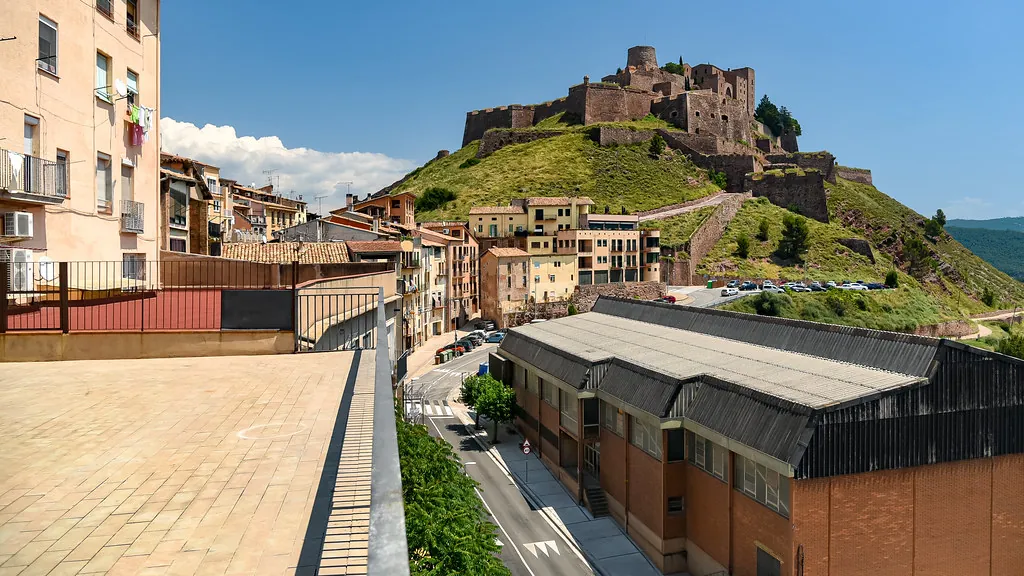
Sallent Castle Industrial routes

Best Time to Visit

year-round

Las Enramadas (June) junio

Things to See & Do
in Sallent

Heritage

  • Sallent Castle
  • Torres Amat House Museum

Activities

  • Industrial routes
  • Las Enramadas

Festivals
& & Traditions

Fecha junio

Las Enramadas (junio)

Las fiestas locales son el momento perfecto para vivir la autenticidad de Sallent.

Full Article
about Sallent

Mining and industrial town on the Llobregat with medieval remains

Ocultar artículo Leer artículo completo

The first thing you notice is the smell of damp stone and diesel drifting from the abandoned potash shaft on the edge of town. It is 07:45, the Llobregat river is still silver with night dew, and a handful of elderly men in quilted jackets are crossing the medieval bridge to claim the sunny tables outside Bar Jovi. Sallent does not shout for attention; it lets the shift-change hooter do the talking, even though the last miner clocked off years ago.

At 278 m above sea level, the village sits low enough to escape the Pyrenean snow line yet high enough to catch the breeze that rattles the plane trees along the C-16 from Barcelona. That breeze carries more than pollen: it carries a century of dust from the subterranean tunnels that once fed Europe’s fertiliser industry. The headstock wheel still turns, slowly, in the wind—an iron weather vane for a town learning to live above ground again.

A Walk Through Layers

Start at the river. The single-arch bridge is not epic—thirty-five paces end to end—but its sandstone blocks have been swapped out so often that it functions like a core sample: medieval here, Franco-era patch there, 1992 flood repair cemented underneath. Cross it slowly; traffic lights alternate cars every thirty seconds, giving you licence to linger without being run over.

From the bridge, Carrer Major climbs 12 % towards the parish church. The gradient is gentle enough for prams, ruthless enough to make calves remember it tomorrow. Halfway up, the pavement widens into a pocket square where the modernista Casa Mauri thrusts out its wrought-iron balcony. The steelwork is painted a bruised green that flakes like old mascara; look closer and you can still read “Fèlix Mauri, 1912” in the rivets. Mauri made his money spinning hemp for mine cables, then spent it on sgraffito and stained glass. The house is private now, but the heirs leave the shutters open so passers-by can admire the art-nouveau staircase that curls like a snail shell.

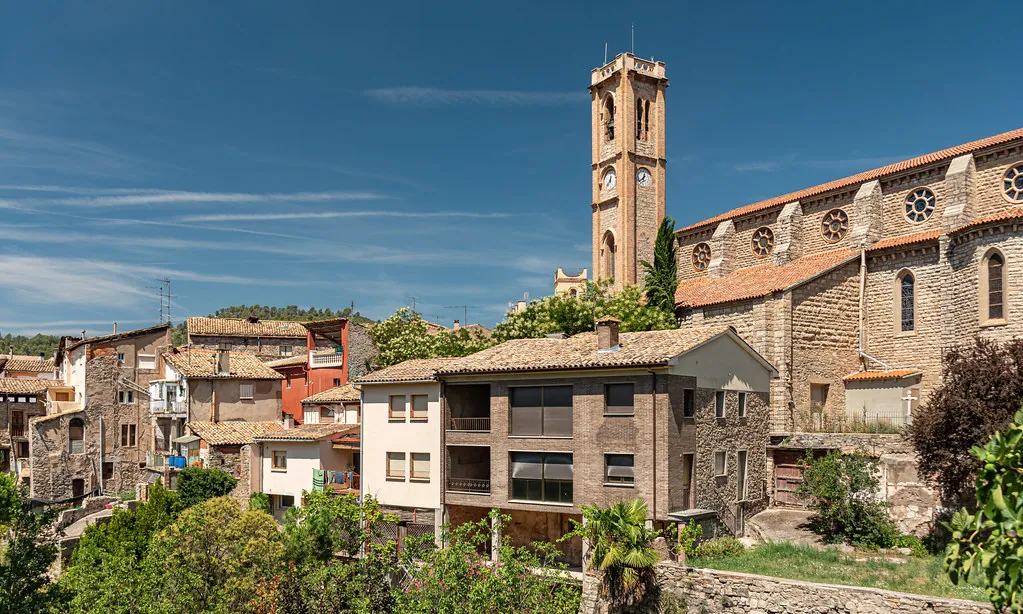
Santa Maria stands at the top of the hill, its Romanic bones dressed in later Gothic cladding. The Civil War stripped the interior—burned benches, melted bells—yet the rose window survived because someone bricked it up overnight. Restoration grants arrive in dribs and drabs; skip the inside unless you like scaffolding aesthetics, but circle the exterior at dusk when the stone glows nicotine-yellow and swifts thread through the arrow slits.

Potash, Pigeon Lofts and Other Afterlives

Behind the church, a lane signed “Museu” leads to the old primary school. The museum occupies one classroom; entry is €3, cash only, and the custodian will follow you in case you pocket a fossil. Half the display is underground: a plywood mock-up of a potash gallery, complete with hard hat that smells of other people’s hair gel. The rest is above ground: payslips, union badges, a 1975 colliery band drum. The captions are Catalan-only, but numbers are universal—€2.40 a shift, 42 ºC in the gallery, 18 km of tunnels under your feet.

Leave the museum and continue uphill another five minutes. The tarmac gives way to a dirt track that smells of fennel and wet dog. Here the potash waste tips rise like grey pyramids, now colonised by mountain bikers who descend them at suicidal angles. Locals still call the tallest one “El Muntanyeta” even though it is man-made; pine trees have taken root, and their needles soften the crunch of broken crockery that was chucked out with the spoil.

Where to Refuel Without the Hard Sell

Sallent’s restaurants do not court tourists; they court repeat trade from neighbours who know the price of beans. That keeps menus short and portions defiant. Can Xarau serves rabbit-with-snails only on Thursdays; arrive after 14:30 and it is gone. The house wine comes from a cooperative in Sant Sadurní, costs €6 a carafe, and tastes like pencil shavings—in a good way. If you prefer plant-based, ask for “samfaina” (ratatouille) on toast; they will charge €3.50 and pretend it is not on the menu.

Breakfast is more forgiving. Bar Jovi opens at 06:00 for the early shift and still offers “entrepà de tramussos”—lupin-seed sandwich, 90 ¢—a snack miners could pocket down the shaft. Pair it with a café amb llet in a glass that burns your knuckles; the waiter will refill the milk carton at your elbow without asking, like a medic topping up a drip.

Outside the Collar of Stone

The Llobregat’s riverside path is tarmacked for 4 km upstream, flat enough for wheelchairs and disobedient dogs. Kingfishers use the overhanging poplars as diving boards; if you hear a splash and see orange, it is probably not a British tourist. Beyond the tarmac, the track turns to compacted sand and enters the municipal rowing stretch where Barcelona clubs train at weekends. They arrive in stickered vans, speak mostly English, and leave again by teatime—Sallent’s briefest bilingual invasion.

For something steeper, follow the red-and-white waymarks of the Camí Vora Riu past the sewage works until the gorge narrows. Here the cliffs rise 80 m and hold Europe’s southern-most population of alpine wallflowers, tiny yellow blooms that smell of cloves when crushed. The loop to the old cable-car tower and back takes 90 minutes, gains 220 m, and deposits you at the bakery just as the afternoon ensaïmadas leave the oven.

When the Weather Turns Nasty

Summer can hit 38 ºC; the river becomes a brown slug and dogs expire on the concrete. If you visit between July and mid-September, walk early, siesta hard, re-emerge at 20:00 when the town’s water-mist sprinklers switch on along Carrer Major like a low-budget theme park. Spring and autumn behave better: 22 ºC afternoons, 12 ºC dawns, and the smell of wet clay instead of diesel.

Winter rarely freezes the river but can trap fog for days. The potash towers vanish first, then the church, then your hand in front of your face. Driving the C-16 in pea-soup conditions is not for the faint-hearted; the hard shoulder fills with locals who know every bend and still end up in the ditch. If you arrive by train (Rodalies line R5 to Manresa, then bus L210), the village emerges from the murk like a developing photograph—slow, chemical, slightly eerie.

Beds, Bills and Barking Dogs

Accommodation is thin on the ground. Apartaments Els Roures offers four flats above the pharmacy; the two front rooms get church-bell chimes on the hour, the back ones get river frogs. Weekends start at €70, weekdays drop to €50, and the owner will haggle if you stay four nights and promise to take the bins out. Dogs are welcome—expect corridor patrols at 02:00 when somebody’s terrier decides the lift shaft is an intruder.

There is no hotel, no youth hostel, no swimming pool open to non-residents. What you get instead is a functioning Catalan village that has not yet calculated its Instagram value. That means shops close between 14:00 and 17:00, cash is preferred, and the evening paseo still dictates pedestrian traffic flow. Join it: walk slowly, nod at the old women benchmarking your clothes, and try not to step on the retractable leads.

Worth the Detour?

Sallent will never compete with the Costa or the Pyrenean ski circus. It offers no postcard epiphanies, no artisan gin distilleries, no rooftop yoga. What it does offer is a calibration point for travellers who have forgotten what everyday Spain smells like when nobody is selling it back to them. Come for half a day and you will leave underwhelmed; stay three and you might find yourself bargaining for tomatoes in Catalan and planning a second visit before the first is over. Just remember to bring cash, an appetite for rabbit, and a tolerance for church bells that strike twice—once for the hour, once for the miners who no longer need to know the time.

Key Facts

Region
Cataluña
District
Bages
Coast
No
Mountain
No
Season
year-round

Official Data

Institutional records and open data (when available).

  • Cal Negret
    bic Edifici ~2 km
  • Finestra gòtica de ca la Gràcia
    bic Element arquitectònic ~3.1 km
  • Pou de glaç del Solar del Vilar
    bic Element arquitectònic ~1.2 km
  • Fortí de la Rampinya
    bic Edifici ~0.5 km
  • Parc municipal 'Pere Sallés'
    bic Zona d'interès ~0.3 km
  • La Pescadora
    bic Element arquitectònic ~0.2 km
Ver más (46)
  • El Cogulló
    bic Jaciment arqueològic
  • Roure de Cerarols
    bic Espècimen botànic
  • Casa Torres Amat
    bic Edifici
  • Casa Arau
    bic Edifici
  • Castell de Sallent
    bic Jaciment arqueològic
  • Cal Traval
    bic Edifici
  • Cal Claret
    bic Edifici
  • Casa Gran
    bic Edifici
  • Edifici de la Biblioteca Popular
    bic Edifici
  • Pont Vell
    bic Obra civil

Planning Your Visit?

Discover more villages in the Bages.

View full region →

More villages in Bages

Traveler Reviews