Full Article
about Almoster
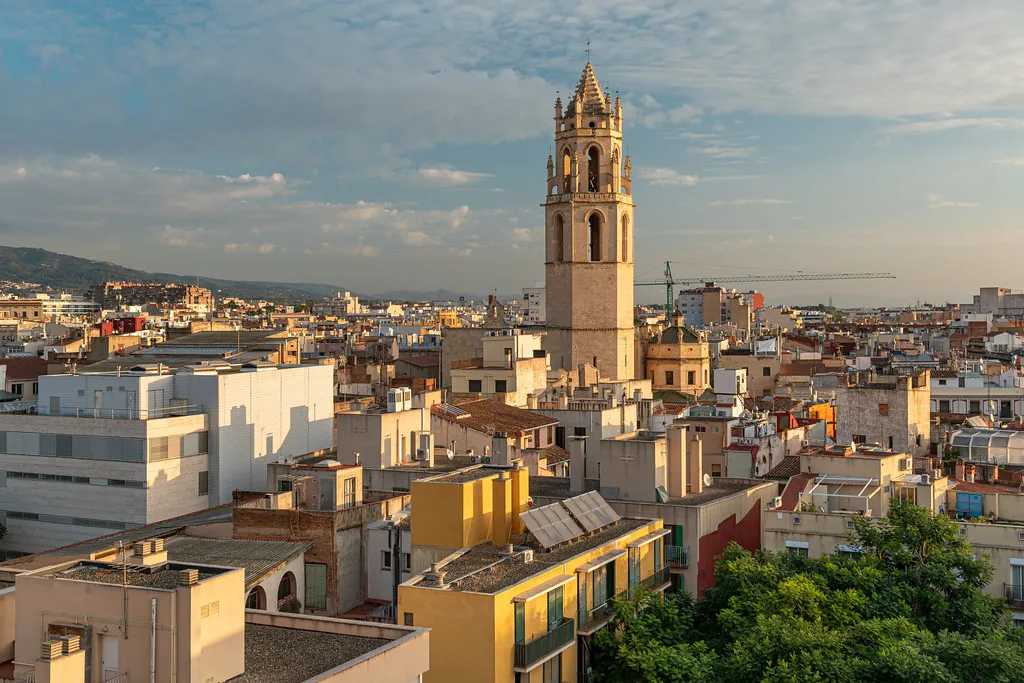
Residential town at the foot of the mountain with steep streets and views over the Camp de Tarragona
Ocultar artículo Leer artículo completo
The church bell strikes twice, yet three old men remain at the bar, cards untouched, because the dealer is telling—again—how the olive press caught fire in ’78. Nobody checks their phone; the barman keeps refilling tiny glasses of sweet vermouth without being asked. This is midday in Almoster, 290 m above the Costa Dorada, and time is a flexible local product.
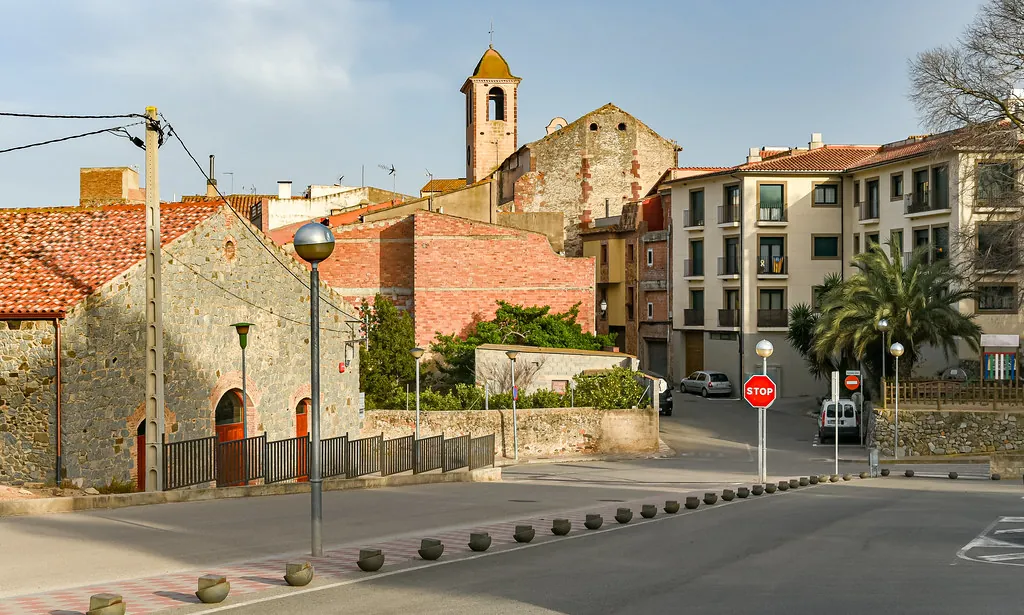
At first sight the place looks too small to bother with: one bakery, one chemist, a single cash machine that swallowed a card last month and still hasn’t been fixed. The population barely tops 1,300, and the grid of stone houses can be walked end-to-end in eight minutes. Yet the village sits squarely in the middle of everywhere you meant to visit—Reus is 13 km south, Tarragona’s Roman walls 25 km east, the jagged Prades mountains 20 km north—so it quietly collects travellers who have tired of coastal karaoke and want somewhere the nights smell of wood-smoke instead of chip oil.
Fields that pay the rent
Almoster’s fortune has always come from what surrounds it rather than what stands inside. Hazelnut groves spread north-west towards Alcover, their leaves silvering in the tramontana wind; century-old olive terraces stair-step the southern slope, each tree trunk swollen like an elephant’s ankle. Between them run the dry-stone tracks that villagers call cami vell: public footpaths maintained, largely, by whoever’s grandfather built them. A forty-five-minute loop from the church square climbs Puig d’en Cama, a low summit bristling with prickly pears; from the top you can watch afternoon thunderstorms build over Montsant while still hearing motorbikes on the A-27. The ascent is gentle enough for sandals, but carry water—shade is rationed to the width of a carob tree.
Spring brings the loudest colour change. By late March the almond blossom has blown away and the fields turn luminous green before the sun burns them straw-yellow. This is the season to come if you photograph for pleasure rather than likes: you’ll meet shepherds on mopeds and the occasional Yorkshire couple with OS maps laminated at A3 scale, but no tour buses; the single-track road into town is too narrow for coaches to turn.
Oil, nuts and other currencies
The village’s only festival that spills beyond the parish noticeboard is the Festa de l’Oli, held on the first weekend of December when the new-season oil is pronounced ready. Farmers wheel ancient stone presses into the square, and everyone queues for slices of country bread scalding from the grill, anointed with oil so fresh it stings the throat. British food writers who drive over for the day tend to leave with three-litre tin cans rattling in the boot; remember to pad them with seat belts or you’ll arrive at Girona airport reeking like a Greek tavern.
For the rest of the year eating options are limited to two bars and a restaurant housed in what used to be the school. Monday is the dead day—both bars close after 3 p.m.—so self-caterers should shop in Reus before arrival. The bakery opens at 6 a.m. and sells out of coca de recapte (aubergine-topped flatbread) by 10; the hazelnut cake keeps better and survives in rucksacks for hikes. Vegetarians fare better than on the coast—winter stews rely on beans and cardoons—but if you require oat milk in coffee, bring your own; the village shop stocks UHT dairy and tinned sardines, worldview unchanged since 1983.
Getting here, getting out
Reus airport, served from Manchester and Birmingham between April and October, is a 20-minute taxi ride (€28 fixed). Car hire desks shut for siesta 1–4 p.m.; reserve in advance or you’ll loiter among the suitcases. If you insist on public transport, bus 50 leaves Reus hourly except Sundays, when the service drops to four. The last departure back to the city is 19:15; miss it and accommodation is limited to two rental houses and a yurt encampment west of the olive cooperative. The track to the yurts is graded “driveable” by Google, yet a Fiat 500 will scrape its sump; park by the gate and walk the final 300 m unless you enjoy explaining under-carriage damage to Goldcar.
With wheels the coast is half an hour away, but Cambrils’ marina restaurants price fish by the kilo like Harrods’ food hall. Head inland instead to Siurana, where limestone cliffs attract climbers who speak German and sleep in vans; the village pub serves wheat beer and frankfurters, an accidental homage to the Reus-born architect who exported modernism to central Europe. If you crave Roman stones, Tarragona’s amphitheatre is 35 minutes south, but go early; by 11 a.m. the coach parties from Salou shuffle round the aqueduct in sun-hats printed with “Sexy Since 1987”.
When the lights go out
Almoster’s curfew is not official, just practical. Street lamps switch off at midnight even during fiesta week, and the only sound is dogs discussing territory boundaries. Bring a torch for the walk home; mobile reception is patchy enough to make ride-share apps academic. The upside is darkness thick enough to read Orion like a newspaper; on clear winter evenings you’ll see airline contrails blinking towards Bristol while the village smells of olive wood smouldering in open grates.
Stay longer than two nights and you’ll start recognising the same faces: the baker who apologises for not having change, the retired teacher who insists the English word for avellana is “avellana”, the teenager practising trombone on a wall because the house echoes too much. None of them will sell you a fridge magnet, and that is the point. Almoster offers no checklist, no audio guide, no sunset viewpoint thronged with influencers. It gives you instead the brittle hum of cicadas, the taste of oil that was olives last Tuesday, and the realisation that somewhere between Reus and the Prades the twenty-first century is still negotiable. Arrive with a full tank, an empty schedule and a sense of politeness; leave when the bell tolls twice and nobody moves.