
Full Article
about Cambrils
Gastronomic capital of the Costa Daurada with a fishing port
Hide article Read full article
Cambrils, con el olor a puerto pegado a la ropa
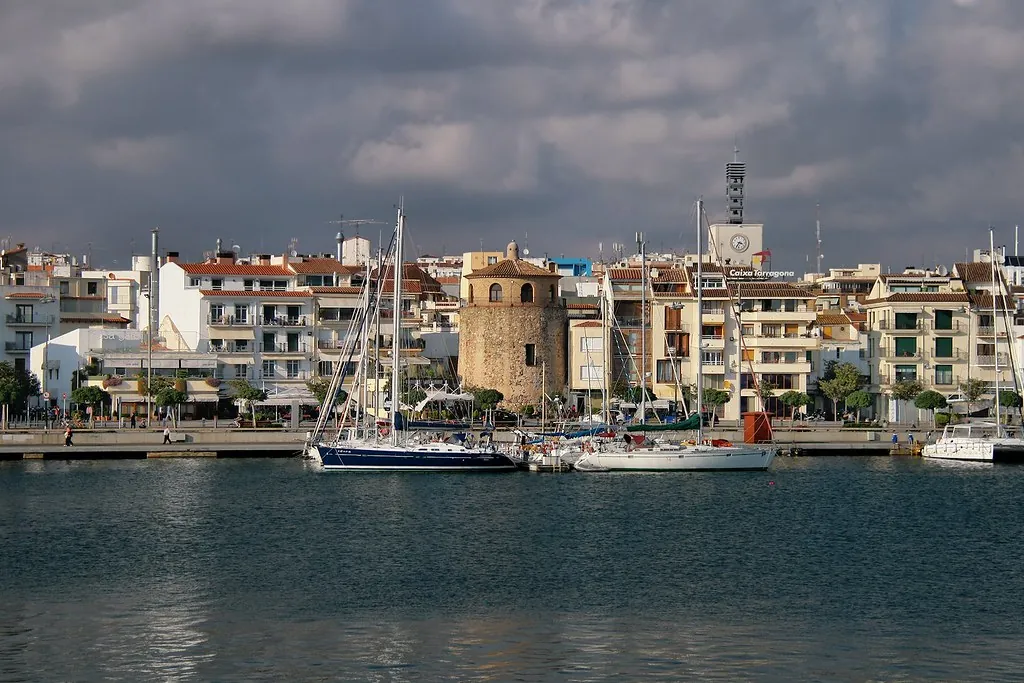
Hay sitios donde el mar es postal. En Cambrils huele a gasoil, a red mojada y a pescado que acaba de llegar a lonja. Si te acercas al muelle por la mañana, lo pillas al momento: esto no es el decorado pulido. Es el olor de un puerto que sigue trabajando.
Eso le da el tono al pueblo. El ritmo lo marca la pesca, no el turista. Se nota en las calles cerca del agua, en las conversaciones y en ese trajín de neveras y cajas que no para.
Un casco antiguo que le da la espalda al mar
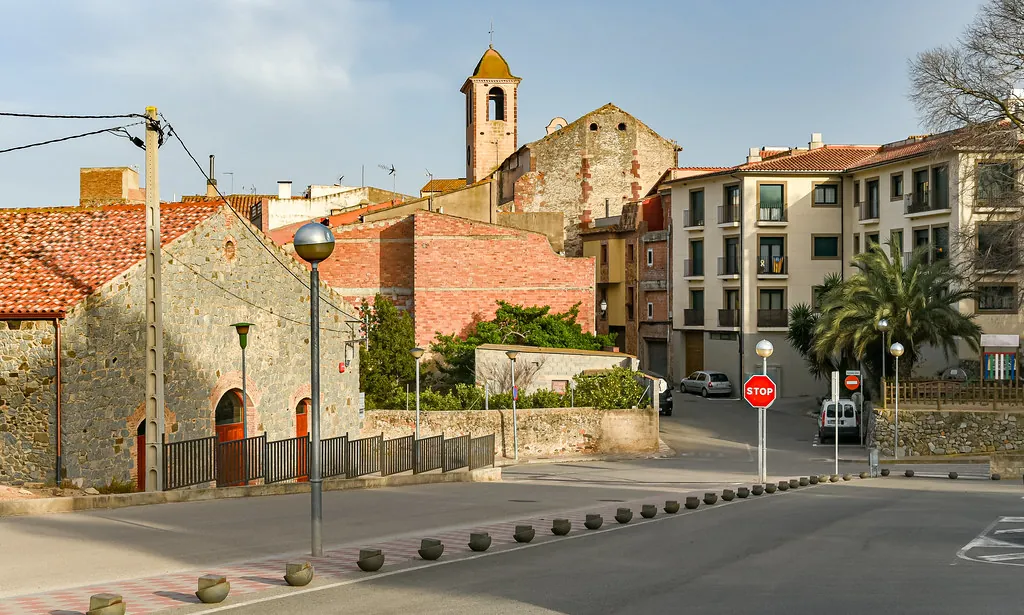
Resulta curioso: Cambrils no nació junto al agua. Su centro histórico está tierra adentro, como si los primeros en vivir aquí desconfiaran del Mediterráneo. Durante siglos, la costa traía más peligro que provecho, así que se asentaron donde se sentían más seguros.
El barrio viejo guarda esa decisión. Calles como la de Lloberas, que los del lugar llaman “la calle de las flores” por las macetas colgadas, tienen fachadas con años tallados en la piedra. Las puertas son bajas, los muros gruesos. Hablan de una vida más hacia dentro, pendiente de quién pasaba fuera.
En la plaza de la iglesia hay una puerta metálica que baja a un túnel. Es un refugio antiaéreo de la guerra. Ahora se usa para cosas mucho más tranquilas, pero las paredes apretadas y ese aire bajo tierra se mantienen. No cuesta nada imaginar para qué se hizo.
Torres para vigilar, no para decorar
Las torres que hay por Cambrils nunca fueron un adorno. Formaban parte de un sistema para avisar.
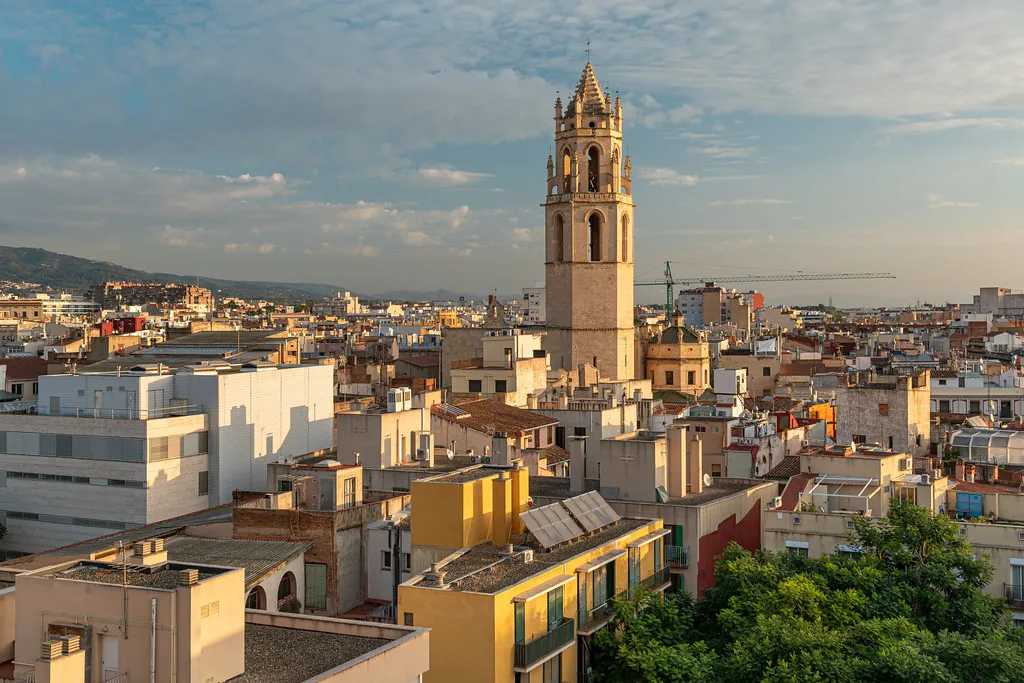
La Torre del Puerto controlaba lo que venía por mar. Desde arriba se entiende mejor el pueblo: el núcleo antiguo retirado, el barrio pesquero junto al agua, y entre medias una franja que se fue llenando de casas.
La Torre de l’Ermita vigilaba más los caminos de tierra. Y luego está la Torre del Bou, que hasta hizo un tiempo de cárcel municipal. La idea de pasar una noche ahí dentro, con el mar cerca pero inalcanzable, da qué pensar.
El molino y el peso del trabajo diario
La pesca es solo una parte. El Molí de les Tres Eres habla de otra actividad con historia: el cereal.
Durante siglos, el grano fue parte de la economía local. El edificio conserva buena parte de su estructura original, con madera, piedra y mecanismos sencillos. Ahora es un espacio dedicado a la historia del pueblo, pero quedan rastros del oficio. Aún parece notarse en el aire ese polvillo viejo de harina.
Lugares así te recuerdan cómo procesos básicos marcaban la vida diaria. La harina no era algo abstracto; dependía del esfuerzo físico y una tecnología simple.
Parque Samà: un jardín inesperado
A poca distancia del núcleo urbano, el Parque Samà parece fuera de lugar en esta costa. Es un jardín histórico creado por un indiano que hizo fortuna en Cuba y volvió con ganas de montarse su propio paisaje.
El resultado mezcla palmeras, lagos artificiales y estructuras un poco teatrales. Hay una torre con un aire casi cinematográfico y una cascada de piedra que rompe con la imagen habitual del litoral mediterráneo. Cuentan que en el diseño participaron arquitectos ligados al modernismo barcelonés.
Nada aquí casa con el carácter trabajador del puerto cercano, y ese contraste es justo lo que tiene gracia.
Comer aquí: arroz, suquet y moscatel
La comida en Cambrils va muy ligada al día a día, no a la exhibición. Los arroces son cosa cotidiana. Está el arroz negro teñido con tinta de calamar, la fideuá hecha con fideos cortos y el suquet de pescado servido en cazuela de barro.
Estos platos empezaron como comida práctica en las barcas: lo que salía en las redes, unas patatas y un sofrito con fondo. El contexto explica los sabores. El suquet, por ejemplo, nació para aprovechar el pescado que no se vendía bien en subasta. Hoy sigue siendo eso mismo: ingredientes sencillos con mucho gusto.
De postre suele aparecer el moscatel local servido en vasito dulcero . Es dulce pero no empalagoso; va más para alargar la conversación que para terminar rápido.
A lo largo del año siguen marcando el calendario fiestas ligadas al mar y a la pesca . Hay procesiones marineras , comidas comunitarias y ferias donde se mezclan puestos callejeros con tradiciones locales . Cuando toca alguna , cambia completamente el ritmo del puerto .
Cómo leer Cambrils dando un paseo
Una caminata sencilla ayuda a entenderlo . Empieza en el puerto , sigue por todo el paseo marítimo sin prisa . Llegarás hasta la zona donde está La Llosa , los restos arqueológicos romanos . Sirven para recordar cuánto tiempo lleva habitada esta línea costera .
Desde allí , gira hacia dentro , hacia el casco antiguo , pasando por el molino hasta terminar en plaza mayor . No es un recorrido pensado para tachar monumentos . Es una forma ver cómo encajan barrio pesquero , pueblo viejo y vida cotidiana .
El terreno es prácticamente llano , así moverse andando resulta fácil . Las distancias son llevaderas ; caminando notas mejor cómo cambia cada parte Cambrils