Full Article
about Castellvell del Camp
Residential municipality on a hill with the Santa Anna chapel overlooking the Camp de Tarragona.
Hide article Read full article
A Village That Grew Beside a City
Castellvell del Camp is the sort of place that functions quietly in the background. It does not dominate guidebooks and it is rarely described as a headline destination. Yet it has been there for centuries, close to Reus and facing the hills, doing what it has always done.
Its name appears in medieval documents as Castro Vetus, Latin for “old castle”. For a long time, Castellvell was closely linked to nearby Reus. The relationship has shaped its history. For centuries it was a small settlement along the route that connected Reus with the coast. People passed through, carts stopped, daily life unfolded around that movement. Over time, a permanent population took root.
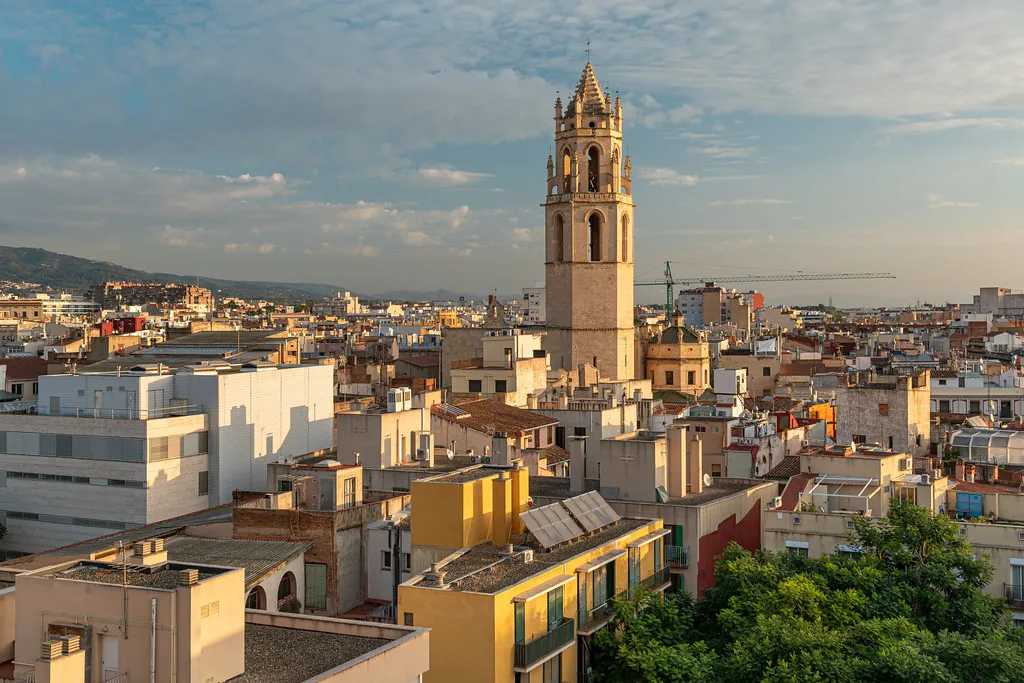
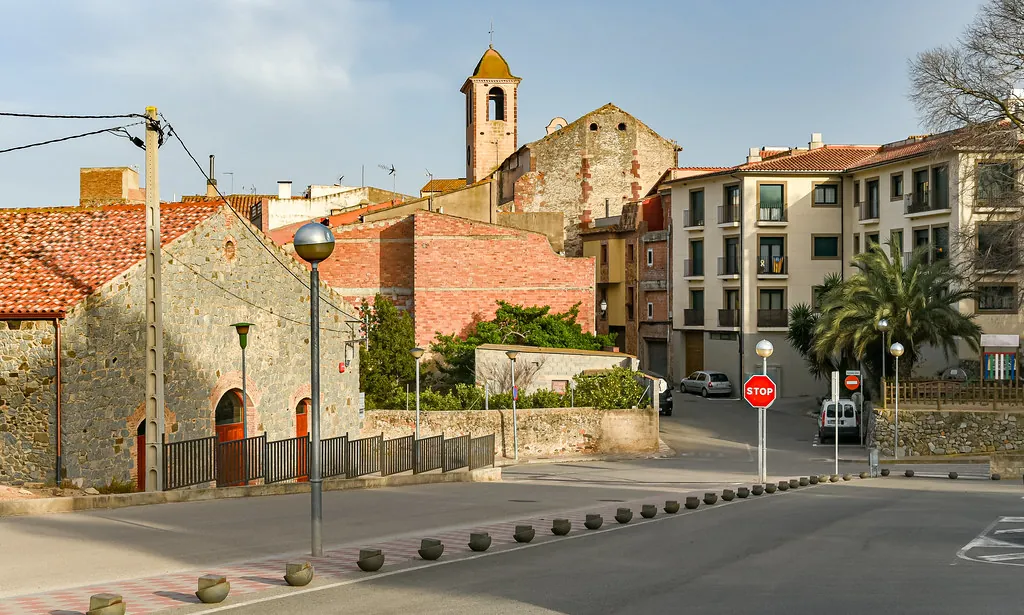
Today around 3,000 people live here. Castellvell functions much like other towns that sit next to a larger urban centre. It is residential, relatively calm and very much tied to local rhythms. There are no major monuments that justify travelling across the country, but there is a clear sense of place that reflects the wider Baix Camp area.
The Church and the Vanished Castle
The parish church of Sant Pere Apòstol is the building with the strongest presence in the village. It was constructed in the 18th century, at a time when Castellvell was beginning to assert a more defined identity of its own.
Inside, there are Baroque elements as well as an older Marian image that predates the church itself. The building anchors the centre of the village, both physically and symbolically.
There is an interesting twist to the story of Castellvell. The name refers to a castle, yet no clear remains of that castle survive. It is believed to have stood in the area where the church now rises, or somewhere close by. This is one of those places where the name has outlived the stone, a reminder of a structure that has long since disappeared.
From Streets to Pine Forest in Minutes
One of the reasons many people from Reus come up to Castellvell is the immediate access to walking routes. Within a few minutes, residential streets give way to paths that thread through pine trees.
Several marked trails run through the area. One of the most popular options is a short circular route that passes old masos, traditional Catalan farmhouses, and cultivated fields. It is not a demanding hike. It is the kind of walk that takes around an hour and a half, with plenty of pauses to talk and take in the landscape of the Camp de Tarragona.
Venturing further towards the Serra de la Creu, the paths become longer and the terrain stretches out. Natural viewpoints begin to appear. From some of these spots, the plain of the Camp is clearly visible, with Reus below and the Mediterranean in the distance on clear days. The contrast between the built-up area and the open landscape is part of the appeal. The shift from town to hillside happens quickly, without the need for long journeys or complex planning.
Castellvell’s setting explains much about its character. It stands between cultivated land and rising ground, with everyday life unfolding against a backdrop of low mountains.
Traditional Flavours of the Baix Camp
Food in Castellvell reflects the cooking of the Baix Camp region. It is straightforward and rooted in local produce, especially vegetables and oven-baked dishes.
One of the most typical specialities is coca de recapte. This is a flatbread base topped with roasted vegetables such as red pepper and aubergine, sometimes accompanied by cured sausage. It looks simple at first glance, yet it tends to disappear quickly once placed on the table.
Aniseed doughnuts, known locally as rosquillos de anís, are also common. They often appear at the end of a meal, served with coffee and conversation.
When meat is on the menu, lamb is frequently prepared with herbs from the surrounding area. This style of cooking is typical in many households across the inland parts of the Camp. The flavours are direct and tied to the landscape, shaped by what grows nearby rather than by elaborate techniques.
Festivals Rooted in Parish and Tradition
As in many towns in the comarca, the calendar in Castellvell revolves largely around the parish and long-established customs.
The main festival takes place around Sant Pere, at the end of June. Events are held in the square, with music and activities that bring together long-time residents and those who have moved here more recently. It is a moment when the village becomes more animated, yet it remains very much a local celebration.
There is also usually a romería, a traditional pilgrimage, to the hermitage of Sant Isidre in the upper part of the municipal area. On that day, a large part of the village heads out along the same path, carrying food in backpacks. The walk itself is part of the experience, as much social as religious.
These occasions reveal how Castellvell balances continuity and change. Newer residents share the same public spaces and festivities as families who have been here for generations.
A Short Detour with a Clear Sense of Place
Castellvell del Camp is not a destination for a long, standalone holiday. Its scale and character make more sense in the context of the surrounding area. For those staying in Reus or travelling through the Baix Camp, it is an easy detour that adds perspective.
The village shows how people live on the edge of a small city in this part of Catalonia. Low houses line the streets. Walking paths begin almost at the doorstep. Neighbours greet each other in passing.
A simple plan works best. Spend the morning exploring the paths that climb towards the Serra de la Creu, pause at one of the natural viewpoints, then head back down towards Reus. In a few hours, a clear impression of Castellvell del Camp begins to form.
It is a place defined less by landmarks and more by its setting and everyday life. Sometimes that is reason enough to make the short journey uphill.