Full Article
about Colldejou
Village at the foot of the Mola de Colldejou
Ocultar artículo Leer artículo completo
The 431-Metre Reality Check
Colldejou sits at exactly 431 metres above sea level, which doesn't sound particularly impressive until you're standing in the village square, looking up at La Mola's limestone crown rising another 500 metres above the rooftops. The mountain dominates everything here—its shadow stretches across the stone houses by mid-afternoon, and locals time their activities by how much shade it throws.
This isn't one of those Catalan mountain villages where coaches disgorge tourists for quick photo opportunities. From Tarragona, you'll drive twenty minutes inland from the Costa Dorada's beach resorts, watching the landscape shift from coastal flats to proper mountain terrain. The road narrows, climbs, and suddenly you're in a place where the rhythm of life still follows agricultural cycles rather than tourist seasons.
Walking Into the Landscape
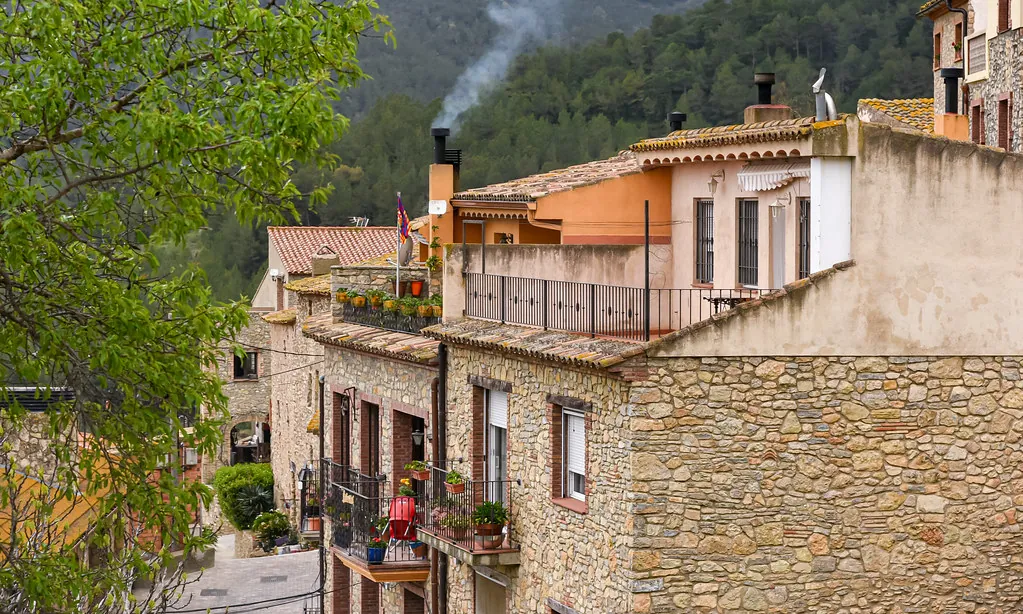
The village itself takes twenty minutes to explore thoroughly. Stone houses with terracotta roofs cluster around the modest church of Sant Bartomeu, their walls absorbing the heat during summer days and releasing it slowly through cool evenings. Windows are small, shutters are functional rather than decorative, and the few streets that exist were designed for mules, not cars.
What makes Colldejou worth the detour is what lies beyond these buildings. The Serra de Llaberia stretches in all directions, a Mediterranean forest of Aleppo pines and holm oaks threaded with footpaths that have connected scattered settlements for centuries. The most straightforward route heads directly up La Mola—three kilometres of steady climbing that transforms from gentle path to proper scramble in the final section.
British walkers who've tackled the Lake District or Scottish Highlands will find the terrain familiar but the climate different. Summer temperatures regularly hit thirty degrees by eleven o'clock, and shade is sporadic. The compensation comes at the summit: a 360-degree panorama that takes in the Mediterranean glittering on the horizon, the Priorat's terraced vineyards to the north, and on exceptionally clear days, the Pyrenees showing their teeth in the distance.
When the Wind Howls
Here's where guidebooks get honest about Colldejou's main attraction. La Mola's exposed position makes it spectacular for views but potentially dangerous in high winds. When gusts exceed forty kilometres per hour—common during spring and autumn—the summit becomes genuinely unpleasant. Several walkers report being knocked off balance, and on particularly blustery days, the local hiking club advises staying below the final rocky outcrop.
The mountain creates its own microclimate. Morning mist often pools in the valleys below, giving photographers those atmospheric shots that make the climb worthwhile. By midday, thermals rising from the heated rocks can create sudden wind shifts that catch unprepared walkers off-guard. The lesson? Check Windy or AEMET apps before setting out, and don't trust calm conditions at village level to last at altitude.
The Food Question
Let's address the elephant in the room: Colldejou's culinary scene is practically non-existent. The single bar-restaurant operates on hours that seem capricious to British visitors—closed Mondays and Tuesdays outside peak season, open randomly for lunch, and don't even think about evening meals unless you've booked ahead. When it's open, expect basic tapas and Catalan country cooking rather than sophisticated mountain cuisine.
This isn't necessarily a problem. Ten minutes drive towards the coast brings you to Pratdip, where family restaurants serve proper lunches for €12-15 including wine. The regional specialities reflect mountain cooking's heartier traditions: grilled lamb cutlets that taste milder than their British equivalents, stews based on local chickpeas, and during February through April, calçotadas where groups gather to eat vast quantities of grilled spring onions dipped in romesco sauce.
Local almond cake, pa d'ametlla, provides the perfect walking fuel—moist, naturally gluten-free, and packed with calories for the climb back to the village. Pair it with vermouth from nearby Reus, served over ice with an orange slice, and you've got the essential Colldejou refreshment combination.
Practicalities Without the Sugar-Coating
Reaching Colldejou requires a car. Public transport stops at Pratdip, four kilometres away, and taxis from Tarragona or Reus airports will set you back €60-80 each way. Hire cars work out cheaper for stays longer than three days, plus you'll need wheels to reach restaurants and alternative walking routes.
Parking in the village is free and usually straightforward, even during August when Spanish families escape the coastal heat. The accommodation situation is limited—think rural apartments rather than boutique hotels, with prices around €70-90 per night for two people. Book ahead for Easter weekend and August, otherwise you'll find space.
Bring cash. The village bar's card machine works intermittently, and the nearest ATM is back down the mountain in Pratdip. Essential kit for La Mola includes proper walking boots (the final scramble is slippery), at least a litre of water per person, and windproof layers regardless of season.
The Honest Verdict
Colldejou won't suit everyone. If you need constant stimulation, varied dining options, or nightlife beyond watching the sun set behind La Mola, stick to the coast. The village functions best as a walking base for reasonably fit visitors who appreciate solitude and don't mind self-catering when the local restaurant's closed.
But for those happy to trade convenience for authenticity, Colldejou delivers something increasingly rare on the Mediterranean coast: a mountain community where tourism remains incidental rather than essential. The views from La Mola genuinely rival anything in the region, the forest paths offer hours of solitary walking, and the evening silence—broken only by church bells and the occasional dog barking—is absolute.
Just remember to check that wind forecast before you climb.