Full Article
about L'Argentera
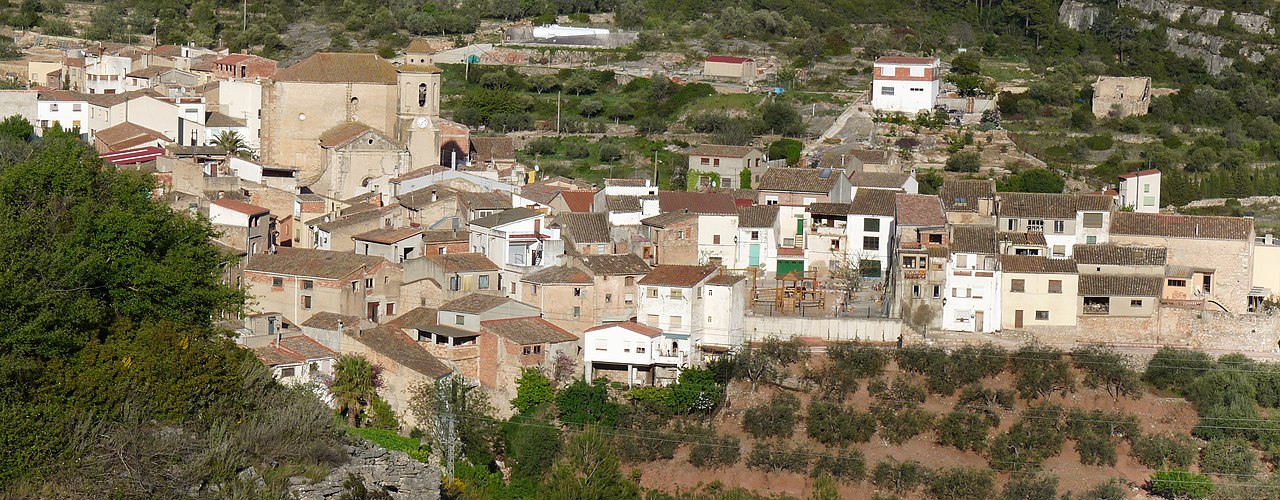
Picturesque village surrounded by forests, gateway to Escornalbou castle, with cobbled streets and flowers.
Hide article Read full article
L'Argentera: El Pueblo que no Quiere ser Bonito
Un amigo de Reus me lo dijo hace años, casi como un secreto mal guardado: "Si quieres ver un pueblo que se ha quedado en los años 70, ve a L'Argentera. No hay nada". Claro, fui. Y volví. Y ahora voy cada vez que necesito recordar cómo suena el silencio de verdad. Con 139 habitantes y colgado a 344 metros en el Baix Camp, este no es el típico pueblo restaurado para fotos de Instagram. Es más bien ese sitio al que vas cuando estás cansado de los sitios a los que va todo el mundo.
La Vida en una Cuadrícula de Piedra
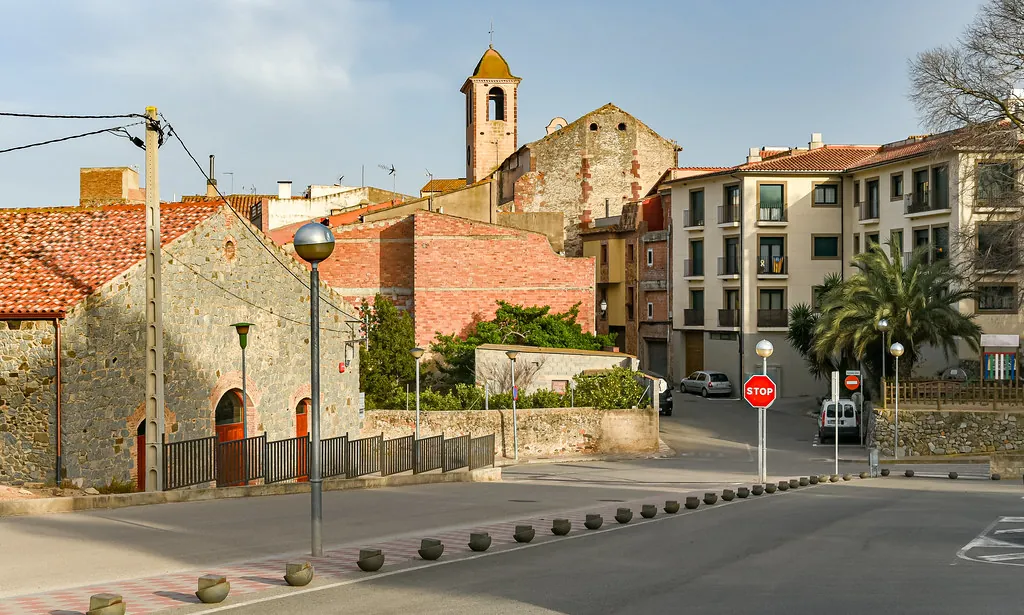
L'Argentera tiene la planta de un campamento romano, calles rectas que se cruzan en ángulo recto. No es pintoresco; es funcional. Aquí el sonido ambiente lo ponen las cabras en la lejanía, el golpe de una persiana a las tres de la tarde y la furgoneta del pan que para diez minutos y se va. El ritmo es el suyo, no el tuyo. La tienda abre cuando puede, y el único bar es ese tipo de lugar donde entras y todas las conversaciones paran medio segundo.
La gente habla catalán, pero cambian al castellano con naturalidad cuando te ven llegar. Un "bon dia" al entrar a cualquier sitio abre más puertas que cualquier guía.
Lo Que Hay Que Ver (Que no es Mucho, Pero Basta)
El imán de la zona es el Castillo de Escornalbou. Está a un par de kilómetros por una carretera serpenteante, y merece la pena por las vistas solas. Es esa mezcla rara: parte monasterio cisterciense del siglo XII, parte capricho modernista de un coleccionista del siglo XX. Puedes perderte por sus jardines y terrazas, con el Mediterráneo al fondo si el día está claro. Lleva calzado cómodo para las cuestas.
En el pueblo, la Iglesia de San Bartolomé tiene una portada gótica sobria y bonita. Suele estar cerrada fuera del horario de misa, pero si preguntas con educación en el bar, a veces alguien tiene llave.
Lo más curioso es el túnel del ferrocarril viejo que atraviesa literalmente una parte del pueblo. Era parte de una línea que ya no existe. Puedes caminar por dentro; lleva algo de luz en el móvil porque está oscuro y el suelo es irregular. No es una atracción, es solo un pedazo de historia industrial abandonado que da un toque raro al paseo.
Comer y Beber: Plan B (de Bocadillo)
Vamos a ser claros: no vengas por la gastronomía. Vienes a pesar de ella. Hay un bar. Punto. Sirven tapas básicas, una tortilla decente y vino del país que cumple su función. La escalivada suele ser acertada.
Para comer de verdad hay que bajar en coche a Riudoms (10 minutos) o Reus (20 minutos). Mi estrategia siempre es la misma: hago mercado en Reus (el aceite y los embutidos son brutales), lleno la nevera del alquiler rural y me preparo cenas sencillas en la terraza. Acabas comiendo mejor, más barato y con unas vistas que ningún restaurante tiene.
Cómo Llegar y no Morir en el Intento
Olvídate del transporte público. Para venir aquí necesitas coche sí o sí. Las carreteras desde Salou o Cambrils son sinuosas pero están bien asfaltadas; alquila algo pequeño porque aparcar entre estas calles estrechas ya es otro deporte.
Desde Barcelona se tarda hora y media; desde Valencia, unas dos horas.
Dormir aquí es fácil… si planificas. Hay unas pocas casas rurales, casi todas en edificios de piedra rehabilitados sin perder el carácter viejo. Una tiene una terraza con vistas a todo el valle—esa es la que busco siempre—y se reserva con meses de antelación para primavera.
Cuándo ir: De marzo a mayo está genial: días templados, noches frescas y los campos verdes. El verano puede ser un horno. El otoño es bonito pero impredecible. En invierno hay paz absoluta, pero media comarca parece cerrada por vacaciones.
Lleva siempre calzado para andar por piedra, una chaqueta aunque haga calor (por las noches refresca) y paciencia.
Verdad Incómoda
L'Argentera puede aburrirte soberanamente si buscas acción. No hay tiendas mono, ni talleres artesanales visibles, ni carteles explicativos. Es un pueblo donde la vida transcurre ajena al turismo. Pero si lo que necesitas es parar—de verdad—y pasear por calles donde lo más exótico es ver tender la ropa en un balcón de hierro forjado… entonces ya tienes motivo. Yo siempre me voy con una mezcla rara: aliviado por haber desconectado, y un poco triste por tener que volver al ruido