Full Article
about La Selva del Camp
Town with a rich medieval and Renaissance heritage at the foot of the mountain
Ocultar artículo Leer artículo completo
The church bells strike two and La Selva del Camp simply stops. Shop shutters slam, the bakery queue evaporates, and even the dogs seem to understand that noise is bad form until four. In that two-hour vacuum you can stand in the middle of the Plaça Major and hear nothing louder than a cyclist clicking past the 18th-century arcades. It's the sort of silence British market towns lost sometime around 1987.
At 246 m above the coastal plain, the village surveys almond terraces and olive groves that fade west into the forested Prades hills. Tarragona's condominium blocks glint 20 km away, but up here the air smells of pine resin and wood-fired calçots rather than sunscreen and chips. The arrangement suits plenty of visitors: stay inland where hotel doubles still cost €65, then duck down to the beach or PortAventura for the day before escaping the neon again at dusk.
A grid that grew around gates and grain
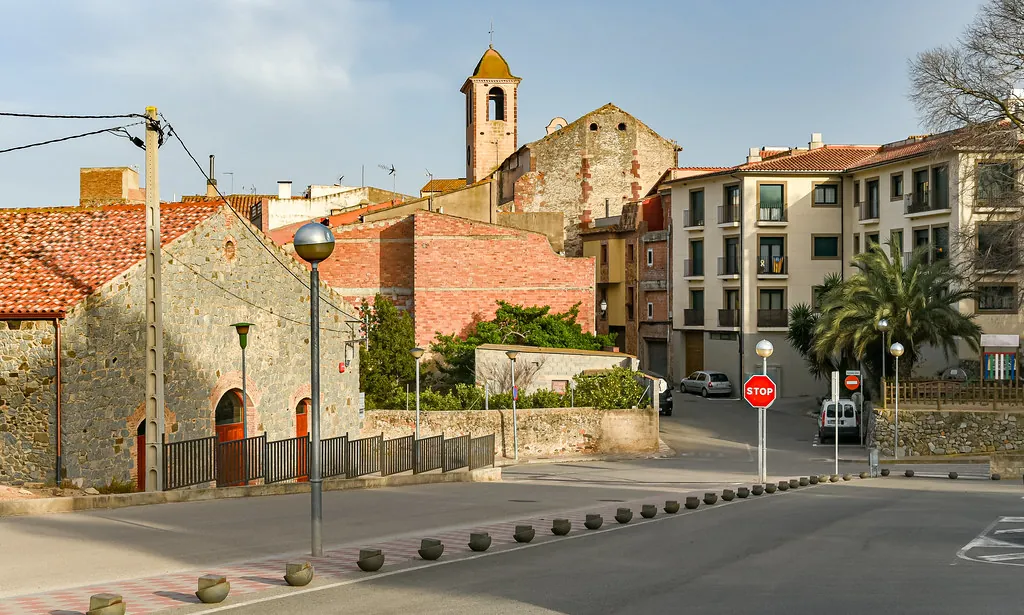
La Selva's medieval builders drew a tight rectangle of walls and then squeezed everything else inside. Two stone portals survive; the better-looking one, Portal de Sant Antoni, now frames a children's playground instead of armed guards. Walk through and the streets narrow to shoulder-width passages that open suddenly into pocket squares. House colours run from ox-blood to mustard, with the occasional bottle-green balcony that feels more French Riviera than rural Catalonia.
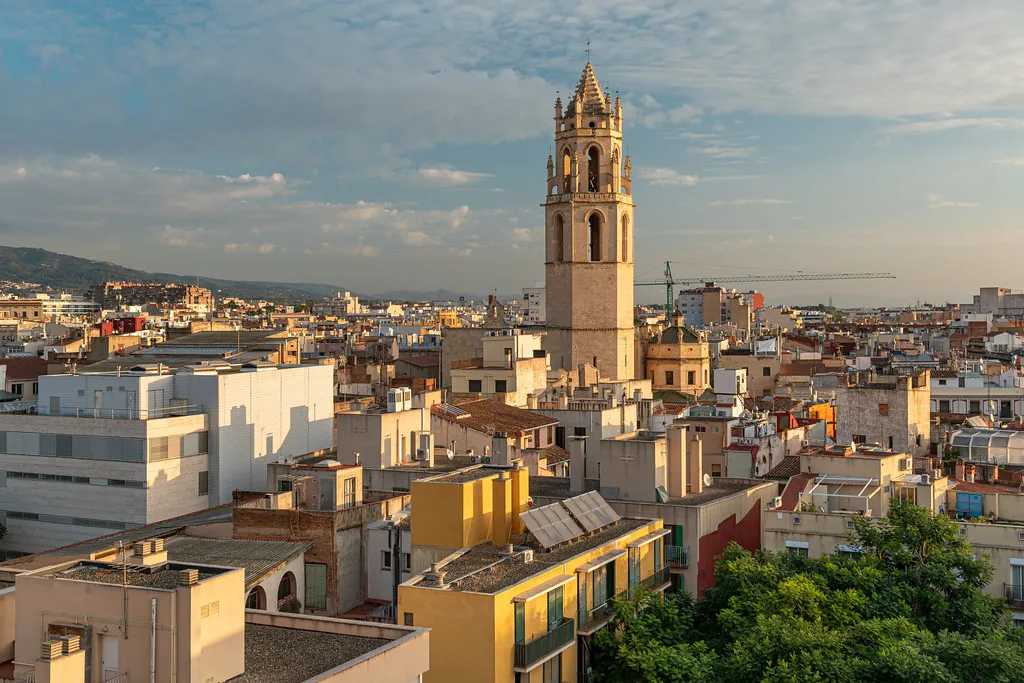
The parish church of Sant Llorenç dominates the skyline like a raised eyebrow. Rebuilt after a 16th-century fire, its single broad nave is painted the pale grey favoured by the Augustinian monks who once ran the place. Inside, the gilded high altar is impressive enough, but the real curiosity is a side chapel whose floor sits half a metre lower than the rest – a reminder that the whole structure was once the village's defensive keep. English Heritage would charge £14.50 for this; here you drop 50 c into a box and hope someone remembers to lock up.
Market morning, when the village remembers it's alive
Friday is performance day. Stallholders roll into the Plaça Major at seven, string up canvas awnings, and by nine the square is a patchwork of tomatoes, braided garlic and cheese that still smells of the goat. British accents occasionally surface – usually walkers asking whether the bright-green olives are for eating or martini duty – but most shoppers greet the vendor by name and depart with change counted aloud in Catalan. Prices are written on scraps of cardboard; expect to pay €3 for a quarter-kilo of local almonds and €12 for a bottle of DO Tarragona red that would retail in London for £22.
If you miss Friday, the indoor market on Carrer de la Creu keeps weekday hours: 7 am till 2 pm, reopening at 5 pm precisely. Try the fuet (thin cured sausage) sliced to order – milder than chorizo, easier to smuggle through customs, and the woman behind the counter will trim the stringy end for free.
Pedal, walk, then pedal again
The flat agricultural belt south of the village is stitched together by farm tracks so quiet you can hear a chain slip. Rent a hybrid at Bike Camp (C/ Lleida, €18 a day) and you can coast to the ruined Cistercian monastery of Santes Creus in 90 minutes, coffee stop included. Turn north instead and the Prades foothills start almost immediately; the road to Vilaplana climbs 400 m in 6 km, which is enough to make even fit thighs question second helpings of pa amb tomàquet.
Several waymarked footpaths leave from the old railway station, now a tidy if underfunded interpretation centre. The 8 km loop to Mas de l'Aranyó passes stone huts, charcoal pits and a couple of vertigo-inducing viewpoints over the Camp de Tarragona plain. Boots are advisable after rain – the clay sticks to soles like half-set concrete – and carry more water than you think necessary; village fountains shut off without warning in summer.
Food that refuses to hurry
Lunch starts at 1.30 sharp and stretches until the siesta siren sounds. Restaurant Selva keeps the old-school formula: three courses, carafe of wine, and a bill that rarely tops €14. Their fideuà – short pasta cooked like paella – arrives in the pan, topped with alioli you mix in until the whole thing resembles a very garlicky risotto. Vegetarians aren't an afterthought: Can Xiu on Carrer Major does a roast-aubergine coca that tastes like pizza's rustic cousin, and they'll swap the bacon in the escalivada for grilled peppers if you ask nicely.
Evenings are quieter. One bar, La Selvana, stays open past midnight on Fridays, pouring local vermouth on tap for €2 a glass. It resembles flat Martini Rosso with the sugar dialled down; order it "amb sifó" and you'll get a fizzy long drink that knocks seaside lager into a cocked hat. Bring cash – the card machine is famously temperamental and the nearest ATM closes at 10 pm.
Getting here, getting out, getting stuck
Reus airport, 25 minutes away by taxi, is served from eight UK cities between March and October. Pre-book transfers or haggle hard; the official fare is €35 but drivers routinely ask £60 after 10 pm. A hire car makes more sense: £90 for a long weekend with Centauro, and petrol is currently €1.55 a litre. Roads are empty enough that you can be parking beneath Tarragona's Roman walls in 20 minutes, or beside the beach at Cambrils in 25 – provided you avoid the Sunday evening crawl when every Catalan in the province heads home at once.
Trains exist but require patience. Two daily Regionals trundle to Tarragona in 35 minutes; from there it's another 15 minutes on the coastal Rodalies to Salou if theme-park adrenaline calls. Miss the 19.07 and you're stranded until after nine the next morning.
The honest verdict
La Selva del Camp will never tick the "Instagram wow" box. The castle is a grassy mound, the nightlife finishes before Newsnight starts, and Monday visitors will find more closed doors than open ones. What it does offer is a working village that happens to have rooms, coffee and a front-row seat on everyday Catalan life. Come for the silence between two and four, stay for the Friday market, and if you need sand or roller-coasters the coast is close enough to dip into – and, crucially, leave behind when the sun sets.