Full Article
about Les Borges del Camp
Gateway to the Prades mountains with a landmark lookout hermitage over the Camp
Ocultar artículo Leer artículo completo
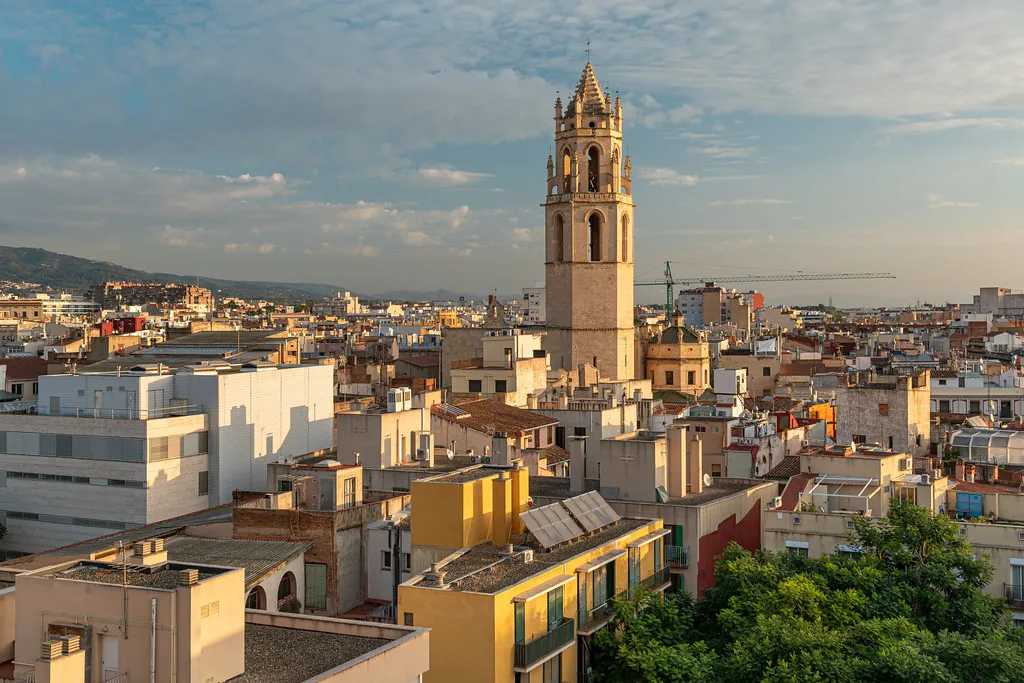
The church bell strikes noon and the only other sound is a tractor reversing into the cooperative olive press. This is Les Borges del Camp at midday, a village of 2,194 souls where the bread van still does its rounds and the mayor's phone number is pinned to the noticeboard outside the ajuntament. Twenty kilometres inland from Tarragona's sandy strips, it sits at 238 metres above sea level – high enough to catch the breeze that carries the scent of almonds and hot pine from the neighbouring hills, low enough that the Mediterranean glints silver on the horizon when the tramuntana wind scrubs the sky clean.
A village that works for its living
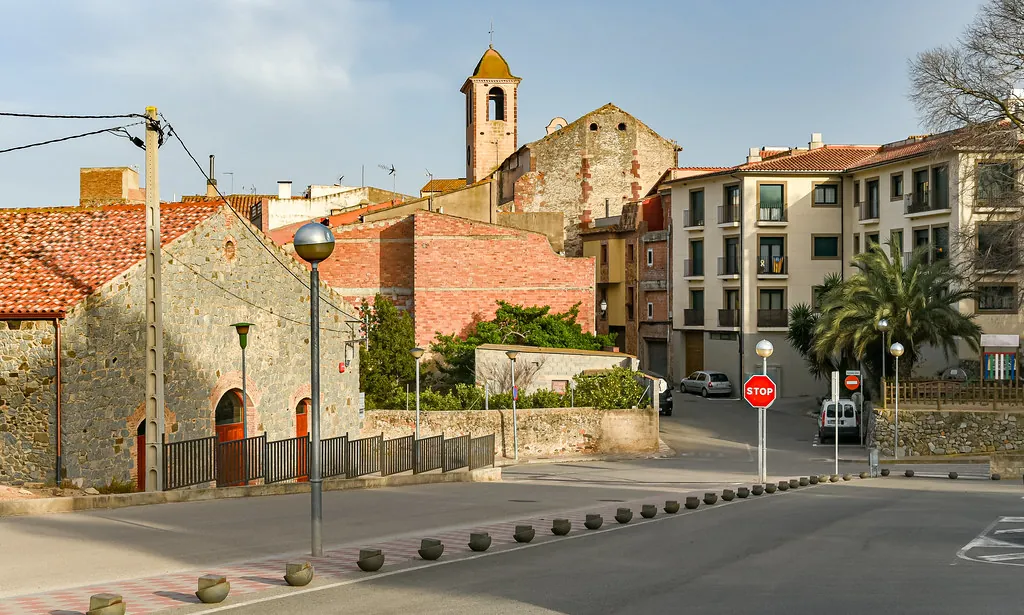
There is no postcard promenade here, no gift shop selling fridge magnets. The high street is a practical affair: a chemist, two bakeries, a bar that opens at six for the farmers' breakfast of coffee and cognac, and a Friday market that colonises Plaça Major with tarpaulin stalls piled high of tomatoes still warm from the field. The stone houses lean slightly towards one another, their ground floors once stables, now garages for Fiat Pandas and the occasional quad bike. Washing hangs from first-floor balconies; someone is always watering geraniums.
Agriculture is not backdrop – it is the morning conversation. In October the talk is of olive yield per tree; in January it switches to pruning angles. The cooperative on the edge of town processes fruit from 400 local growers and will sell you a five-litre jug of extra-virgin for €22 if you ask at the side door before ten. The oil is peppery, green, nothing like the supermarket blends shipped north to fill British kitchen cupboards.
Walking boots and cycle tyres
Les Borges makes a quiet base for poking about Baix Camp. A lattice of farm tracks radiates into hazelnut groves and carob plantations; the GR-92 long-distance footpath skirts the village boundary if you fancy a longer haul towards the Prades mountains. None of the routes are spectacular – expect gentle gradients, stone walls scribbled with lichen, the odd ruinous lime kiln – but they are empty even at Easter. Cyclists appreciate the almost traffic-free roll to neighbouring Alforja, where the road rises just enough to earn a view that stretches from the Ebro delta to the jagged ridge of Montsant.
If you need grander scenery, the Priorat wine country begins twenty minutes west by car. Drive slowly: the road twists like a dropped ribbon and the cliffs are unforgiving. Closer still, the Roman aqueduct at Les Ferreres near Tarragona makes a decent half-day outing, though you will share it with coach parties from Salou.
What to eat and when to eat it
Catalan lunchtime rules apply. Kitchens close at 15:30 and do not reopen until eight, so plan accordingly. The single restaurant on Carrer Major serves a fixed-price menu for €14 mid-week: pa amb tomàquet, then rabbit with rosemary, finally the local almond cake, carquinyols, that arrives already dunked in coffee for authenticity's sake. Vegetarians get escalivada – smoky aubergine and peppers that taste of firewood – and no one minds if you order two portions instead of meat.
Evening options are limited. The bar on the square grills sardines on Thursday nights when the fishing boats return to Cambrils; they are served with nothing more than lemon wedges and a glass of Priorat that stains the glass purple. If you want cocktails or music, Reus is fifteen minutes away. Accept the village rhythm: a coffee, a stroll, an early night broken only by the dogs discussing the day's events.
Fiestas and other interruptions
Visit in late June and sleep will be theoretical. The Festa Major honours Sant Joan with fireworks at dawn, brass bands that rehearse in the street, and a communal paella that uses a pan the diameter of a satellite dish. August brings more of the same, only hotter. The sensible months are May and late September: warm enough to breakfast outside, cool enough that the walk back from the bakery does not require a second shower.
Winter has its own rewards. Mist pools in the lower valleys so that Les Borges floats like an island above a white sea. The olive harvest is underway; the cooperative runs tours if you phone a day ahead. You will be handed a hi-vis jacket and allowed to watch the fruit rattle along conveyor belts before emerging as glowing oil. They sell last year's batch at a discount out of plastic drums – bring your own bottle.
Getting there, getting by
Reus airport is 15 km away, served by summer season flights from Manchester, Birmingham and a handful of regional UK airports. A week's car hire costs around €120 in October, less than the price of two taxi rides. Without wheels you are stranded: the bus to Reus departs twice daily and the Sunday service is mythical. Petrol is cheaper than Britain but motorway tolls add up; take the old N-420 if time matters less than money.
Accommodation is thin on the ground. There are two self-catering flats above the bakery, spotlessly clean, with balconies that overlook the church. Mas Romaní studio sits up a dirt track signposted "bad road" – believe the sign. Villas with pools cluster five minutes outside the village; prices drop sharply outside July and August. Book directly with owners and they will leave a bottle of olive oil on the kitchen table, pressed from the trees you can see through the window.
The honest verdict
Les Borges del Camp will never feature on a "Top Ten" list. It offers no ruins to speak of, no Michelin stars, no beach. What it does give is a functioning Catalan village where the bread is still warm at seven and the evening passeig sees grandparents walking arm-in-arm while their grandchildren scooter round the fountain. Come if you want to practise rusty Spanish, to cycle empty lanes, to drink wine that never sees an export label. Leave if you need nightlife, shopping centres, someone to speak English. The tractors will still be there at dawn, and the village will carry on – with or without you.