Full Article
about Maspujols
A rural-feeling municipality near Reus, set beneath the Sierra de la Mussara.
Ocultar artículo Leer artículo completo
The church bell strikes noon. A tractor rumbles past the only bar. Inside, three old men nurse small beers and discuss tomorrow's weather in rapid Catalan. This is Maspujols at midday, 214 metres above the Costa Daurada, eighteen kilometres from the nearest beach towel.
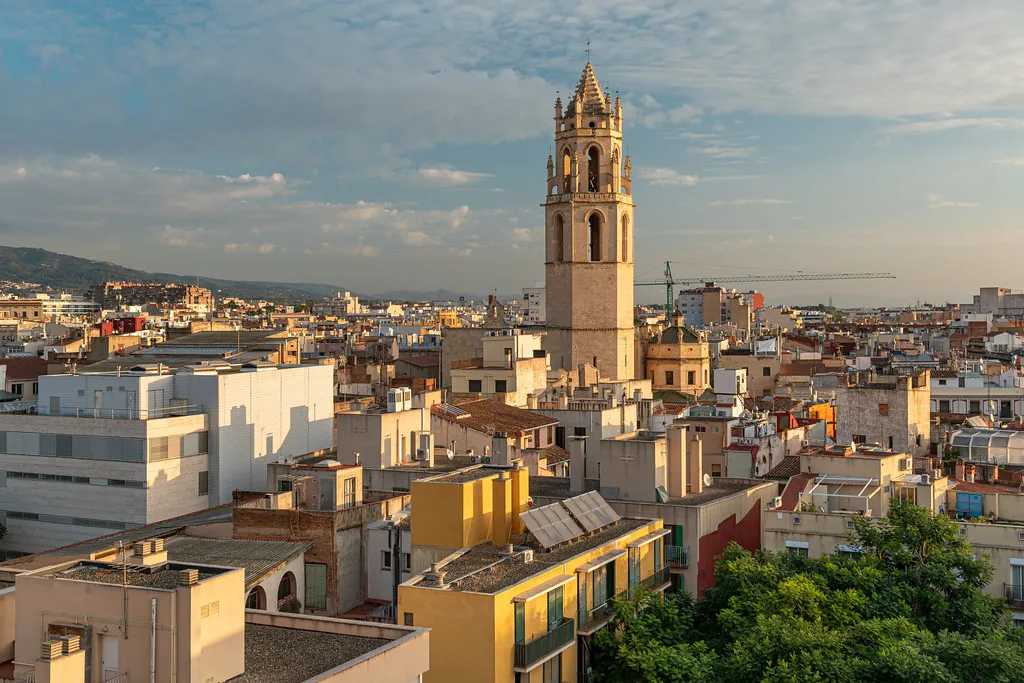
British visitors whizz past on the N-420, bound for Salou's English breakfasts or PortAventura's roller coasters. They miss the turning entirely. That's rather the point. Maspujols functions as a deliberate antidote to the coastal strip: no souvenir shops, no karaoke bars, no inflatable flamingos. Instead, narrow lanes lined with stone houses open onto almond orchards that explode into white-pink confetti each February. The village sits squarely in Catalonia's secà—dry-farming country—where olive and almond trees outnumber people twenty to one.
The Arithmetic of Quiet
Eight hundred and fifty-six residents. One bakery. One chemist. A single supermarket that locks its doors at 14:00 sharp and won't reopen until 17:00. Plan accordingly; there is no cash machine, and the nearest petrol station sits four kilometres away on the Reus ring road. Sunday is a ghost town—bring groceries or drive ten minutes to Cambrils for a proper meal.
What the village lacks in amenities it returns in space. Footpaths radiate from the church square like bicycle spokes, each one a gravel track through smallholdings where chickens scratch between the vegetable rows. Way-marking is casual at best; a painted stripe on a electricity pole, perhaps a hand-written "Camí de Riudoms" on a fence post. The reward for this navigational vagueness is near-guaranteed solitude. On a weekday in March you can walk for two hours and meet only a farmer pruning almond trees, his secateurs clicking like distant castanets.
Spring is the money season. Overnight temperatures still dip to 8 °C—pack a fleece—but the daylight is crisp and the orchards shimmer with blossom. By May the petals have blown away and the fields revert to dusty green. Summer turns fierce: 35 °C is routine, shade is scarce, and the cicadas drown out conversation. Autumn brings calçot season, those long green onions grilled over vine shoots until charred outside and candy-sweet within. Locals eat them by the dozen, dipping the slippery white stems into romesco sauce and bibs of newspaper. November through February is proper winter; night frosts are common and many village houses lack central heating. British half-term visitors expecting "southern Spain" warmth have been known to buy electric blankets in Reus.
Between Farmhouse and Ferris Wheel
Maspujols makes no pretence of being a destination. It is, deliberately, a dormitory for elsewhere. Reus—Gaudí's birthplace, Modernista facades, Saturday food market—lies fifteen minutes west. The beaches of Cambrils, with their cleaner-than-Costa-Brava sand and rows of xiringuitos grilling sardines, are twenty minutes east. Even the Priorat wine hills, all slate and dramatic gradients, start half an hour north. Stay here, sight-see there, retreat again before the coach parties return.
Accommodation is limited to a handful of self-catering townhouses on Airbnb (£55–£90 a night) and one rural casa de pagès down a farm track. The latter has a pool, olive oil press tours and an honesty box of chilled Priorat reds—perfectly drinkable at €8 a bottle, easier than negotiating a restaurant wine list in rusty Spanish. Breakfast provisions can be bought at the bakery on Plaça de l'Església: coques de recapte (flatbread smeared with roasted peppers and aubergine) travel well and survive backpack squashing better than croissants.
Cyclists discovered the lanes years ago. The gradient from Maspujols to the Prades mountains never rises above 4 %—child's play compared with the Lake District—and the tarmac is smooth after winter repairs funded by EU agricultural grants. Several British cycling blogs list the village as a coffee halt: bar Ca La Conxita will knock up a café amb llet and a slab of almond carquinyoli for €3.20, provided you don't mind the owner switching to Catalan the moment your Spanish runs out.
When the Village Decides to Wake Up
August's Festa Major drags the population back from coastal second homes. Brass bands, correfoc devils with fireworks, and a communal paella for four hundred people spill across the plaça. Accommodation is impossible unless you booked in January; day visitors park on the football pitch and hope the Guardia Civil doesn't ticket them. Sant Antoni in mid-January is smaller: a bonfire, a priest blessing pets, and free botifarra sausage sandwiches handed out by the local youth association. British dog-walkers bemusedly watch their Labradors sprinkled with holy water while farmers bring prize rabbits in wicker cages.
Otherwise, entertainment is self-generated. The municipal swimming pool opens June to September (€2 entry, closed Mondays). A tennis court sits unlocked beside the school; bring your own racquets and leave a coin in the tin for floodlight electricity. Friday night sardanas—the circular Catalan folk dance—take place outside the church when weather allows. Participation is encouraged; locals will grab your hands and teach the shuffling steps, though they reserve the right to laugh when you march the wrong direction.
Getting There, Getting Out
Reus airport, twenty minutes away, receives Ryanair and Jet2 flights May to October (Manchester, Birmingham, London-Stansted). Car hire desks shut promptly at 22:00; miss the cutoff and you're sleeping on terminal benches. Barcelona is an hour and a quarter up the AP-7 if the toll plazas behave. Trains from London via Paris and Barcelona Sants work, but you'll still need a taxi or a brave heart for Spanish rural buses—four a day, weekdays only, none at weekends.
Drive out on the TV-7041 and the orchards give way to vineyards, then the chemical plants of Tarragona's port, finally the sea. Turn left instead of right and you climb towards the Prades ridges, where snow sometimes dusts the holm oaks and wild boar root through the undergrowth. Maspujols stays fixed in the middle, stubbornly unflashy, betting that what visitors really want is silence, decent coffee and the smell of almond blossom drifting through an open bedroom window. Some days that bet pays off.