Full Article
about Mont-roig del Camp
Municipality that inspired Joan Miró, with beaches at Miami Platja and the iconic red hermitage on the mountain.
Ocultar artículo Leer artículo completo
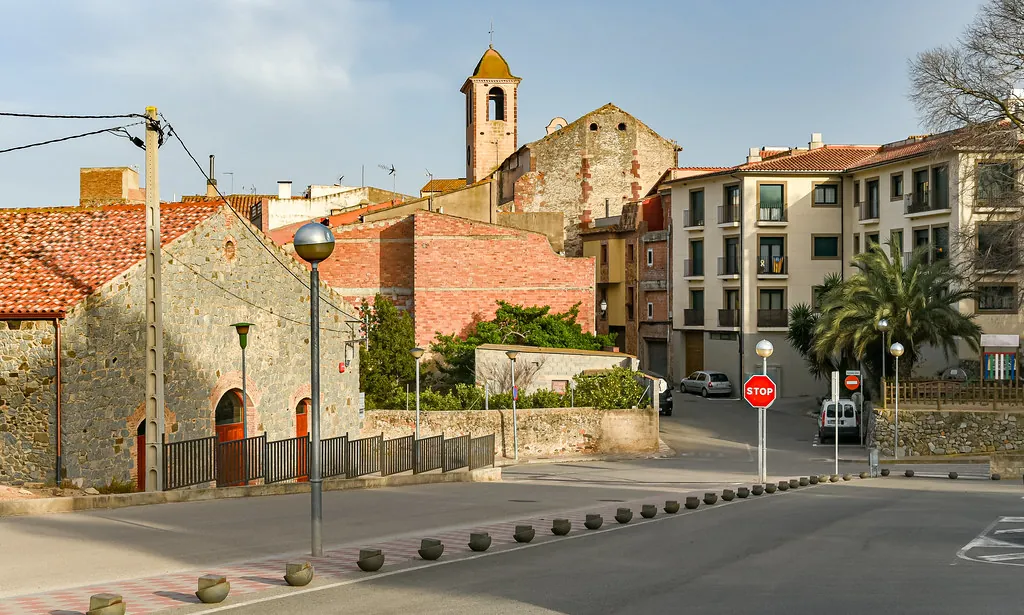
The church bells of Sant Miquel strike noon as elderly men in flat caps exit the bar-café, leaving half-finished cortados on marble tables. Twenty minutes downhill, British families stake out sunloungers on Miami Platja, their lilos already bobbing in the shallows. Same postcode, different planets.
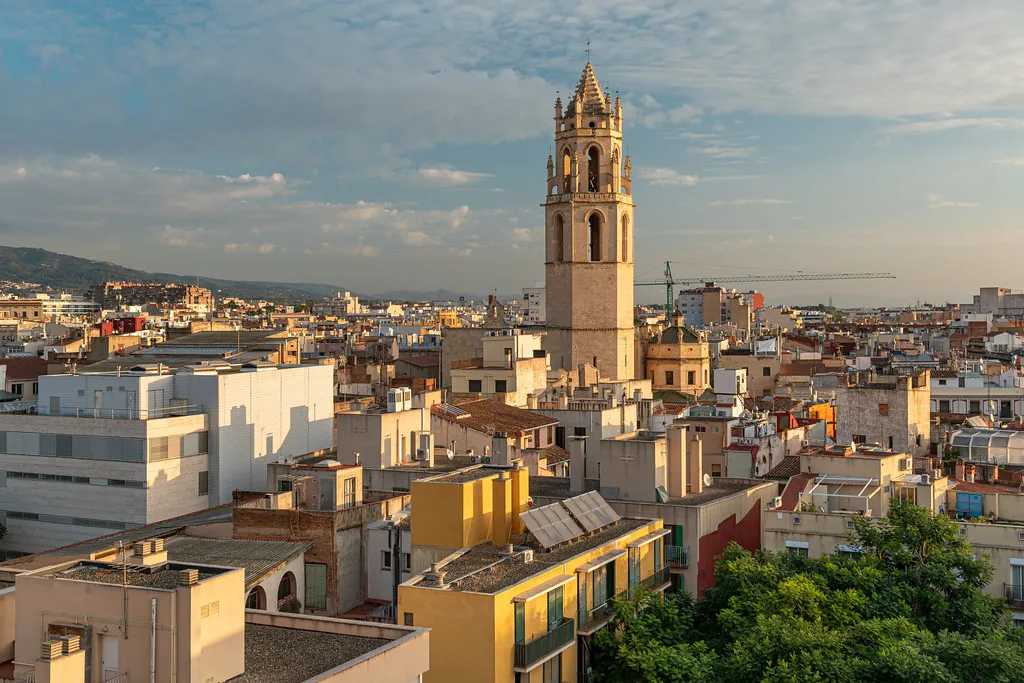
Mont-roig del Camp occupies that sweet spot on the Costa Dorada where Catalonia's agricultural backbone hasn't quite yielded to concrete. The municipality stretches from 120-metre inland plateau to three kilometres of coastline, encompassing everything from Joan Miró's restored farmhouse to rows of 1970s holiday apartments. It's this deliberate schizophrenia that makes the place interesting—though you'll need wheels to appreciate it properly.
The Miró Connection (and Why It Matters)
The artist first arrived in 1911, when the village numbered barely 2,000 souls. He kept returning for six decades, painting the ochre fields and prickly pear cacti that still frame the approach roads. The Centre Miró occupies a deconsecrated church in the old centre, displaying letters and sketches that explain how this特定 landscape bled into his signature primary colours. Admission costs €4, and the fifteen-minute video—available with English subtitles—justifies the detour even for non-art buffs.
More compelling is the 3.5-kilometre Ruta de Miró that loops from the centre to Mas Miró, the family farmhouse where he painted "La Masía". The path follows stone-walled tracks between almond and hazelnut groves, emerging suddenly onto the same view the artist immortalised: terracotta roofs clustered around the church, with the Mediterranean glinting beyond. Spring visitors catch the almonds in blossom—white petals against red earth, exactly as Miró saw them.
Two Beaches, Two Tribes
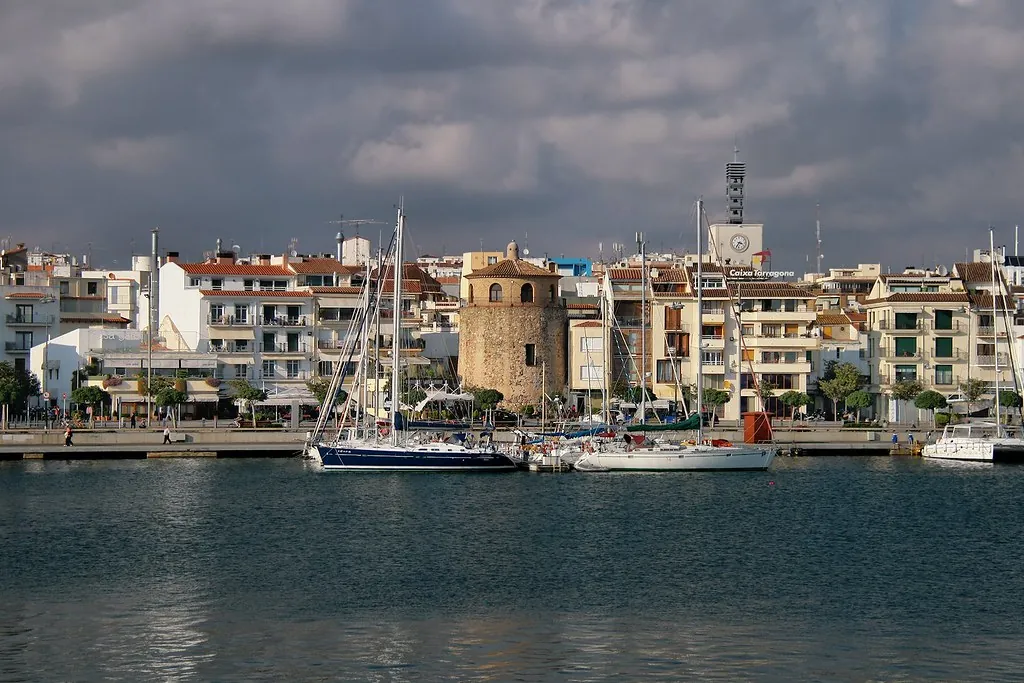
Miami Platja serves up exactly what you'd expect from a purpose-built resort: wide sands, pedalos for hire, and beach bars serving acceptable paella for €12 a portion. The frontage gets rammed in August, when Spanish families descend and parking requires saintly patience. British visitors tend to prefer the quieter coves towards Hospitalet de l'Infant—Cala Bot remains dog-friendly year-round, though you'll carry your four-legged friend across the rocks at high tide.
The real beach hack involves timing. Arrive before 10:00 am and you'll share the sand with elderly locals doing their morning constitutionals. By 2:00 pm they're replaced by northern Europeans slowly turning puce. The trick is escaping back uphill before the afternoon wind kicks in—Mont-roig sits far enough inland to avoid the worst coastal humidity, making siesta time genuinely pleasant.
Eating: From Farm to Plastic Tablecloth
Village restaurants remain resolutely Catalan. Can Xiquet does proper rabbit with snails when in season; order the €18 menú del día and you'll eat whatever Pere cooked for his family that morning. Down at the coast, things get more international—fish and chips appears alongside grilled sardines, though the latter (£8 a portion) taste better than anything served in Torquay.
Self-caterers should stock up at the Thursday market before hitting the beach urbanisations. Local co-ops sell cold-pressed olive oil in repurposed wine bottles, and the almond pastries called catànies make superior beach snacks to crisps. One word of warning: supermarkets in Miami Platja close on Sunday afternoons year-round. Arrive late and you'll be foraging crisps from the petrol station.
Walking Off the Calories
The GR-92 coastal path passes through municipality limits, but serious walkers head inland. A circular route from the ermita (hermitage) of Mare de Déu de la Roca follows medieval drove roads to the Siurana river valley—six kilometres of proper countryside with zero souvenir stalls. The ermita itself perches on a 150-metre crag, reachable via a paved but steep twenty-minute climb. Views extend south to the Delta de l'Ebre on clear days; bring water as the café operates on Spanish hours (closed 3:00-5:00 pm).
Cyclists find quiet lanes between dry-stone terraces, though summer requires an early start. The road from Mont-roig to Riudoms undulates through carob and olive plantations—think Dorset lanes with better weather and considerably less traffic. Mountain bikers can link forest tracks towards the Prades mountains, but carry repair kits: mobile coverage vanishes in valleys.
Practicalities Without the Boring Bits
Reus airport sits 30 minutes away—closer than Barcelona, with fewer baggage-carousel queues. Car hire remains essential; pre-book in the UK for rates under £150 weekly. Without wheels you're stranded: buses connect village to beach twice daily in season, but stop entirely on Sundays.
Accommodation splits three ways. The old centre offers converted townhouses with roof terraces—perfect for autumn evenings when the coast feels windswept. Beach apartments sleep six for £800 weekly in May, trebling come August. The Pierre & Vacances Bonavista de Bonmont occupies a weird limbo: eco-aparthotel with pools, 15 minutes drive from actual sand, popular with dog-owning Brits who've been coming since the 1990s.
Weather-wise, May and October deliver 22°C days without the July sauna effect. Winter brings proper Mediterranean clarity—think T-shirt weather at midday, jumper territory after dark. The village's altitude knocks three degrees off coastal temperatures; crucial when August hits 35°C and you're deciding between beach and siesta.
The Honest Verdict
Mont-roig del Camp won't suit everyone. Nightlife means drinking vermouth in the square until the bar owner wants his bed. The beach architecture owes more to function than beauty. Yet precisely this lack of polish preserves its dual character—working fields behind the holiday façade, Catalan spoken without the Barcelona switch to English.
Come with realistic expectations and a full tank of petrol. You'll breakfast on warm croissants while farmers discuss almond prices, then swim before the crowds arrive. By evening you're back uphill, watching lights twinkle along the coast you escaped. Miró understood the appeal: same landscape, two rhythms, endlessly repeatable.