

Full Article
about Reus
Birthplace of Gaudí and capital of modernism and vermouth, with a thriving commercial scene.
Ocultar artículo Leer artículo completo
The flight touches down at 09:15. Twenty minutes later you’re sipping a chilled vermouth in Plaça del Mercadal while suitcase-laden tourists disappear north on the A-7 towards Barcelona. Welcome to Reus, where Modernism comes without queues and the Costa Dorada begins at the city limits.
Reus sits 117 metres above the Mediterranean, close enough to smell the salt on summer evenings yet shielded from coastal package traffic. Locals call it la capital del Baix Camp—market town, industrial cradle and, above all, the place where Antoni Gaudí was baptised before heading off to build the Sagrada Família. The city keeps the connection modest: no imitation lizards or souvenir sagrada anything, just a thoughtfully curated Gaudí Centre that explains how the red earth and agricultural wealth of Camp de Tarragona shaped the architect’s taste for colour and catenary curves.
Brick, stone and soda siphons
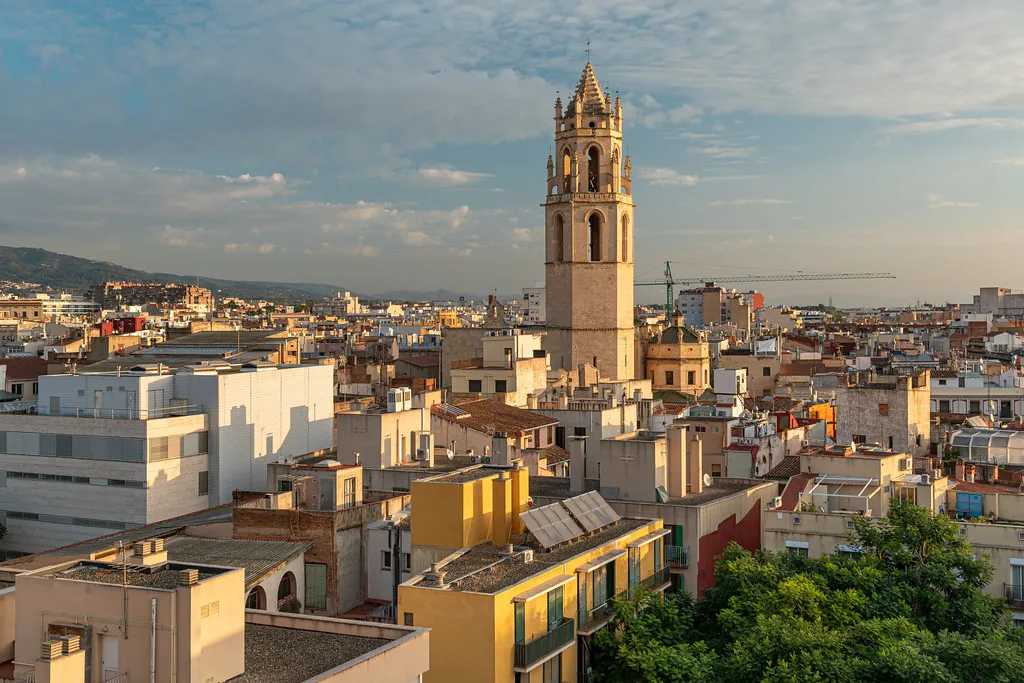
Start at Casa Navàs. Lluís Domènech i Montaner finished the mansion in 1908 and the interior still belongs to the original family, which means visitors climb the marble staircase under electric bulbs that have never been moved. Tours (€12, hourly) are capped at fifteen people; book the first slot and you’ll have the stained-glass palm leaves to yourself. Opposite, the Prioral church lifts a 60-metre neo-Gothic tower that you can climb for €4—views stretch from the coast to the Prades mountains, handy for planning afternoon hikes.
Seventy more Art-Nouveau façades pepper the old quarter, all labelled on the free Modernist Route map. The circuit is flat, barely two kilometres, and leads past liquor shops whose brass soda siphons recall Reus’s nineteenth-century vermouth boom. Duck into the Museu del Vermut (€5 with tasting) to learn why the city’s aromatised wine travelled to Cuba and back before becoming the pre-lunch drink of choice. Order un vermut de grifo at noon in any bar: tap, ice, splash of sifón, slice of orange—about €2.50 and far less embarrassing than ordering sangria.
Market mornings and mountain afternoons
The Mercat Central fills a 1949 hall of exposed brick and steel. Monday to Saturday you’ll find hazelnuts from the nearby Prades foothills, arbequina olive oil in one-litre tin cans, and hake freighted up from Tarragona port the same dawn. Stallholders still use the old weights and measures—ask for un quart (250 g) of botifarra sausage and they’ll slice it with theatre. Grab a paper cone of roasted chestnuts in autumn; in spring it’s tender calçots that locals dip into almond-thickened romesco.
By 13:00 the city shutters for lunch. Use the lull to escape the heat. Bus 50 (€2.50) leaves hourly for the monastery of Scala Dei, 45 minutes into the Prades range; from there a well-marked 8 km loop threads through holm-oak forest to the stone village of Siurana, perched on a limestone cliff that climbers treat like a Mediterranean Yosemite. If you’d rather stay horizontal, the urban bus to Salou takes 20 minutes—join the Spanish families on Platja Capellans, a sandy cove backed by pines, and be back in Reus for vermouth o’clock.
When to come, when to stay away
April brings the Festa del Vermut: plastic cups in the streets, brass bands, and a general agreement that work can wait. Temperatures hover around 22 °C—perfect for wandering without the sweat patches. Late September is harvest time; the oil cooperative on Carrer de Sant Joan offers free tastings of cloudy green liquid so peppery it makes you cough. August, by contrast, is siesta city. Shops close at 14:00, the mercury kisses 34 °C, and the only people in the squares are British tourists who misread “pueblo auténtico” as “air-conditioned”. If you must come mid-summer, book a room with a pool—Hotel NH Ciutat de Reus has a small rooftop plunge and weekend rates drop under €80 when conventions leave town.
Getting here, getting out
Reus airport (REU) hosts Ryanair flights from Manchester, Birmingham and London-Stansted up to four times a week in season. The L50 airport bus reaches Plaça de la Llibertat in fifteen minutes; after 22:00 a taxi is €12 and still cheaper than the Costa coach to Salou. From Barcelona Sants, MonBus covers the 108 km in 1 h 30 min for €16—often faster than the train change in Tarragona.
Base yourself here and day-trip judiciously. Tarragona’s Roman amphitheatre is fifteen minutes by regional train; buy the €7.50 combo ticket that includes the circus and pret you’re at Charlton Heston’s day job. PortAventura is a nine-kilometre taxi ride (€18) if rollercoasters are compulsory, but Reus itself hands you the same paella at half the price in restaurants that don’t own a laminated menu.
The honest verdict
Reus won’t change your life. It has no beach, no Gaudí masterpiece, no Instagram-famous skyline. What it does offer is the rare sensation of being in a working Catalan city where tourism is incidental rather than municipal policy. You’ll hear more Spanish than English in the bars, pay local prices for coffee (€1.30) and parking (€1.50 an hour in the underground beneath Plaça de la Llibertat), and still be back at the airport in time for a 20.30 flight. Pack an appetite for vermouth and a tolerance for midday quiet, and the cradle of Modernism feels less like a cradle, more like a perfectly serviceable armchair—comfortable, unshowy, and surprisingly hard to leave.