Full Article
about Riudecols
Mountainous municipality on the way to Priorat with several hamlets and wooded surroundings
Ocultar artículo Leer artículo completo
The church bells strike noon as a tractor rattles past the stone houses of Carrer Major. Nobody looks up. In Riudecols, population 1,207, this is simply the daily soundtrack – a village where agricultural time still trumps tourist schedules, even though the beaches of Cambrils lie just 25 minutes away.
Between vineyard and village
At 299 metres above sea level, Riudecols sits high enough to catch the breeze that sweeps across the Baix Camp's rolling quilt of vines and hazelnut groves. The altitude matters: mornings stay cooler than the coast, meaning grapes ripen slower and the oil from local arbequina olives keeps its peppery kick. Drive the winding CV-4201 from the AP-7 and you'll watch thermometer readings drop by four degrees – welcome relief in July when coastal humidity turns sticky.
Stone terraces built in the 18th century still define the fields. Their dry walls, patched each spring after winter frosts, divide properties whose names – Mas d'en Bisbe, Mas del Tronc – appear on bottles sold at the petrol station in nearby Riudoms for €6-8. This isn't boutique marketing; it's simply how wine has always left the village. Most visitors arrive clutching supermarket cava, unaware that the surrounding 300 hectares of D.O. Tarragona vines produce crisp whites locals drink with salty calçots in February.
A grid that never quite happened
Urban planners never mastered Riudecols. Streets radiate from the church of Sant Pere like spilled marbles, narrower at each junction until even a Seat Ibiza has to breathe in. The result is gloriously pedestrian-friendly: wander ten minutes in any direction and you'll hit agricultural land, the village edges still marked by threshing floors rather than ring roads.
Sant Pere itself rewards a full circuit. Start at the 16th-century portal, note the Gothic arch later widened for carts, then duck into the north aisle where a Baroque chapel glints with gilt that financed half the village after the phylloxera blight. Restoration work pauses each October when funds run dry; scaffolding has become a semi-permanent feature photographed by Catalan art students who prefer their churches honest rather than pristine.
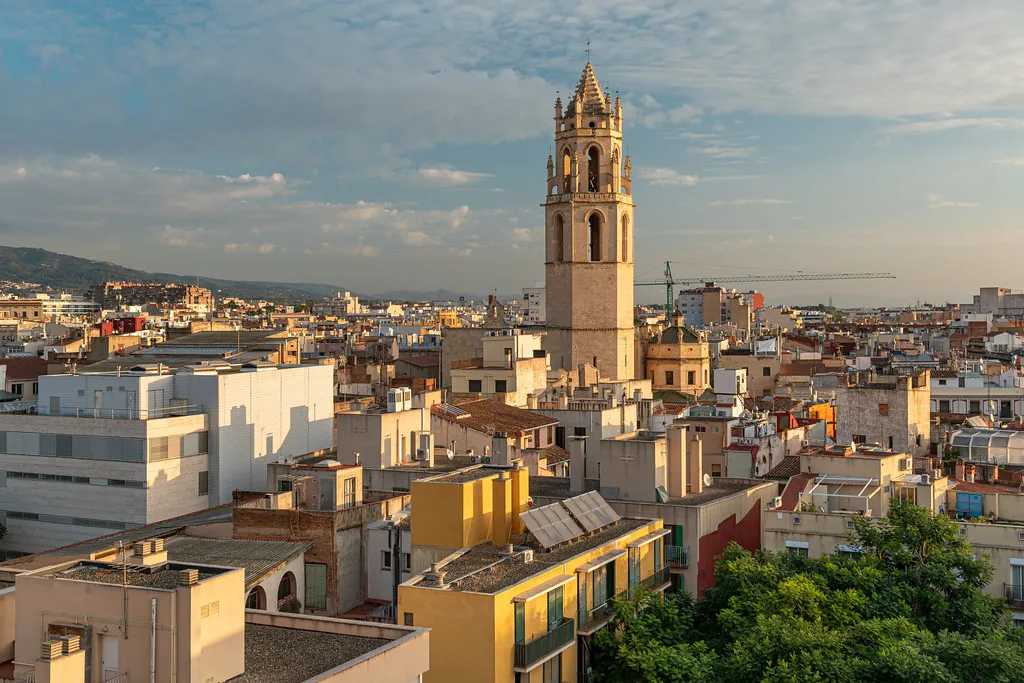
Behind the altar, a small door leads to the bell tower. Climb on a Saturday evening and you'll share the platform with locals checking cloud formations over Prades mountains – an agricultural barometer more trusted than any weather app. The view frames the village's logic: terracotta roofs cluster around the church tower, then scatter into allotments where even pensioners keep chickens among the artichokes.
Eating without the coastal mark-up
Riudecols won't win Michelin stars, yet it feeds better than most Costa Dorada resorts. Bar Parada runs the only daily lunch menu – three courses, bread, wine and coffee for €14 – served between 1.30pm sharp and 3pm whenever the cook's family finishes eating. Expect escalivada so smoky the aubergine tastes of campfire, followed by rabbit stew thickened with hazelnuts from trees you passed driving in.
For self-caterers, the Dia supermarket opens 9am-2pm, reappears at 5pm-8.30pm, then locks up entirely on Sunday. Stock accordingly. The bakery opposite the pharmacy sells cocas – rectangular flatbreads topped with roasted peppers – best eaten warm while leaning against the village fountain watching elderly residents argue about tomato prices.
Evening options shrink to two bars and Pizzeria Cal Ganxo, where Italian owners dish out thin-crust pizzas to teenagers bored by romesco sauce. Locals treat it as the village canteen: order a large Estrella, ask for "la especial de Joan" (caramelised onion and butifarra) and nobody questions your accent.
Walking off the wine
The GR-7 long-distance footpath skirts the village perimeter, but shorter loops prove more satisfying. Pick up the yellow waymarks behind the cemetery for a 5km circuit through almond and olive groves, dropping into the barranc where wild rosemary scents the air. Spring brings purple orchids among the vines; autumn smells of damp earth and fermenting grapes crushed under tractor tyres.
Cyclists find gentler gradients than the Pyrenees but fewer facilities – bring spare tubes and enough water for 90-minute stretches between villages. The tarmac to Prades climbs 600 metres over 18km; more leisurely riders follow the converted railway line towards Mont-roig del Camp, flat gravel passing ancient olive trees whose trunks resemble twisted elephant legs.
Maps at the ajuntament mark routes, but staff speak limited English – downloading the Wikiloc app beforehand prevents wrong turns into private fincas where dogs take their guard duties seriously.
Timing your visit – and knowing when not to
Riudecols functions year-round, unlike many rural villages shuttered October-Easter. Winter days sparkle sharp and bright; log smoke drifts from chimneys while locals gather at 11am for coffee and cards. January's Sant Antoni festival brings a procession of horses, traditional blessing of animals, and a communal barbecue where strangers are handed bread rubbed with garlic and tomato before they can refuse.
Spring means calçotadas – messy outdoor feasts of charred spring onions dipped in nutty romesco. Several farms host public days; reserve early as Catalan families book months ahead. Summer heats up quickly: by August the square's plane trees offer the only shade and siestas stretch until 5pm when temperatures finally dip below 30°C. This is fiesta mayor time, three days of live music, foam parties for children, and late-night verbenas where grandparents dance beside teenagers until the church bells warn of 4am.
Autumn brings harvest, the village at its photogenic best. Tractors towing trailers of purple grapes clog the narrow streets; the cooperative winery on the outskirts opens its doors, offering tasting glasses for €2 donation to local cancer hospice. By November rain arrives – often heavy enough to trigger flash floods in the barranc – and many British homeowners head home, leaving silent streets perfect for solitary walkers wrapped in Barbour jackets against the mountain chill.
Making it work
A car isn't optional. Reus airport sits 25 minutes away via the C-14; Barcelona adds an extra hour but offers more UK flights year-round. Car-hire desks close promptly at Reus – miss your slot and a taxi costs €40 with no return journey available before 7am. Trains reach Reus or Tarragona from Barcelona Sants; buses onwards are infrequent, especially Sunday when service stops entirely.
Accommodation clusters around converted farmhouses: Les Velles Escoles occupies the old primary school, eight minimalist rooms overlooking wheat fields where guests breakfast on freshly squeezed orange juice and homemade yoghurt. Self-catering options include stone casas with unheated pools – invigorating May-September, abandoned the rest of the year when nighttime temperatures drop to single figures.
Leave the stag parties in Salou. Riudecols offers instead the small pleasure of buying wine from the man who grew the grapes, of watching village life proceed without reference to TripAdvisor rankings. Come prepared for early closing, for conversational Spanish (Catalan helps more), for roads that test clutch control. Stay longer than a weekend and the butcher remembers how you like your steak; the baker keeps aside the last coc if you're running late. That recognition feels better than any beach sunset – and it won't appear on Instagram.