Cataluña · Sea, Mountains & Culture

Vandellòs i l'Hospitalet de l'Infant

After 25 years of exploring every nook and cranny of Spain, I thought I'd seen it all. Then I discovered Vandellòs i l'Hospitalet de l'Infant, and ...

7,143 inhabitants · INE 2025
10m Altitude
Coast Mediterráneo

Why Visit

Coast & beaches Mountain Gothic hospital (Hospitalet)

Best Time to Visit

summer

Main Festival (August) agosto

Things to See & Do
in Vandellòs i l'Hospitalet de l'Infant

Heritage

  • Gothic hospital (Hospitalet)
  • Olive Oil Interpretation Centre (Vandellòs)
  • Playa del Torn

Activities

  • Hiking and mountain biking
  • Beach swimming
  • Cultural visits

Festivals
& & Traditions

Fecha agosto

Fiesta Mayor (agosto), San Roque (agosto)

Las fiestas locales son el momento perfecto para vivir la autenticidad de Vandellòs i l'Hospitalet de l'Infant.

Full Article
about Vandellòs i l'Hospitalet de l'Infant

A town that blends sea and mountain, with quiet beaches and wooded inland.

Ocultar artículo Leer artículo completo

Why This Twin Village Stole My Heart

After 25 years of exploring every nook and cranny of Spain, I thought I'd seen it all. Then I discovered Vandellòs i l'Hospitalet de l'Infant, and honestly, it felt like finding a secret that locals had been keeping to themselves. This isn't your typical Costa Brava tourist trap – it's something far more special.

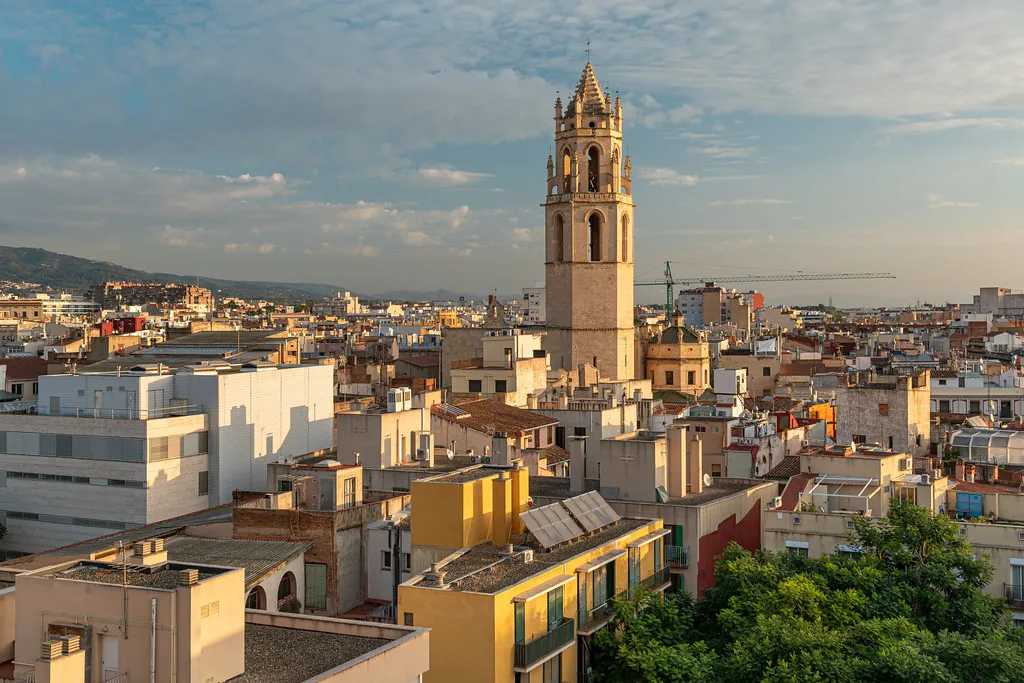
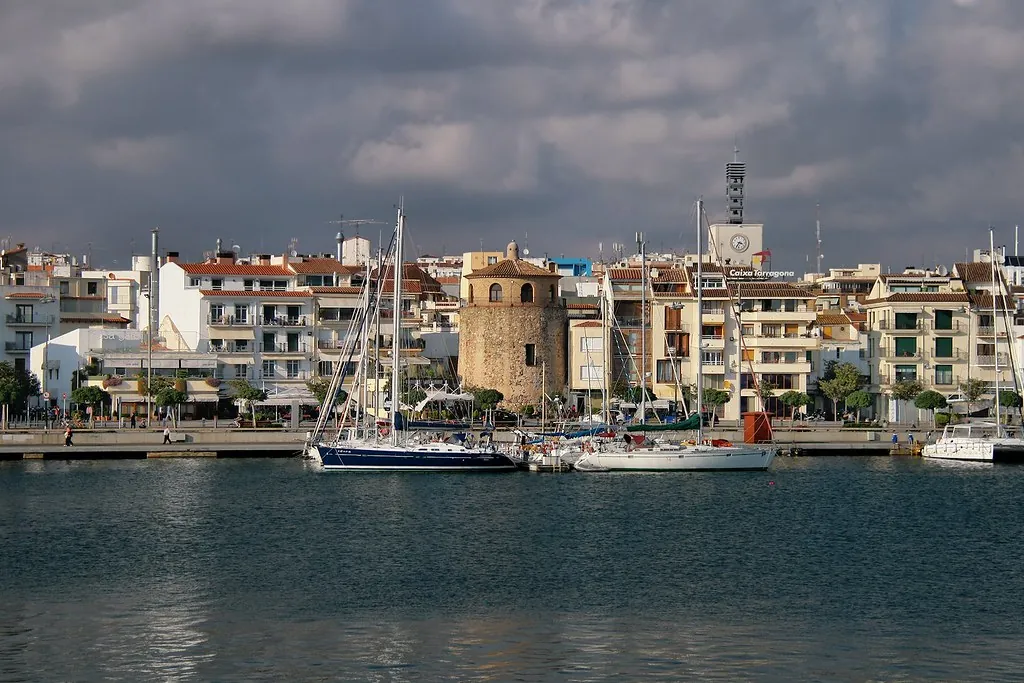
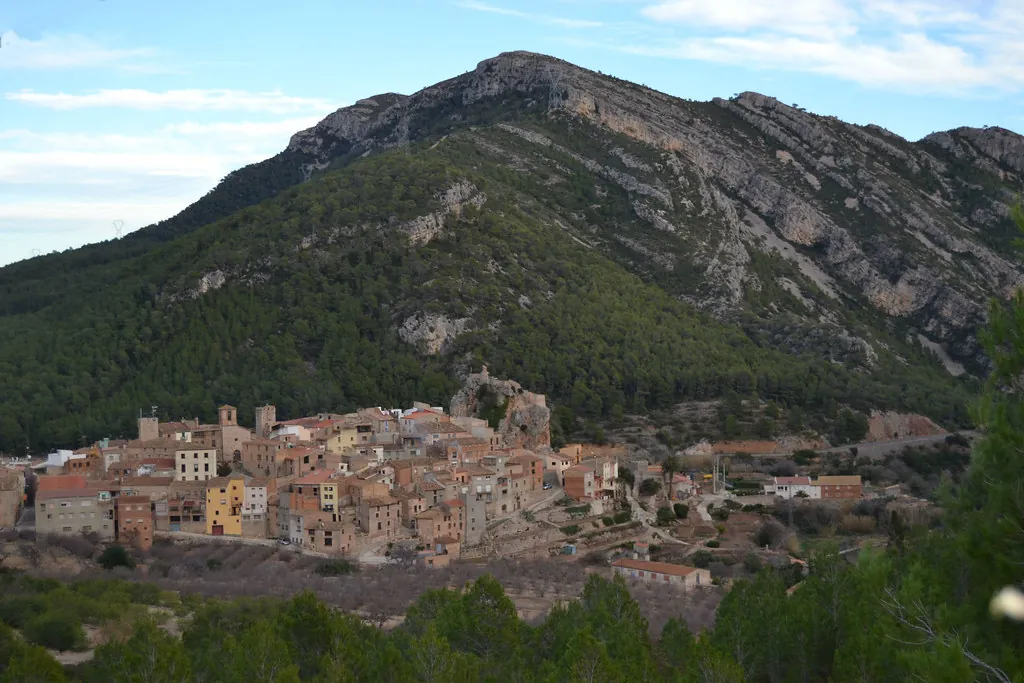
What makes this place unique is right there in the name: it's actually two villages that merged, giving you the best of both worlds. Vandellòs sits inland amongst olive groves and rolling hills, whilst l'Hospitalet de l'Infant hugs the Mediterranean coast. In just ten minutes, you can go from exploring a medieval hospital to lounging on some of Catalonia's most pristine beaches. It's like having a mountain retreat and seaside escape rolled into one.

Daily Life in This Coastal-Countryside Gem

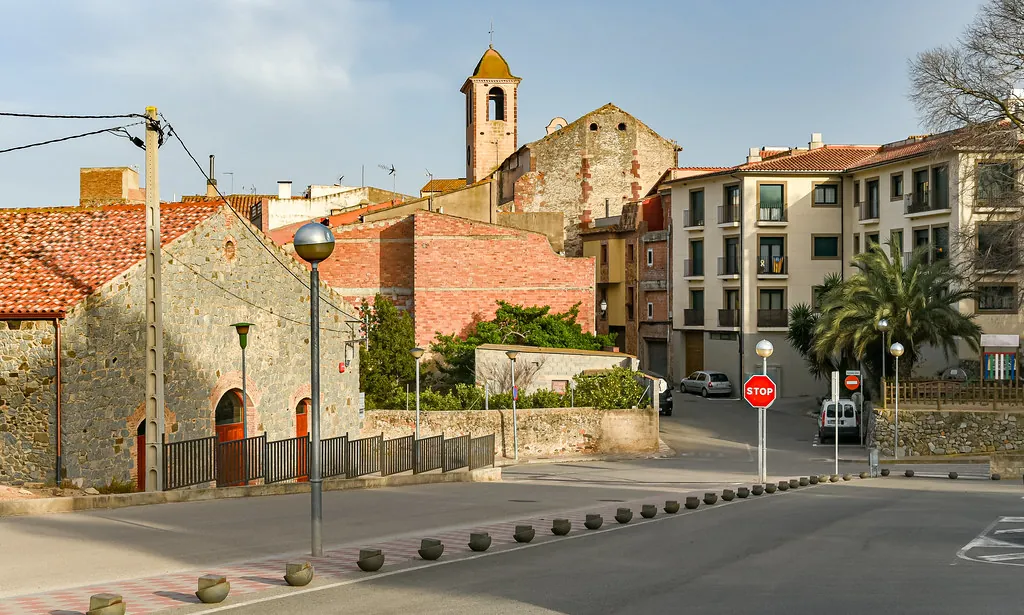
The beauty of this dual village lies in its split personality. Start your morning in Vandellòs, where the pace is distinctly rural. Old men gather in the village square for their morning coffee and endless political discussions, whilst women chat over their shopping bags filled with local olive oil – some of the finest in all of Catalonia, I might add.

Drive down to l'Hospitalet de l'Infant (and yes, you'll want that hire car – public transport here is practically non-existent), and you'll find a completely different rhythm. This coastal bit comes alive with beach-goers and hikers heading off to explore the protected coves. The fishing boats still bring in their daily catch, and you'll see locals queuing at the fish market like it's a sacred ritual.

What struck me most is how unspoilt it all feels. Even in peak summer, you won't find the crushing crowds or endless rows of beach bars that plague other coastal spots. The population hovers around 7,000, which means there's enough life to keep things interesting, but not so much that you feel overwhelmed.

Hidden Treasures Through a Resident's Eyes

Let's start with the star attraction: Playa del Torn. Now, I should mention this is one of Catalonia's most famous naturist beaches, so don't be surprised if you encounter some clothing-optional sunbathers. Even if that's not your cup of tea, the beach itself is absolutely stunning – golden sand backed by pine-covered cliffs and crystal-clear water that puts the Caribbean to shame.

The walk down to some of these coves is an adventure in itself. Pack proper walking shoes (flip-flops won't cut it), and bring plenty of water. The coastal paths wind through protected natural areas where the scent of wild rosemary and pine fills the air. It's magical, but do respect the signs – these areas are fragile.

Back in Vandellòs village, the gothic Hospital building is worth a proper look. This isn't your typical tourist monument – it's a functioning interpretation centre where you can learn about the region's liquid gold: olive oil. The locals are incredibly proud of their oil, and rightly so. I've brought bottles back to friends in Britain, and they're always amazed at the quality.

Don't miss the coastal hiking trails either. From June through September, they can be scorching, but visit in spring or autumn, and you'll have some of the most spectacular Mediterranean walking in Spain. The views across to the Balearic Islands on clear days are simply breathtaking.

Where Locals Actually Eat and Drink

Forget the flashy beachfront restaurants with plastic menus in five languages. The real treasures are the family-run places where arroz a banda is still made the proper way – with fish stock so rich it could stand up on its own.

In l'Hospitalet, head to the small restaurants near the fishing harbour. They don't look like much from the outside, but when the fishing boats come in around 4pm, that's where you'll find the freshest catch being served within hours. Ask for the daily special – it's usually whatever came off the boats that morning.

The local olive oil deserves special mention. Pop into any of the small shops in Vandellòs village, and you can taste oils that would cost a fortune in London. The locals will chat your ear off about their groves, and honestly, their passion is infectious. I always stock up when visiting – it's become my go-to gift for dinner parties back home.

For evening drinks, the Spanish tradition of late dining applies here too. Don't expect anything to really get going until after 9pm, but when it does, you'll find locals of all ages gathering in the village squares, children playing football whilst parents catch up over wine and tapas.

The Practical Bits You Need to Know

Right, let's talk logistics. You absolutely need a car here – no two ways about it. The nearest train station is in l'Hospitalet de l'Infant, but even then, you'll want wheels to explore both villages and reach those stunning coves. Book a small car if you can; some of the coastal access roads are rather narrow, and parking in the old village centres can be tight.

The best time to visit depends on what you're after. June through September is perfect for beach life, though July and August can be absolutely sweltering – I'm talking 35°C (95°F) regularly. If you're more interested in hiking and exploring without melting, spring and autumn are ideal. The weather's still warm enough for swimming, but you won't feel like you're in an oven when walking those coastal paths.

For accommodation, I'd recommend looking at holiday rentals rather than hotels. There aren't many large hotels anyway, and a rental gives you the flexibility to try both village life and coastal living. Plus, with that fantastic local olive oil and fresh fish available, you'd be mad not to cook at least a few meals yourself.

One word of warning: some of the cove access points require proper hiking boots and a decent level of fitness. Don't attempt these paths in flip-flops after a few drinks – the local emergency services have better things to do than rescue overconfident tourists.

Travel insurance is worth having too, especially if you're planning on doing any serious hiking. The paths can be steep and rocky, and mobile phone coverage isn't always reliable in the more remote spots.

This isn't a place for tick-box sightseeing or packed itineraries. It's for slowing down, appreciating the simple pleasures of excellent food, stunning scenery, and the kind of authentic Spanish life that's becoming harder to find. Trust me, once you've experienced the magic of switching between mountain village mornings and seaside afternoons, you'll understand why this little corner of Catalonia has captured my heart completely.

Key Facts

Region
Cataluña
District
Baix Camp
Coast
Yes
Mountain
Yes
Season
summer

Planning Your Visit?

Discover more villages in the Baix Camp.

View full region →

More villages in Baix Camp

Traveler Reviews