LAP El Perelló 2019.png
Junta Electoral · Public domain
Cataluña · Sea, Mountains & Culture

El Perelló

Seven kilometres inland from the Costa Daurada's most empty stretch of sand, El Perelló squats at 142 metres above sea level like an afterthought. ...

2,948 inhabitants · INE 2025
142m Altitude
Coast Mediterráneo

Why Visit

Coast & beaches Cabrafeixet rock paintings Honey Route

Best Time to Visit

summer

Main Festival (January) enero

Things to See & Do
in El Perelló

Heritage

  • Cabrafeixet rock paintings
  • Honey visitor center
  • Beaches (Santa Llúcia)

Activities

  • Honey Route
  • Visit to cave paintings
  • Quiet beach

Festivals
& & Traditions

Fecha enero

Fiesta Mayor (enero), Feria de la Miel (abril)

Las fiestas locales son el momento perfecto para vivir la autenticidad de El Perelló.

Full Article
about El Perelló

Honey capital with unspoiled coastline and UNESCO-listed cave paintings.

Ocultar artículo Leer artículo completo

The village that forgot to sell out

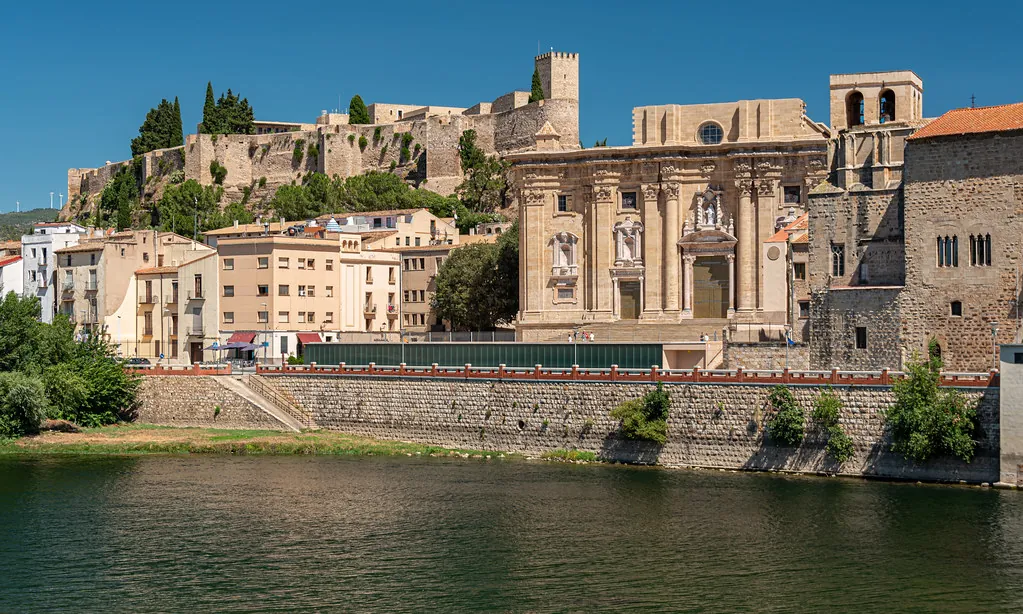
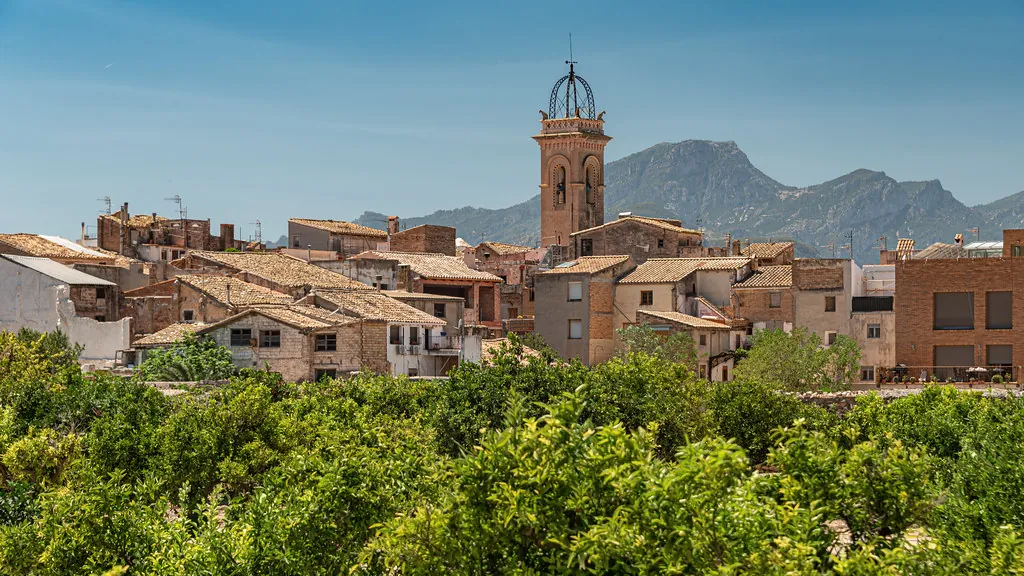
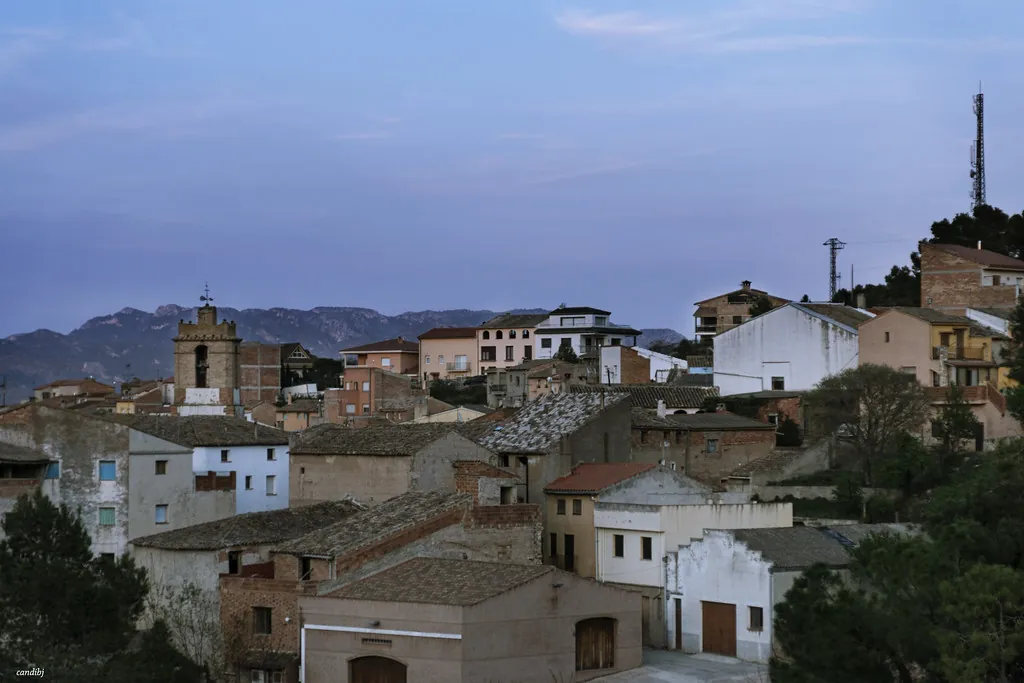
Seven kilometres inland from the Costa Daurada's most empty stretch of sand, El Perelló squats at 142 metres above sea level like an afterthought. No souvenir shops. No karaoke bars. Just a grid of stone houses wrapped around a 19th-century church, watched over by the last ripple of the Tivissa-Vandellòs mountains. The Mediterranean glints in the distance, close enough to smell when the tramontana wind blows, far enough to keep the August hordes distracted by easier targets.

This is agricultural country first, coastline second. Almond trees crackle in the heat. Olive groves march up limestone ridges in neat military lines. Carob pods litter the ground like discarded chocolate buttons. Drive in on the TV-3401 from L'Ametlla de Mar and you'll pass more tractors than rental cars—a ratio that tells you everything about why El Perelló still feels like Spain from a decade the coast forgot.

Beaches for people who dislike beaches

The coast here isn't postcard-pretty; it's better than that. L'Arenal throws down three kilometres of proper golden sand, wide enough that even in peak season you can claim a square metre without a stranger's foot in your face. The water shelves gently, stays shallow for fifty metres, and lacks the sudden drop-offs that panic weaker swimmers. On weekdays outside August you'll share it with elderly Catalan women doing breaststroke in floral swimsuits and the occasional French camper van. Weekends get busier—Barcelonians arrive with cool boxes and opinions about your umbrella placement—but it's still nothing like the towel-to-towel gridlock of nearby Sant Carles de la Ràpita.

Smaller coves hide south of the village. Cala Martina, reachable by dirt track, offers rock platforms perfect for leaping into turquoise water when the midday sun hits intolerable levels. No bar, no toilet, no lifeguard. Bring water or suffer. The fishermen who launch their boats at dawn sometimes sell the morning's catch from cool boxes in the car park—five euros gets you six sardines that still smell of salt.

Walking off the rice pudding

El Perelló sits sandwiched between two landscapes that cancel each other's defects. The mountains provide shade and breeze when the coast turns furnace-hot; the sea returns the favour with cooling air that stops the hills feeling suffocating. A network of signed paths—properly waymarked, no less—threads through olive groves and abandoned terracing. The PR-C 123 climbs 300 metres to the Ermita de la Consolació, a ruined chapel that stares straight across the Ebro Delta's flat green pancake. Spring brings wild rosemary and thyme underfoot; the smell follows you home on shoe soles.

Serious hikers can link into the GR-92 coastal path, but day-trippers are better off on the shorter loops that start from the old railway line. The 7-kilometre Almond Blossom Circuit (locals just call it "the flowery one") turns white in February when the trees bloom. It's gentle enough for children, provided you avoid midday—there's no shade and the agricultural tracks reflect heat like mirrors.

Food that doesn't photograph well but tastes brilliant

Forget twee tapas bars. El Perelló eats like it farms: straightforward, seasonal, unashamedly filling. The honey co-operative on Carrer Major sells orange-blossom honey that British expats hoard by the kilo—spread it on the village bakery's dense country bread and you'll understand why. Sunday's market occupies just six stalls but the jamón serrano man carves paper-thin slices from a leg that costs less than a London round of drinks.

Local menus favour rice over seafood, despite the proximity to water. Arros amb anecs—duck and rice—comes dark and sticky, the bird's fat flavouring grains grown in Delta paddies twenty minutes away. Romesco sauce appears with everything from grilled chicken to calcots (those leek-like onions Catalans eat by the bundle). It's nutty, garlicky, and mild enough for chilli-phobic palates.

Dessert is either carob cake—tastes like chocolate brownie's healthier cousin—or mel i mató, fresh goat's cheese drowning in local honey. Both pair well with the region's sweet Moscatell, served ice-cold in small glasses that belie their alcoholic punch.

When to come and when to stay away

April and May turn the hills green before the sun burns everything biscuit-brown. Temperatures sit in the low twenties, perfect for walking without drowning in sweat. September offers similar conditions plus warm sea water—ideal if you like swimming without turning blue.

August triples the population. The Festa de la Mel fills the streets with sticky children and daily mascletàs—firework displays that sound like artillery practice. Accommodation books up months ahead; prices jump accordingly. If you dislike crowds, noise, or paying €120 for a basic double, pick another month.

Winter brings tramontana winds that howl down from the Pyrenees and rattle window shutters all night. Many restaurants close. The beach becomes a dog-walking zone. On the other hand, you'll have the almond blossom trails entirely to yourself, and village bars still serve coffee for €1.20 with no service charge nonsense.

Getting here (and why you definitely need a car)

No UK tour operator touches El Perelló. That's not snobbery—there simply aren't enough hotel beds to make it worthwhile. Fly to Reus (45 minutes' drive) or Barcelona (90 minutes), hire a car, and accept that you'll be driving everywhere. Public transport consists of one school bus and good intentions.

The village itself climbs a modest hill; the historic centre is pedestrian-friendly if you don't mind steep lanes. Parking outside August is straightforward—ignore the dusty plaza by the church and use the free municipal car park behind the medical centre. The beach sits seven kilometres away down a winding road with no pavement; cycling is possible but requires thighs of steel and absolute faith in Spanish drivers' overtaking judgement.

The bottom line

El Perelló won't change your life. It doesn't do dramatic sunsets or Instagram moments. What it offers is something simpler: a corner of Mediterranean Spain where tourism arrived late and left early, where lunch still costs less than a tenner, and where the loudest noise at night is either church bells or cicadas depending on the season. Come for that. Or don't—just don't expect souvenir shops selling fridge magnets.

Key Facts

Region
Cataluña
District
Baix Ebre
Coast
Yes
Mountain
No
Season
summer

Planning Your Visit?

Discover more villages in the Baix Ebre.

View full region →

More villages in Baix Ebre

Traveler Reviews