Full Article
about L'Aldea
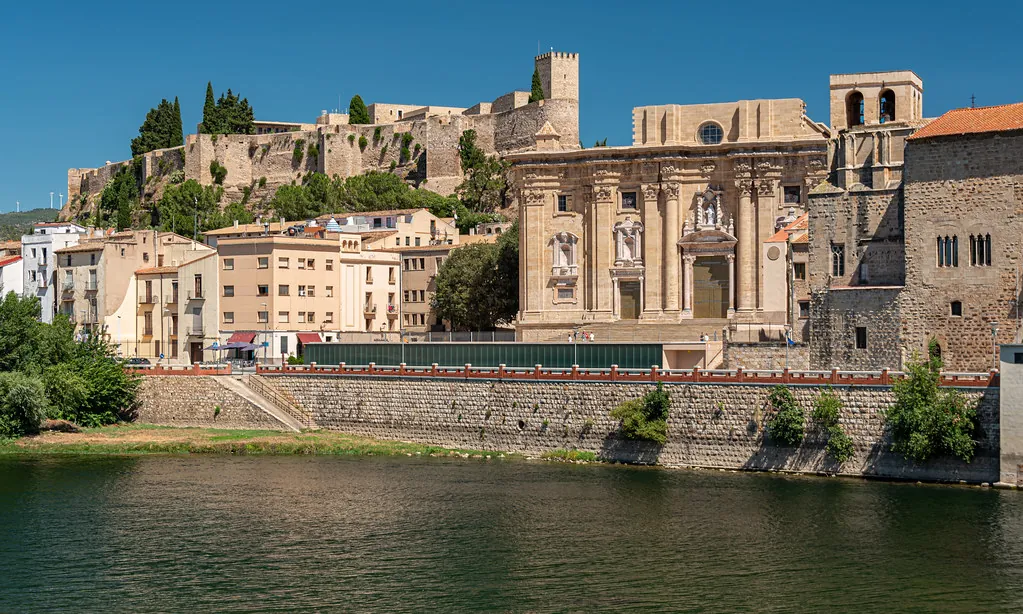
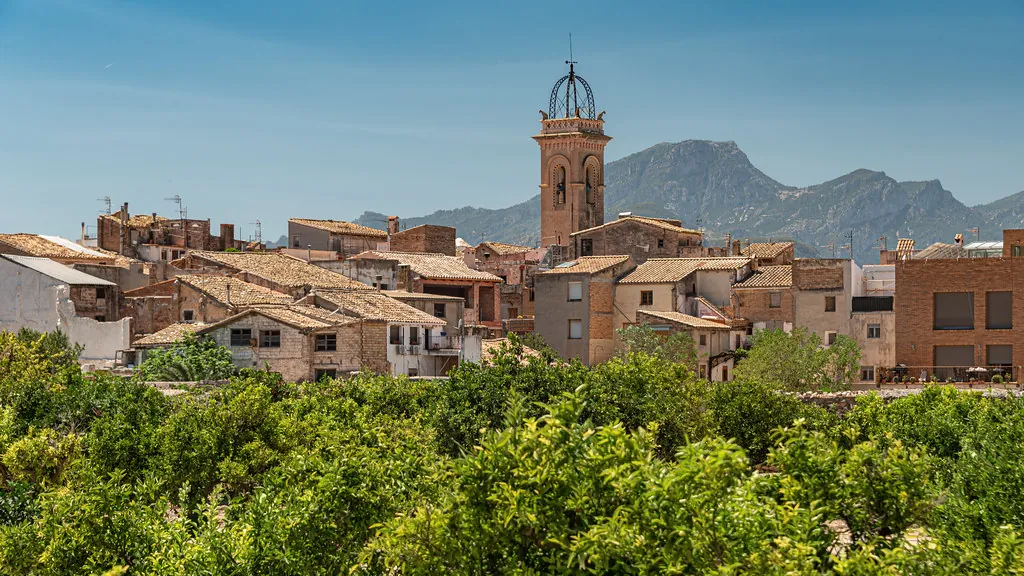
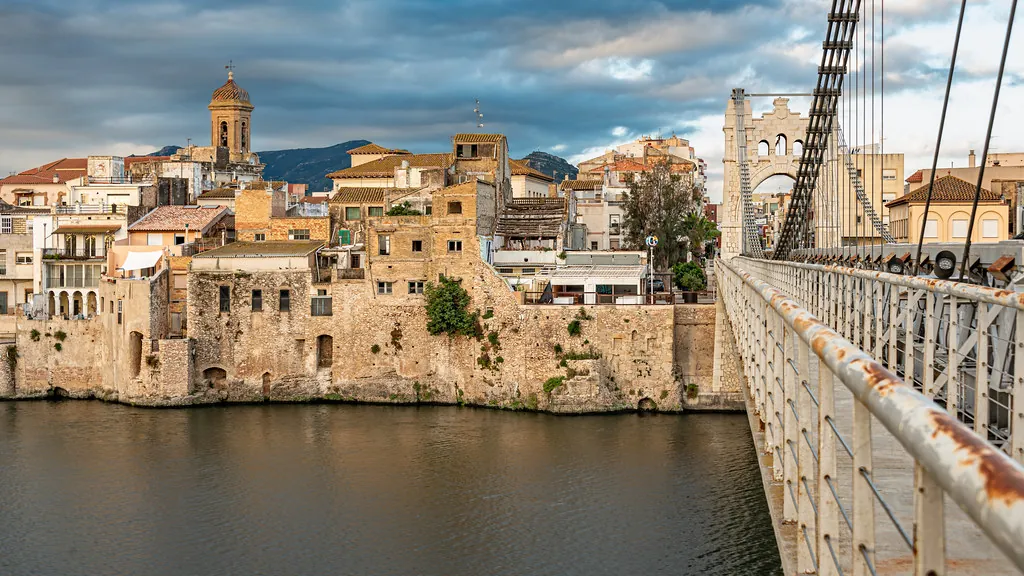
Key transport hub in the Ebro Delta, ringed by rice fields and fertile orchards.
Hide article Read full article
L'Aldea: El pueblo que se quedó con la llave del delta
L'Aldea es ese amigo que te dice que conoce un sitio genial, pero luego tarda años en darte las señales exactas para llegar. No está escondido a propósito, simplemente pasa desapercibido. Mientras el Ebro se abre camino hacia el mar, este pueblo de poco más de cuatro mil personas se queda con la llave de tierra firme. Aquí no hay rotondas decorativas ni oficinas de turismo abarrotadas. Hay tractores, calles anchas y el olor a arroz húmedo que lo impregna todo cuando sopla el viento del este.
Llegué por primera vez porque me perdí. Iba hacia la costa desde Tortosa y un desvío mal señalado me depositó aquí. Lo que encontré no fue una postal, sino el motor agrícola del delta. Gente con botas de agua, bares donde se habla de hectáreas y precios por quintal, y una torre vigía que parece preguntarte qué haces allí.
Un latido marcado por el agua y el arroz
La vida aquí tiene un compás distinto. No lo marca el semáforo, sino la inundación de los campos y la migración de las aves. El pueblo está tan plano que a veces crees ver cómo se curva la tierra. Todo son rectángulos de agua, canales y esos caminos de tierra entre parcelas donde aparcar el coche para mirar el horizonte es parte del plan.
El centro es funcional. Calles para vivir, no para decorar. Hay algún bar donde a media mañana todavía se ven chupitos de orujo sobre la barra, junto a las facturas del regadío. La gente es amable en ese modo catalán de pueblo: te observan primero, y si les hablas en un castellano tranquilo o sueltas un "bon dia", la cosa cambia. No esperes inglés. Aquí ni siquiera los carteles del supermercado lo tienen.
Su verdadero valor es geográfico: estás dentro del delta del Ebro, pero no en la parte postcard para visitantes. Estás en la trastienda donde se cultiva lo que luego comes en los restaurantes costeros.
Qué hacer cuando ya has aparcado
Sube a la Torre de la Ermita. No es una gran hazaña, es una cuesta corta. Pero la recompensa es la mejor explicación posible de dónde estás: ves el mosaico infinito de arrozales, cómo serpentea el río Ebro antes de disolverse, y las barracas tradicionales como puntos en el mapa. Te sitúa.
La Ermita de Santa María está al lado. Es simple, sin grandes pretensiones arquitectónicas. Pero su gracia está en el banco exterior al atardecer. Ver cómo la luz baja pinta los campos de dorado es gratis y uno de los mejores espectáculos del lugar.
Pero vamos al grano: lo mejor no tiene techo ni horario de apertura. El delta es una zona húmeda de importancia europea, y eso aquí se traduce en pájaros. Muchos. Los flamencos son los más evidentes; manchas rosas sobre el agua que parecen irreales hasta que te acostumbras a verlos cada día. También hay garzas, aguiluchos, bandadas de pájaros que pasan en otoño como nubes con rumbo. Trae unos prismáticos aunque no seas un experto. Ver un flamenco a ojo desnudo es una cosa; verle el pico filtrando el agua mientras camina, otra muy distinta.
Comer: La razón por la que muchos vienen (y vuelven)
Aquí es donde L'Aldea gana por goleada. Estás en una de las zonas productoras de arroz más importantes del país. La paella es casi un tema secundario; lo suyo son los arroces caldosos y melosos hechos con lo que da el delta.
El arròs a banda es el plato estrella local. Un arroz con un caldo concentrado de pescado, azafrán y marisco. Se sirve a menudo con la "banda" (el pescado) aparte. Es contundente, sabroso y difícil de encontrar hecho así fuera de aquí. Otra apuesta local es la anguila del delta. Si superas el prejuicio inicial (sé que cuesta), probarla a la parrilla o en all-i-pebre es entender por qué sigue siendo un producto tan valorado.
No voy a nombrar restaurantes porque estos cambian. Mi truco: mira dónde aparcan los coches con barro en las ruedas sobre la una y media del mediodía. Donde coman los que trabajan los campos suele ser buena señal. Las raciones son para compartir y los precios no están inflados por la vista al mar (porque no hay).
Si puedes venir durante la época de cosecha (otoño), algunos sitios hacen menús especiales con las variedades nuevas del año. Es como catar el territorio en un plato.
Cómo moverse y no morir en el intento
Vamos a ser claros: necesitas coche. Punto. El transporte público llega como puede al pueblo principal, pero para moverte por los caminos entre arrozales o ir a alguna laguna concreta no hay alternativa real. Desde Barcelona son unas dos horas por autopista hasta la salida; desde Reus algo menos.
Conducir por aquí tiene su aquel: los caminos son rectos pero estrechos, hay que estar atento a tractores y ciclistas, y aparcar en L'Aldea no suele ser problema si evitas las horas centrales del día junto al mercado.
Para dormir, el pueblo tiene algunas casas rurales y apartamentos, pero no una gran oferta hotelera. Mucha gente se aloja en Amposta (un cuarto de hora) o Tortosa (media hora), donde hay más opciones. Sin embargo, dormir dentro del delta tiene magia: te despiertas con el sonido de las aves acuáticas y ves desde la ventana cómo cambia la luz sobre los campos inundados.
Cuándo ir sin achicharrarse o empaparse
Primavera (abril-mayo) y otoño (septiembre-octubre) son probablemente sus mejores momentos. El tiempo acompaña y las aves están más activas, ya sea criando o migrando.
El verano pega fuerte. Hace calor húmedo y aunque las mañanas temprano sean placenteras, el mediodía invita más a una siesta que a una caminata.
El invierno es tranquilo, algunos pájaros se han ido y puede llover, pero tiene su paz y los restaurantes sirven platos más contundentes perfectos para días grises.
Trae calzado cómodo que pueda mancharse de barro, protección solar aunque haya nubes (y créeme, la hay), y unos prismáticos decentes. Lo demás depende de si buscas silencio, un buen plato y ver cómo funciona realmente un paisaje hecho agua y arroz