FLYER LE PERA POETA DE GARDEL.jpg
Cataluña · Sea, Mountains & Culture

La Pera

Stone archways frame empty lanes. A single bakery shutter lifts at seven. By half past, the smell of *coca* dough drifts through La Pera’s only squ...

447 inhabitants · INE 2025
83m Altitude

Why Visit

Gala Dalí Castle of Púbol Dalí Route

Best Time to Visit

summer

Main Festival (September) septiembre

Things to See & Do
in La Pera

Heritage

  • Gala Dalí Castle of Púbol
  • Church of Sant Isidor

Activities

  • Dalí Route
  • Visit to the castle

Festivals
& & Traditions

Fecha septiembre

Fiesta Mayor (septiembre), Pessebre vivent

Las fiestas locales son el momento perfecto para vivir la autenticidad de La Pera.

Full Article
about La Pera

Municipality home to Púbol Castle (Dalí); charming stone village

Ocultar artículo Leer artículo completo

The Village that Sleeps While the Coast Shouts

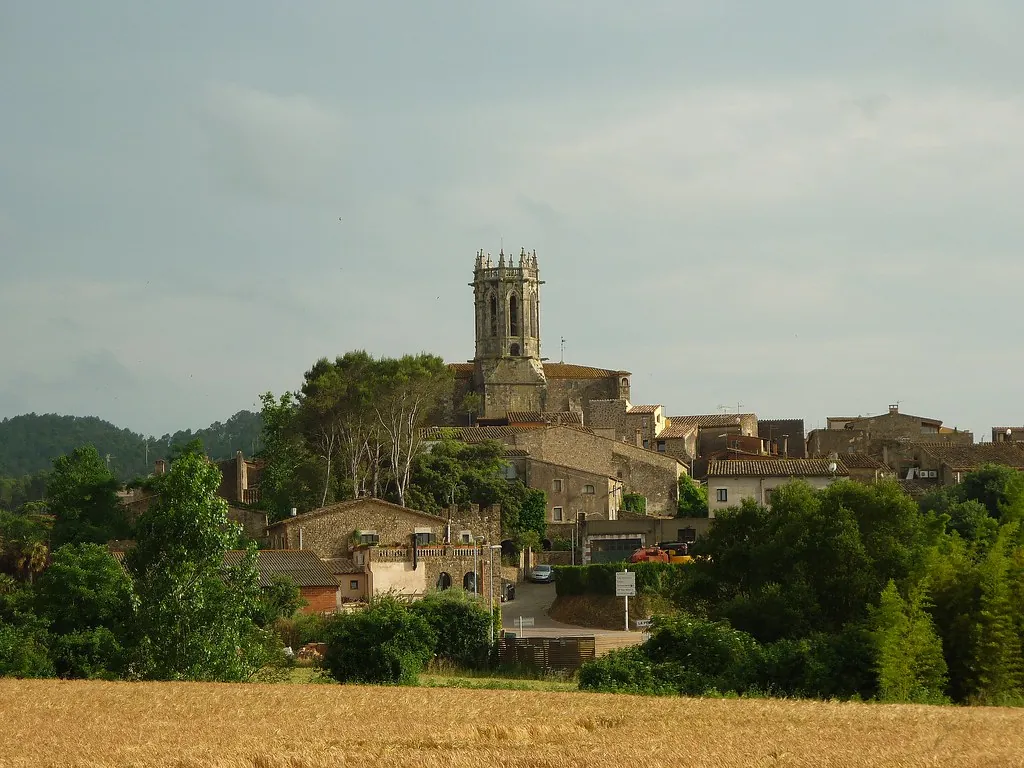
Stone archways frame empty lanes. A single bakery shutter lifts at seven. By half past, the smell of coca dough drifts through La Pera’s only square and vanishes—no queue forms, no mobile phones click. At 83 m above the Baix Empordà plain, this knot of honey-coloured houses watches the coastal motorway carry summer traffic towards busier beaches, and does absolutely nothing about it. That, paradoxically, is why people come.

The municipality counts barely 450 souls, yet its micro-climate of silence is a marketable rarity only 25 minutes from the Costa Brava’s towel-wrestling coves. Altitude knocks the edge off August humidity; evenings drop to a civilised 22 °C while Pals and Begur still swelter. In January you’ll need a fleece—Tramontana wind whistles across the cereal fields—but frost rarely lingers, so walking boots stay mud-free for most of the year.

Gala’s Castle and Other Non-Events

The single headline sight is Castell de Púbol, the slab-like 14th-century fortress Salvador Dalí bought for his wife Gala and filled with surrealist whimsy: a Cadillac in the courtyard, stuffed taxidermy bears, a crypt designed for two. Entry is €8, under-12s free, and tickets are timed to stop corridor jams. Visit on a Tuesday morning and you may share the long, shadowy armoury with six retirees from Perpignan. Try August after 11 am and you’ll shuffle round with coach parties who’ve mistaken “quiet interior” for “undiscovered”; galleries turn into a slow-moving sauna.

Back in the village itself, the parish church of Sant Pere keeps a lower profile. Romanesque bones survive inside a later Baroque skin; the bell you hear on the hour was cast in 1723 and cracked during civil-war shelling, hence its flat, oddly comforting clang. Climb the narrow lane behind the altar and you’ll reach a grassy ledge where the Pyrenees float above farmland like a cut-out stage set—best light is 7 am, before cereal stubble turns the hillside gold and bleaches contrast.

There are no souvenir stalls, no chilled San Miguel fridges, no flamenco playlists. Instead you notice practical details: stone water troughs still used by passing farmers, timber doors painted the same oxidised salmon you’ll see in Céret modern-art museum across the French border, iron knockers shaped like tiny hands. One lap of the walled core takes twelve slow minutes; repeat it after supper and you’ll start recognising the evening dog-walkers, the teenagers comparing football scores on a bench too small for three.

Eating (Early) Like the Neighbours

Local restaurants mirror the timetable of people who rise with the dew. L’Escola, housed in the old primary school, serves a three-course menú del dia for €22. Dishes arrive un-garnished: roast chicken scented with apple, a bowl of mongetes beans slicked in local olive oil, crème caramel that wobbles like a 1970s dinner party. Portions are calibrated for workers who’ve spent the morning tying tomato vines; if you prefer lighter plates, ask for half-size—mitja ració—and no one blinks. Book at weekends; Barcelona day-trippers have worked out that the kitchen holds a Michelin Bib Gourmand.

D’en Bahi opens only for dinner and shuts on Wednesdays. The menu mixes Catalan staples with safe bets for fussy teens: vegetarian risotto, pork fillet with chips, a respectable cheddar swap if goat’s cheese feels one step too far. House red—vi de la casa—comes in a glass jug and costs less than a London latte. Last orders are taken at 21:30; the chef locks up promptly because he’s up at five to collect fish in Palamós market. Arrive late expecting Spanish midnight buzz and you’ll go hungry.

Paths for People Who Don’t Buy Lycra

The countryside around La Pera is rolling rather than heroic. A web of farm tracks links cereal plots, cork-oak woods and isolated masías whose sandstone walls glow peach at dusk. Signposting is informal—look for yellow dots painted on drain covers—so pick up a free map in the castle ticket office. A gentle 7 km loop south to the hamlet of Pedrinyà takes ninety minutes; you’ll share the track with the occasional tractor and a chorus of cuckoos. Spring brings poppies thick as confetti; autumn smells of fennel and freshly turned soil. Summer walkers should start by eight: shade is scarce and the route offers no café pit-stops.

Road bikers rate the C-66 shoulder east towards Monells: smooth tarmac, wheat horizons, vineyards belonging to Empordà DO cellars who’ll open for tastings if you phone ahead. Mountain bikers find firmer fun in the Gavarres hills, twenty minutes’ drive north; from La Pera itself it’s all farmland, fine for hybrids but tame for adrenaline addicts.

Getting Here, Getting Out

Girona airport, 35 minutes away, hands Ryanair passengers from Stansted, Manchester and Bristol straight onto the AP-7. Hire cars are essential: the last bus from Flaçà passes La Pera at 19:10; miss it and a taxi costs €25. There is no petrol station in the village and no cash machine—stock up in Flaçà before you arrive. Parking is free on the eastern approach; don’t attempt to squeeze between medieval walls: door mirrors are exactly medieval-width plus a scratch.

Day-trip arithmetic is kind. Girona’s cathedral city needs a morning; add La Pera for a slow lunch and you still reach Begur’s Sa Riera beach by four. Alternatively, flip the order: sea-side breakfast, castle at midday when tour groups drift elsewhere, village siesta, then sunset walk among the barley. Either way you’ll cover coast and interior without feeling the schedule bite.

The Catch in the Calm

Honesty requires mentioning the downside. High summer weekends now see thirty-odd cars lined along the road to Púbol; inside the castle you’ll queue for the loo. Wednesday is a ghost day—both restaurants close, bakery shuts at noon, and the only open business is the agricultural co-op selling rabbit feed in 20 kg sacks. Mobile reception on Vodafone or EE is patchy; download offline maps before you leave the main road. And if you crave nightlife, forget it—night jars and the church bell are the sole soundtrack after ten.

Yet that is the trade-off La Pera demands: surrender the urge for constant stimulus and the village repays you with instant decompression. No karaoke bars, no souvenir tea-towels, no inflatable flamingos—just stone that has warmed slowly all day exhaling its heat after dusk, while swallows stitch the sky overhead. If that sounds too quiet, the Costa Brava is twenty-five minutes south and waiting to shout.

Key Facts

Region
Cataluña
District
Baix Empordà
Coast
No
Mountain
No
Season
summer

Planning Your Visit?

Discover more villages in the Baix Empordà.

View full region →

More villages in Baix Empordà

Traveler Reviews