
Full Article
about Palafrugell
Shopping and tourist hub with famous coves; birthplace of Josep Pla and of the habaneras.
Hide article Read full article
A town that smells of cork and sea
Your first time driving into Palafrugell can throw you off. You follow the signs, end up in a town square with stone benches, and there's not a hint of sea air. Just the smell of baking bread from a pastisseria. But underneath it, there's something else—a dry, woody scent that sticks in your nose. It’s cork. That smell tells you everything: this is a place with one foot in the forest and the other in the water, even if you can't see the latter yet.
It’s a split personality, and it defines everything here. Palafrugell isn't one single thing to visit; it's more like managing a small portfolio of very different villages.
Five villages, one council
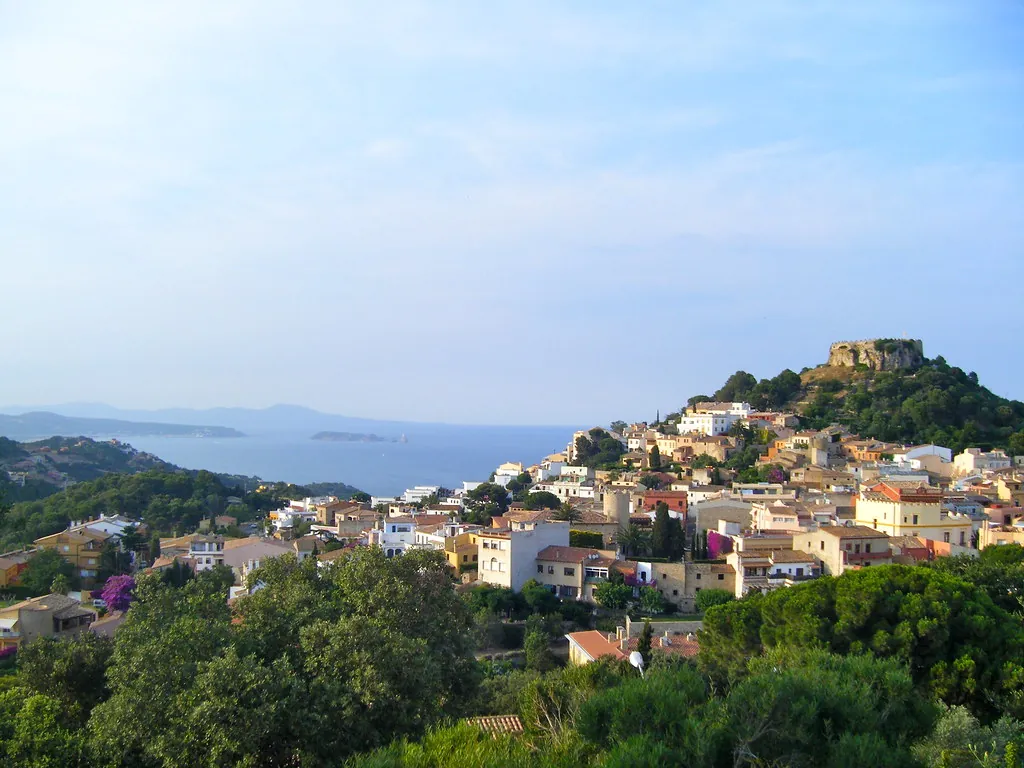
Officially, it’s one municipality. In practice, you're dealing with five distinct spots. Three are glued to the coast: Calella de Palafrugell, Llafranc, and Tamariu. Two are inland: the main town of Palafrugell itself, and the tiny hamlet of Llofriu.
The good part is you don't have to pick just one. You can have a mid-morning xuixo—that sugar-dusted cream puff that’s basically legal crack—in the town centre, and be dipping your toes in the sand at Calella's Canadell cove ten minutes later. That beach looks like it walked out of a brochure, but somehow it doesn't feel fake.
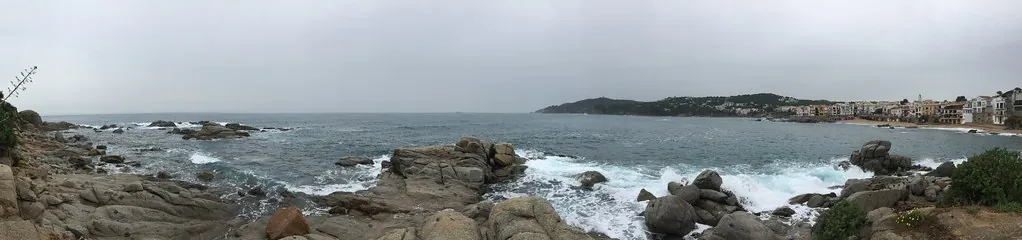
Everyone says the coastal path from Calella to Llafranc is an easy three-kilometre stroll. They're technically right, but they're leaving out how long you'll stop. You'll pause for photos of every rocky inlet that looks like your own secret discovery (it isn't), and to watch old men playing botxes in a dirt patch by the sea. By the time you reach Llafranc's harbour, your shirt is stuck to your back and your pockets are full of "interesting" pebbles you'll definitely throw away when you get home.
The cork museum that’s actually worth it
A museum dedicated to cork sounds like homework. The Museu del Suro is not that. It's set in an old factory where they actually processed the stuff, and the smell—that same dry scent from the town—is still faintly there.
Walking past these huge, greasy machines from another century makes it click: this was Silicon Valley before tech. Before plastic killed everything, this spongy bark was what put this place on the map, shipping stoppers to vineyards across the globe. They sometimes hand you a little piece of cork as you leave. You'll lose it within a week, which feels weirdly appropriate for an industry that mostly vanished.
The lighthouse with all the air
The Sant Sebastià lighthouse doesn't just sit on the coast; it lords over it from 165 metres up. The climb to get there is a proper calf-burner on a hot day—the kind where you start questioning your life choices halfway up.
But then you get to the top and forget all about it because someone has turned off gravity or something. The view is stupidly big. You get the whole wrinkled coastline laid out like a map, from Begur to Palamós.
There's a famous hotel right next to it where dinner costs about as much as a new bicycle tyre. The secret is that you don't need to eat there to get the view; just bring your own water bottle and sit on one of those low walls around its terraces for free.
When they sing by the boats
If you're here around early July—check dates online because they shift slightly each year—Calella's Port Bo harbour does something special for one night: La Cantada d'Havaneres.
I know what you're thinking: "old-timey maritime songs." So did I. But then dusk falls and hundreds of people pack together shoulder-to-shoulder while boats bob with lanterns nearby . These powerful harmonies roll over everyone from this simple stage by water . It stops being something you watch ; suddenly ,you're inside it .
Then someone yells "cremem el rom!" They pour rum into giant pots ,add sugar ,and set them ablaze . Flames shoot up high enough make everyone take half-step back before shuffling forward again holding out little ceramic cups . If yours came empty ? Well ,you learn fast for next year .
Skip August if possible
Palafrugell has two speeds . In August ,it feels like someone opened all doors at once . Coves fill by mid-morning ; parking becomes extreme sport ; everything hums with high-season buzz similar being stuck busy ring road . Come June or September instead . You might actually find space towel smaller spots like Pedrosa (though still get there early) . Pace slows back down something resembling normal life .
A solid day here goes like this : Grab bread bakery town (ones without English menus usually better bet) maybe some local cheese inland shop near Llofriu then walk down through pines until hitting cove . When bad weather hits need break sun head Fundació Josep Pla town centre quiet refuge dedicated writer who documented corner Empordà obsessively cool calm full meticulous notes perfect antidote too much beach .
Palafrugell isn't trying be Costa Brava most dramatic secret prettiest postcard Its thing quieter than waking powdered sugar shirt xuixo carrying faint cork smell clothes even after leaving knowing here forest hills bright blue coves happily coexist always politely keep their distance