Full Article
about Regencós
Small medieval village near Begur; known for its tile and pottery tradition.
Hide article Read full article
Regencós: Cuando el GPS dice "has llegado" y tú miras alrededor
Llegar a Regencós es una de esas cosas que pasan casi sin querer. Vas por la carretera del Baix Empordà, entre campos abiertos, y de repente el navegador suelta un "ha llegado a su destino". Miras: un grupo de casas de piedra en una loma tan suave que casi no cuenta como colina. No hay cartelón fotogénico, ni parking masivo. Es ese tipo de sitio que te hace pensar "¿y esto es todo?". Ahí empieza lo bueno.
Aparcas donde puedes (no suele haber problema) y entras caminando. El cambio de ritmo es físico. Dejas el ruido del coche y te metes en un silencio roto solo por alguna puerta que se cierra o una conversación baja en catalán. Viven unas 275 personas. Se nota.
El núcleo antiguo: más laberinto de lo que parece
En el mapa, Regencós es un punto. En la realidad, tiene más miga de la esperada. No es que sea enorme, es que está enrollado sobre sí mismo. Todavía quedan trozos de la muralla medieval y alguno de los portales originales. Te das cuenta cuando pasas bajo un arco de piedra y las calles se estrechan de golpe.
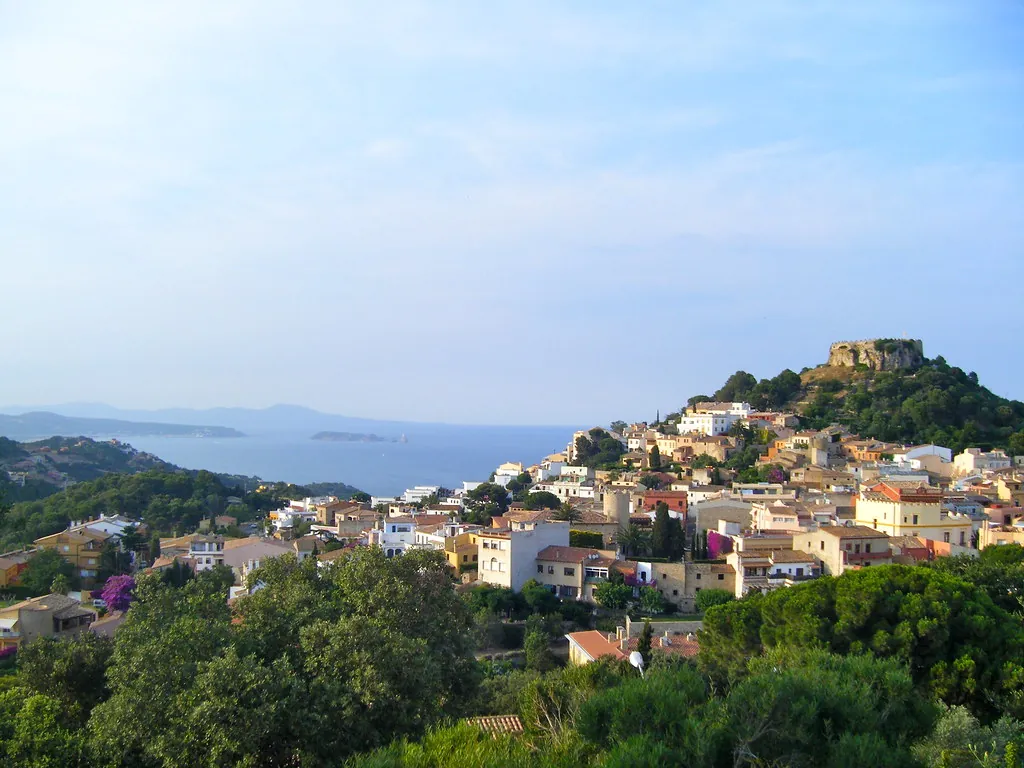
La torre circular del castillo es la referencia visual. Está ahí, en lo más alto, pero no como un monumento espectacular, sino como una parte más del pueblo, reconvertida en vivienda privada. No se puede entrar, pero acercarte sirve para entender la planta del lugar: todo apretado alrededor, pensado para defenderse hace siglos.
Las calles son estrechas, con la piedra vista por todos lados. Ves dinteles trabajados, algún escudo borroso por el tiempo y ventanas que parecen de épocas distintas. No es un decorado perfecto. Hay casas impecables junto a otras con el yeso cayéndose. Eso le da credibilidad: es un pueblo vivo, no un museo.
La plaza Sant Genís (la de las dos sombras)
La iglesia de Sant Genís es el centro geográfico y social. Su campanario lo ves desde casi cualquier callejón, una torre cuadrada y práctica que sirve de faro para no perderte.
Delante está la plaza principal. Cuando digo que es pequeña, me quedo corto. Es del tamaño de una pista de pádel, con suerte. Tiene unos bancos, un árbol que da algo de sombra por la tarde y poco más. Pero funciona como el salón del pueblo. A mediodía puede haber alguien cruzando; al atardecer, está vacía y en silencio.
El momento interesante llega con la luz baja. La piedra amarillenta del Empordà se calienta con el sol de tarde y toda esa minúscula plaza cambia completamente. Es cuando te apetece sentarte y no hacer nada durante un rato largo.
Salir andando (o en bici) hacia ningún sitio en concreto
Lo mejor de Regencós empieza cuando sales de sus límites. Varios caminos rurales salen directamente del pueblo hacia los campos. Son esos senderos anchos, de tierra compactada, flanqueados por muros secos.
Uno bastante claro lleva hasta Begur caminando unos kilómetros entre cultivos –viñas, olivos– y alguna subida suave donde, si tienes suerte con la luz, atisbas el mar a lo lejos.
Para bici es aún mejor terreno: carreteritas secundarias con muy poco tráfico fuera de julio y agosto (entonces se llena algo más). La gracia está en perderse sin miedo: todo va a dar a algún pueblo cercano o te devuelve aquí.
Esto define bien su situación: no estás en medio de la nada absoluta, sino en un punto intermedio perfecto entre el bullicio costero (Begur está a diez minutos) y la tranquilidad profunda del campo ampurdanés.
El vecino famoso vs tú
Regencós tiene al lado a Pals y Peratallada, dos pesos pesados del turismo rural catalán. La comparación es inevitable. Allí hay tiendas de souvenirs, terrazas llenas, y grupos con guía. Aquí hay… calles vacías. Y eso es precisamente su valor.
Vas a Pals, paseas por su muralla impresionante, te tomas un café entre gente, y vuelves a Regencós. La sensación es como salir de un centro comercial y entrar en casa: las dimensiones vuelven a ser humanas, el ruido desaparece, y recuperas tu ritmo. No compite. Simplemente existe aparte.
Fiestas y rutina (más rutina que fiestas)
Su evento grande es la festividad de Sant Genís, a finales de agosto. Es lo típico: una misa, alguna sardinada popular, música en la plaza para los del pueblo. Si coincides esos días, verás movimiento real. El resto del año, el tono dominante es la calma absoluta. No vayas buscando animación nocturna ni comercios abiertos hasta tarde. Aquí se cena pronto y se apagan las luces antes de las once.
¿Merece una visita específica? Depende. Si buscas monumentalidad y ambiente vibrante, te vas a quedar corto. Pero si llevas todo el día de pueblo-en-folleto en pueblo-en-folleto, Regencós actúa como un descanso necesario. Es honesto: no presume de lo que no tiene. Te ofrece sus calles estrechas, su torre redonda, su plaza minúscula y los caminos hacia los campos. Nada más. A veces eso basta