Full Article
about Santa Cristina d'Aro
Residential municipality with coast and mountains; home to the Magic Museum and dolmens.
Ocultar artículo Leer artículo completo
The church bell in Santa Cristina d'Aro strikes seven and the only other sound is a delivery van dropping crates of beer at the bar on Plaça Major. Thirty kilometres away, Platja d'Aro is already warming its sun-loungers and turning up the karaoke. Here, the morning routine begins with coffee at half the coastal price and a newspaper that still carries yesterday’s fish prices from Palamós.
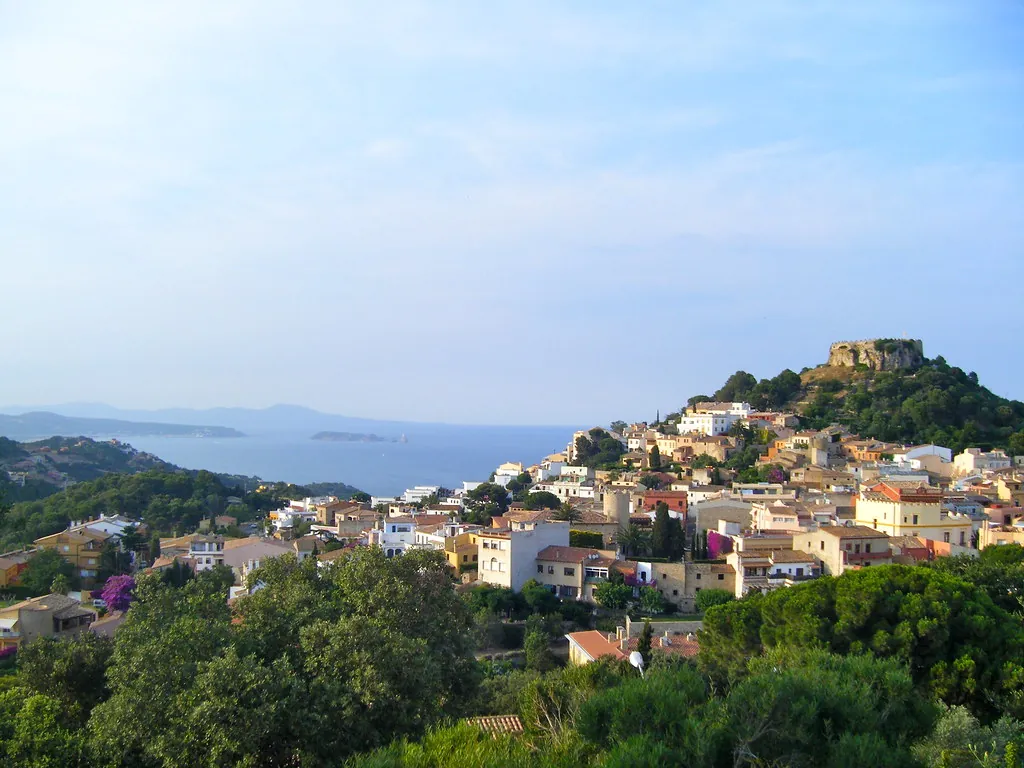
At barely 30 m above sea level, the village is low enough for the sea breeze to wander up the valley, yet high enough to escape the August traffic jams that clog the C-31. Pines and cork oaks spill down the hillsides and stop just short of the stone houses, giving the place the feel of a market town that forgot to grow. Population 5,664 in winter, swelling to perhaps twice that when the second-home gates swing open at Easter; nobody seems quite sure and the ajuntament doesn’t rush to count.
Between cork and coastline
The last century made its money from cork, not cocktails. Evidence is everywhere: magnolia-painted mansions on Carrer Major still carry the initials of families who shipped bottle stoppers to France, and the thick stone walls were designed to keep the heat out while the cork was stacked inside. When aluminium caps took over, the village simply switched to timber and textiles, then to commuters who preferred a quiet bed to sea-front disco beats. The result is a high street that sells bread and nails as well as inflatable dolphins, and a Saturday market where grandmothers queue for charcuterie while Surrey-registered 4x4s idle outside.
You notice the dual personality in the food. Can Xerta will serve you a full English if you ask politely, but the next table is sharing botifarra and beans at 09:30 without comment. Lunchtime menus hover around €14–16 and usually include a carafe of local Empordà wine; the denomination is small, so even the house bottle has a proper label and a cork you can sniff without embarrassment. Evening eating is more scattered: a couple of pizzerias, one ambitious tasting-menu place tucked into an old stable, and a Chinese that closes on Tuesdays. Book ahead in May and late July; at other times you can still walk in and claim the terrace.
Forests before fiestas
Walk 200 m past the football ground and the tarmac turns to sandy track. Signposts promise Castell d’Aro in 5 km, Calonge in 8, and if you carry on long enough you’ll bump into the GR-92 coastal path somewhere above Sant Feliu. The terrain rolls rather than soars—good for families who want a bike ride that ends with ice-cream rather than an ambulance. Take water between May and October; the cork-oak shade is generous but never total, and the streams dry to puddles by June. Mountain-bikers get more excitement: a spider’s web of single-track links abandoned stone farmhouses where you’ll startle wild boar rather than hikers.
October brings mushroom hunters in serious anoraks and wicker baskets. The town hall lays on set-price fungus menus during half-term, timing that suits British school calendars and the damp Catalan weather. If you’ve never foraged, sign up with a local guide—supermarkets sell porcini at €40 a kilo, so the woods are competitive and landowners protective.
A beach strategy, not a beach town
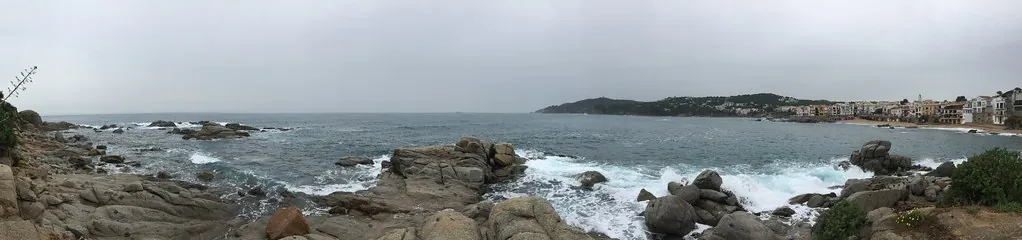
Santa Cristina has no sand of its own, and that single fact keeps the souvenir industry away. What it does have is a choice within ten minutes’ drive. Head south-east and you hit Platja d’Aro: two kilometres of fine, gently shelving sand, pedalos, loos, and a car park that charges €2.40 an hour from June to September. Arrive before 10:00 or after 18:00 and you’ll still find space; mid-August midday is purgatory.
For something smaller, continue past the golf course at Roca Llisa and drop down to Cala Canyet. The final road is single-track with passing bays; hire-car insurance suddenly feels relevant. The reward is pebble-and-sand coves where snorkelling beats sunbathing—bring shoes you can wet and a picnic because there’s only a seasonal chiringuito selling warm Coke. Locals tip the series of bays between Sant Feliu and Tossa de Mar as prettier still, but the same advice applies: pack supplies, take litter home, and don’t trust phone coverage if you need rescuing.
Getting here, getting out
Girona airport is 25 minutes away on the new dual-carriageway, which means you can leave Gatwick after work and be in the bar before the kitchen closes. Car hire is almost compulsory; buses exist but follow school hours, and the last service from the coast leaves at 19:15. High-speed trains stop at Caldes de Malavella, 17 km inland—handy for Barcelona commuters, less so for anyone with a suitcase and no pre-booked taxi (expect €35–40). Cycling transfers have become a niche business: several British tour firms will meet you with a van and throw the bikes on the roof if you’re planning a week of pedalling.
Leaving is easier than arriving. The AP-7 motorway back to France rarely clogs outside peak August Saturdays, and Girona’s departure lounge is small enough that 90 minutes before the flight feels decadent. Drop the car, buy a chorizo sandwich for the journey, and you’re airborne before the village has finished coffee.
When to bother, when to stay away
May and late September give you 24 °C days, 15 °C nights, and hotel prices 30 % below July. Easter is lively—processions, palm fronds, drums—but rooms fill with Barcelona families, so book early. August is reliable sunshine and reliable crowds; even the village pool issues colour-coded wristbands when capacity hits 200. Winter is grey, quiet, and cheap; some restaurants shut completely, others open only at weekends. It’s perfect for writing a novel, less so for entertaining teenagers.
Santa Cristina d’Aro will never compete with the whitewashed hill towns of Andalucía for drama, nor with nearby Cadaqués for artistic pedigree. What it offers is a place to leave the car windows open overnight, to buy tomatoes that still smell of soil, and to reach the Mediterranean’s most hyped coastline without having to live inside the hype. Bring wheels, modest expectations, and a tolerance for church bells on the hour. The village will handle the rest.