Full Article
about Torroella de Montgrí
Royal town with a medieval core and a coastal district (L'Estartit); castle on the hilltop
Ocultar artículo Leer artículo completo
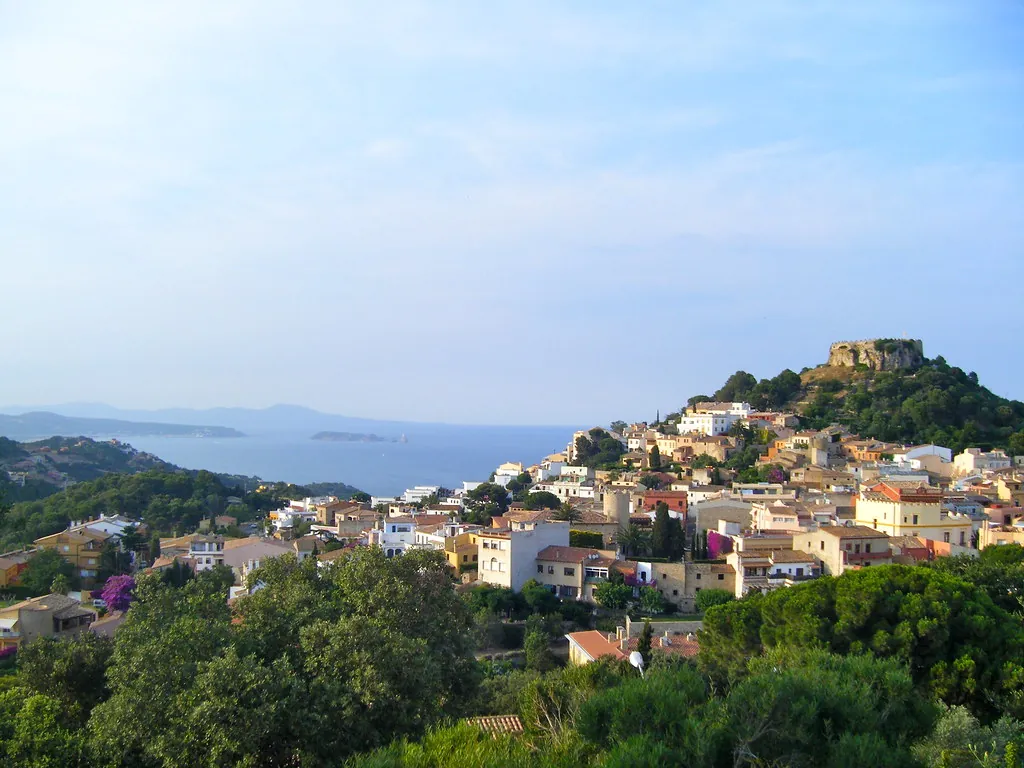
The castle above Torroella has never been finished. King Jaume II began it in 1294, ran out of money or enthusiasm, and left the ramparts to the wind. Eight centuries on, the hollow shell still crowns the 300-metre ridge, visible from every alley in the old town and from every sun-lounger on L’Estartit beach. It is the sort of landmark that makes you plot your day around the light: climb at dawn when the Empordà plain is a silver lake, or tackle it at sunset when the Pyrenees float like a paper cut-out on the horizon.
A Town That Turns Its Back on the Coast
That unfinished fortress sets the tone for Torroella: solid, slightly stubborn, decidedly land-focused. The municipality owns five kilometres of shoreline, yet the medieval centre sits five kilometres inland, safely upstream on the river Ter. Locals like the distinction. “Torroella és el poble, L’Estartit és la platja,” they say – the village is here, the beach is somewhere else. The arrangement means the narrow lanes around Plaça de la Vila stay busy in February, long after the last bucket-and-spade shop has pulled down its shutters down the road.
An hour’s stroll is enough to circle the grid inside the former walls. Renaissance stone balconies jut above bakeries, chemists and a shop that still repairs radios. The 16th-century church of Sant Genís keeps its doors open all morning; step inside and the air smells of candle wax and river damp. On Wednesday and Saturday the market colonises the same streets: white nets of onions, apples from the orchards that line the Ter, and fat botifarra sausages that travel well if you are self-catering.
Up on the Rock
The castle path begins behind the modern sports pavilion at the northern edge of town. Red-white flashes painted on stones are easy to miss while you are still chatting, so download the GPX file before you leave the hotel Wi-Fi. The climb takes fifty minutes if you are fit, eighty if you stop to swear at the loose scree. Take one and a half litres of water each; there is no café at the top, only the Tramuntana wind rattling through empty window arches.
The payoff is a 360-degree platform: north across apple terraces to the Pyrenees, south over the Medes islands, east to the Gulf of Roses, west along the Ter’s flood plain. On a clear April morning you can watch blossom drift across the water like English snow. On a hot August afternoon the haze reduces everything to pastel smudge and you will wonder why you did not start earlier. Stone shelters built by 19th-century shepherds give shade if the wind picks up; they are perfect for a picnic of market bread and local goat’s cheese.
Where River Meets Rice Meets Sea
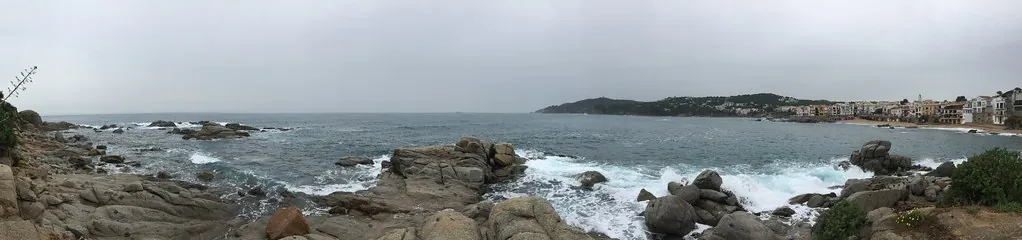
Down on the flat, the Ter splits into braids that irrigate the last rice fields on the Costa Brava. Spring and autumn see egrets and herons working the paddies; cyclists can follow the river cycle path almost to the sea without meeting a car. The route ends at Gola del Ter, a shifting sandbar where the river finally surrenders to the waves. From here it is a twenty-minute beach walk into L’Estartit, past holiday apartments that look identical until you notice the British number plates and the balcony washing.
L’Estartit’s main beach is wide, south-facing and mercifully free of the concrete promenade that blights larger resorts. The sand is coarse enough to stick to sun-cream but fine for a game of French cricket. Behind the front line of cafés, the pedestrian strip still hosts hardware shops and a small fishing fleet. At 17:00 you can watch the trawlers unload at the lonja; by 18:00 the catch is on ice in Can Blanch, a no-frills restaurant that will grill a whole sea bream for two to share at €18.
Underwater Cliffs and Kayak Caves
The Medes islands, ten minutes by boat, are the reason divers return year after year. Seven jagged pinnacles rise from a shelf that drops to 45 metres, feeding red coral, groupers and the occasional sunfish. Half a dozen dive centres along the harbour offer try-dives for beginners and nitrox for the serious. Book early in July; groups fill fast and the marine reserve limits numbers. If you prefer to stay dry, glass-bottom boats leave hourly, though the view can feel like watching someone else’s television on a choppy day.
Kayaks launch from the same quay. A two-hour guided paddle heads west below the limestone cliffs of the Montgrí massif, slipping into sea caves where the water glows emerald. The trip is gentle enough for teenagers but cancel if the tramontana is blowing; the wind can funnel through the caves and turn the return leg into a slog.
Seasons and Sensibilities
Torroella never closes, yet it makes seasonal sense. May brings wild rosemary scent on the ridge and temperatures perfect for walking; hotel rooms cost two-thirds of August price. September is warmer than an English July, the sea still 24 °C, and the rice harvest turns the delta gold. Winter is quiet, occasionally bleak, but the castle walk on a crisp January morning can feel like private ownership of the countryside. Only the fiesta major in mid-July clogs the streets; if you dislike brass bands at 02:00, book elsewhere that week.
Getting Here, Getting Fed, Getting Out
There is no railway. From Girona airport a taxi costs €55 and 45 minutes; the Sarfa bus is €8 but only four times daily. Car hire opens the interior: Figueres and the Dalí theatre are 35 minutes north, medieval Pals is fifteen south. Parking inside the walls is residents-only; use the free southern municipal car park beside the health centre and walk four minutes to the centre.
Food ranges from market picnic to Michelin star. For something in between, Can Xiquet on Plaça de la Vila serves grilled duck with chips and salad that keeps teenagers quiet. Rembrandt, despite the name, is run by a Belgian who understands parental desperation: mussels, spaghetti bolognese and proper mayonnaise. Dessert should be crema catalana, a chilled custard brûlée that tastes like home until you hit the hint of cinnamon.
Leave time for one last climb. The castle at dusk is windier, lonelier, lovelier. Below, streetlights flicker on across the grid; beyond, the sea turns pewter. The fortress may never be complete, but that feels appropriate. Torroella de Montgrí is not trying to finish the job for you; it simply offers the stone, the view and the choice of whether to keep walking.