Full Article
about Cervelló
Municipality of rugged terrain with historic ruins and caves
Hide article Read full article
A village that is already awake
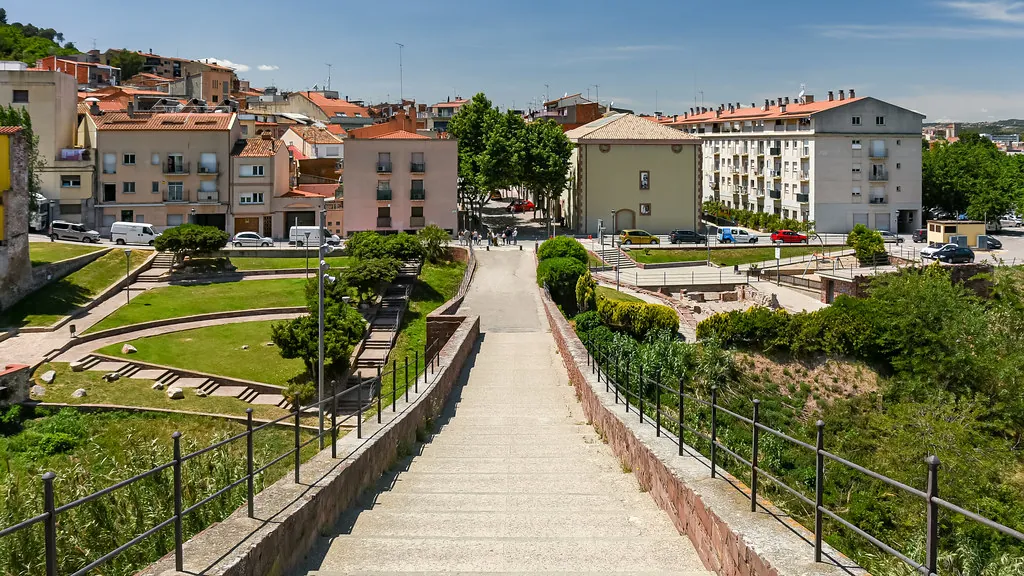
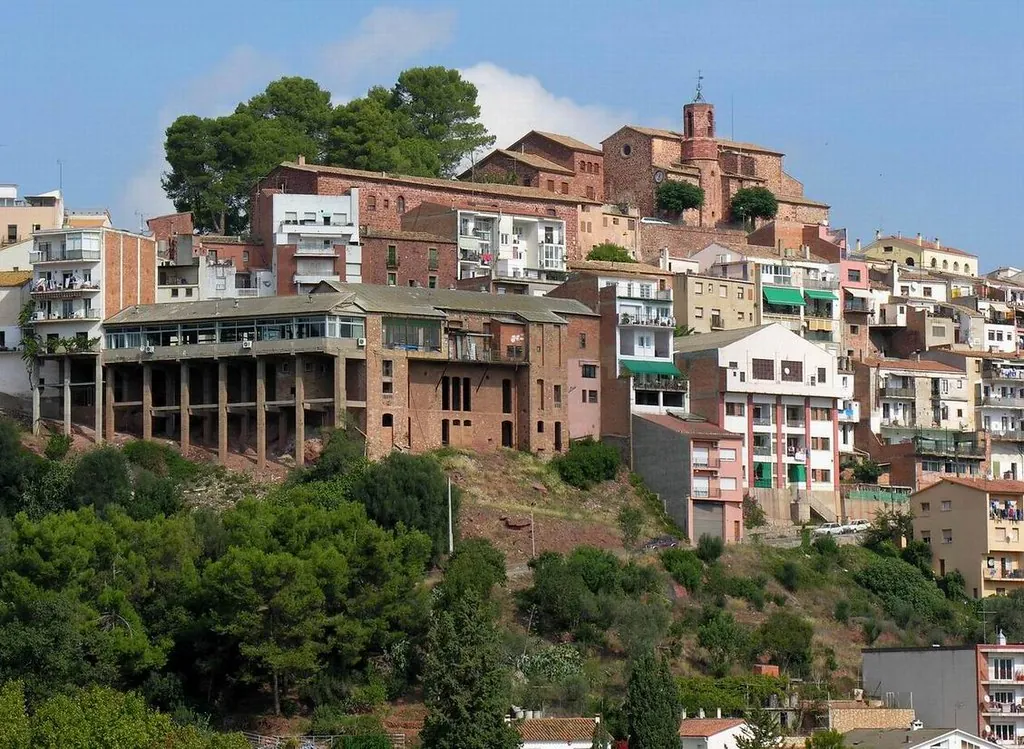
Some places take their time in the morning, like those friends who need three coffees before they can string a sentence together. Cervelló is not one of them. By nine o’clock there is the smell of fresh bread in the air and someone has switched on the radio in the square. If you are curious about tourism in Cervelló, that is the first impression: village life already under way while you are still wondering where to park.
It does not overwhelm at first glance. There is no dramatic skyline or headline attraction that demands attention. Yet after a few hours the thought creeps in: living here would not be such a bad idea.
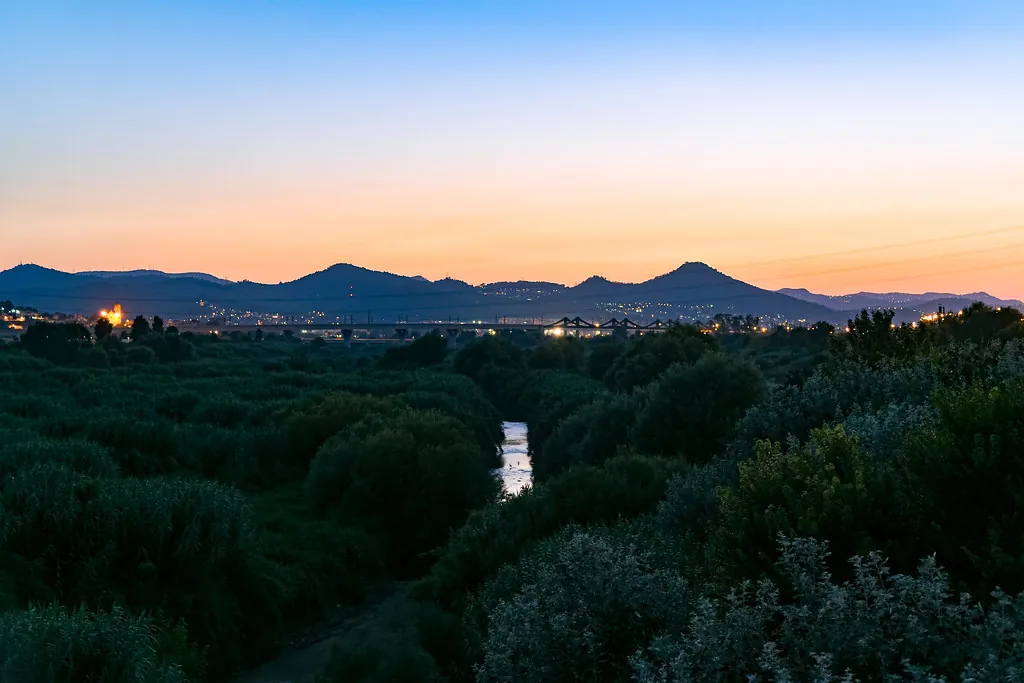
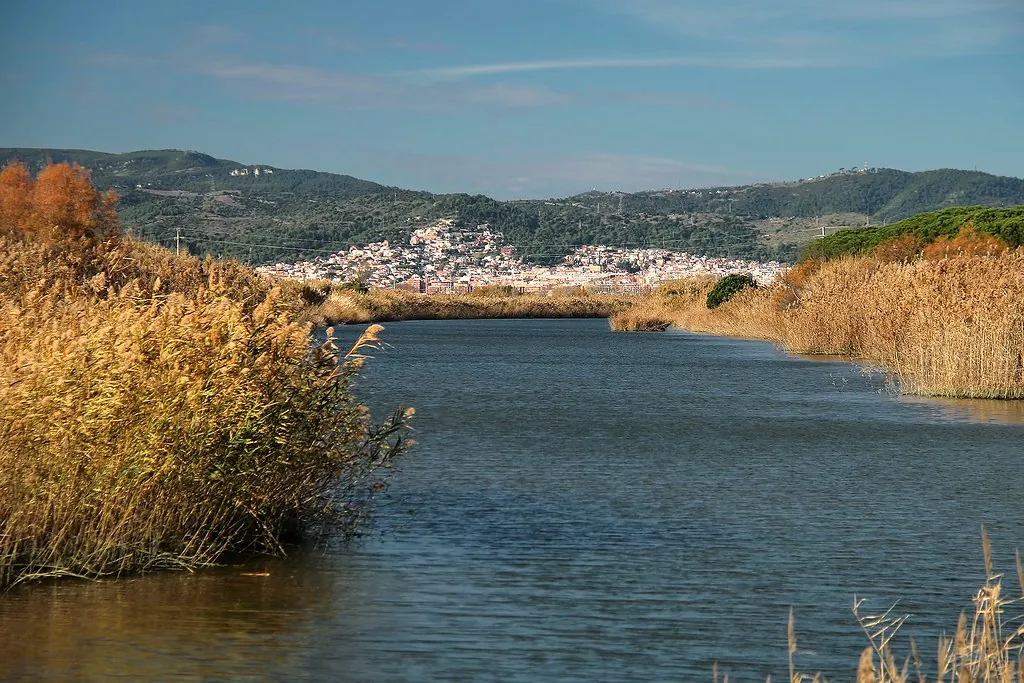
Cervelló sits in the comarca of Baix Llobregat, close to Barcelona, but it feels removed from the rush. The pace is steady, everyday, familiar. Streets where neighbours greet each other, routines that repeat daily, and a sense that things happen because they always have.
Sant Ponç, stone and centuries
Sant Ponç is like that relative who has always been around. No fuss, no noise, but once you stop and look you realise how much history is resting on those shoulders.
The monastery is usually dated to the 11th century, although documents from the 10th century already mention the site. For an area as close to Barcelona as the Baix Llobregat, that is significant. Roads have shifted, crops have changed and modern infrastructure has come and gone, yet this stone complex has remained where it was first established.
At first glance it might prompt a shrug. Another monastery, another Romanesque silhouette. Stay a little longer and the mood shifts. The walls are solid, the setting is quiet, and the overall feel is restrained rather than grand. It is not monumental in scale. It feels built to endure.
A straightforward walking route links the village to Sant Ponç. The distance runs to a few kilometres along forest paths and wide tracks, the sort of walk where you forget about the clock. The surroundings are green and open, with the occasional clearing that breaks up the trees. On arrival there is no elaborate visitor set‑up. A panel or two, plenty of silence, and the building standing in the middle of the landscape.
In spring the Aplec de Sant Ponç takes place. An aplec is a traditional Catalan gathering, part religious event and part local get‑together. On that day the atmosphere changes noticeably. Families arrive, people from the village gather, cars are parked wherever space can be found. It feels more like a pilgrimage than a postcard scene, with conversation and movement replacing the usual calm.
Josep Tarradellas, still “one of ours”
In Cervelló, the name Josep Tarradellas does not sound distant or abstract. He is not simply a figure from history books. Here he is spoken of as someone who belonged to the place.
Tarradellas, who served as President of the Generalitat of Catalonia during the 20th century, was born in Cervelló. The house where he was born stands on carrer Major. Without being told, it would be easy to walk past without a second glance. It looks much like the other houses along the street, typical of towns in the Baix Llobregat.
Each year, around the anniversary of his birth, there is usually some form of remembrance. Nothing grand or theatrical. A small act, perhaps flowers, a few words, neighbours who still refer to him as “el nostre president”, our president.
Then there are the stories that surface in everyday conversation. That he returned when he could. That he greeted half the village. That he bought bread like anyone else. It is hard to know how much comes from lived memory and how much from oral tradition, but these anecdotes are part of the local narrative. In Cervelló, history is folded into daily life rather than placed behind glass.
Beneath the surface: Cueva de la Roca
Reading about the Cueva de la Roca, it might sound modest. A cave, a signpost, something minor. The impression changes once you descend.
The cave has a considerable underground route and several spacious chambers, with ceilings that can catch you off guard if you are not used to moving below ground. This is not a casual stroll. Entry is normally done with people who know the cave and the terrain well.
That is part of the appeal. Only a few kilometres from the metropolitan area of Barcelona, the setting shifts completely. Inside the cavity there is silence, the sound of water dripping, torchlight reflecting off damp rock. The contrast is striking. One moment you are in a densely populated region, the next you are in a subterranean space that feels removed from everything.
It adds another layer to Cervelló. Not just streets and stone, but geology and shadow as well.
Food without performance
In Cervelló, as in much of the Baix Llobregat, food tends to be straightforward. Butifarra con mongetes appears frequently on menus. This classic Catalan dish pairs a grilled pork sausage with white beans. In places like Cervelló it still carries the air of home cooking. Filling, unfussy, built on flavour rather than presentation.
Coca de recapte is also common. It is a flatbread topped with roasted vegetables and sometimes cured meats. Served hot, it often burns more than expected, and is eaten carefully at first before impatience takes over.
In autumn, as All Saints’ Day approaches, panellets begin to appear. These small almond-based sweets are typical of the season. Ask around and each household will insist theirs are made differently, and that their recipe is the correct one. The debate has been running for years and shows no sign of ending.
The overall approach to food is direct. Generous portions, olive oil used without hesitation, little interest in reinvention. Meals are there to be enjoyed rather than photographed.
When to go, and how to take it
Spring is often a good time to consider tourism in Cervelló. The surrounding woodland is greener, and walks in the area are easier than in the height of summer. The route to Sant Ponç, for example, feels particularly pleasant when temperatures are moderate.
Late summer and early autumn bring more activity, with local festivals adding music and life to the streets. There is a sense of movement and shared celebration, with people spending more time outdoors.
August can be hot, as in much of inland Baix Llobregat. In winter the rhythm slows. Fewer people, shorter days, and plans that often amount to a walk followed by something warm to drink.
Cervelló is not a place for ticking sights off a list. It works better without a strict itinerary. Arrive in the morning, wander through the urban centre, make your way towards Sant Ponç if the mood takes you, listen to the conversations in the square.
Nothing insists on being seen. Nothing demands attention. Yet by the time you leave, the steady pulse of the village has likely made its case.