
Full Article
about Corbera de Llobregat
Known for its Living Nativity and its large, wooded municipal area.
Hide article Read full article
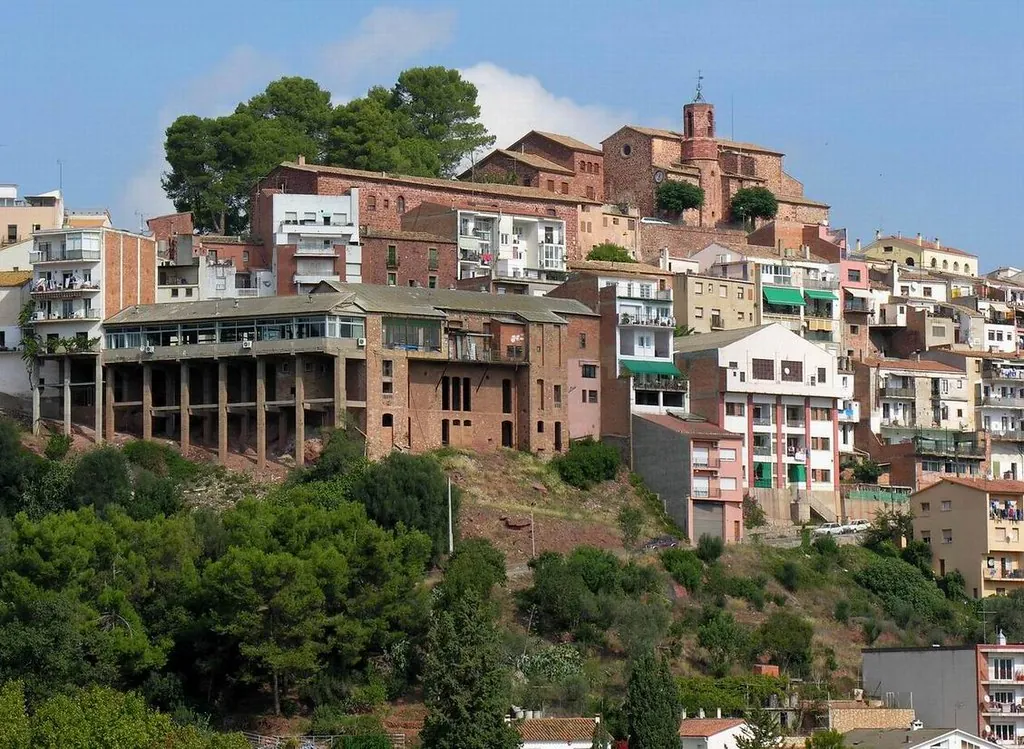
At seven in the morning, Corbera de Llobregat rings with bells. The sound rolls down from Sant Ponç and rebounds off the stone rooftops of Corbera de Dalt, still in shadow. The streets are empty. The air carries two clear scents: warm bread and the damp earth left by the night.
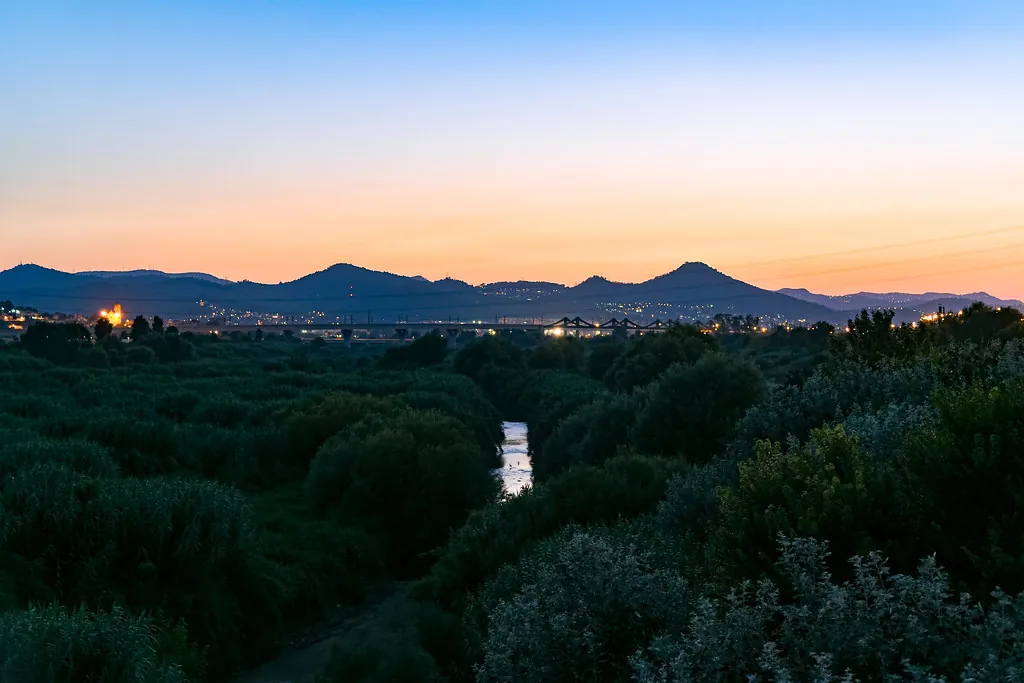
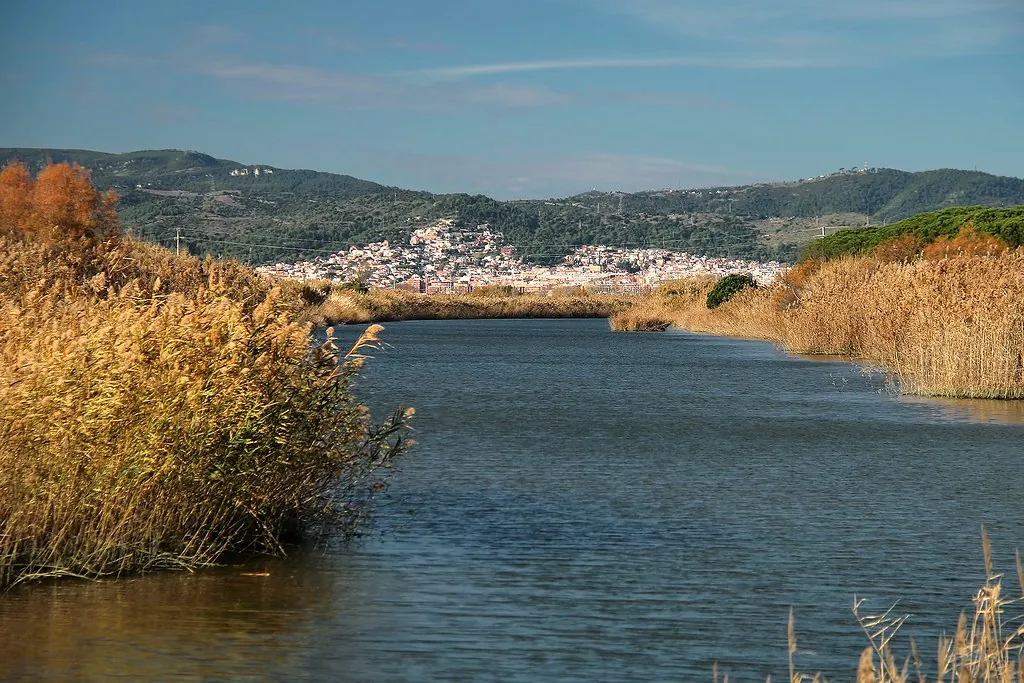
From the castle viewpoint, the Baix Llobregat spreads out in muted green layers. Further off, Barcelona appears as a faint grey strip between haze and buildings. The stone walls up here hold the cold even in August. Many local residents make the slow climb on Sunday mornings, taking their time to recover their breath after the slope of Sant Pere.
Corbera de Dalt and the climb to the castle
The ascent is short, around a quarter of an hour at an unhurried pace. The gradient is steady and the ground is made of rounded stones, worn smooth by centuries of footsteps.
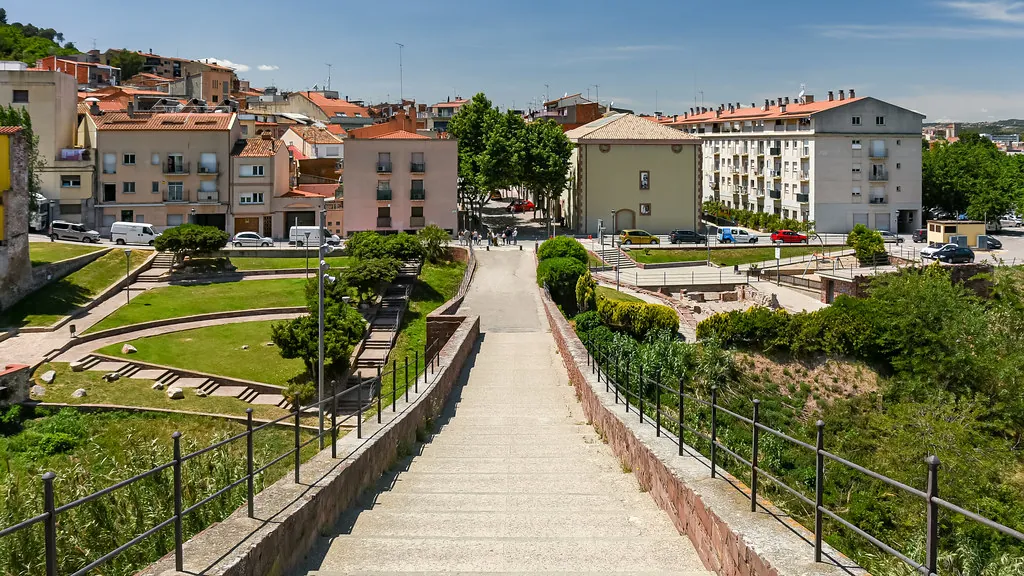
Houses press close together. There are wrought iron balconies, green shutters that bang when the tramontana wind blows, and cables stretched from façade to façade. At certain corners, old street plaques still display traditional Catalan spellings.
The old quarter retains an almost defensive layout. Narrow streets twist without warning. Small arches link one house to another. Squares are so compact they can only hold a few benches. In Plaça Major stands the fountain of Sant Joan. Its stone is worn down and the water falls with a thin, steady sound. A sign has long warned that it is not potable.
Below, Corbera de Baix runs at a different tempo. The streets are wider. Traffic is constant. Brick apartment blocks rose here when the valley began to fill with people commuting to Barcelona or working in nearby factories. Even so, the weekly market remains a meeting point, and in the mornings the smell of pa de pagès, the traditional round country loaf of Catalonia, drifts out from several neighbourhood bakeries.
The road to Sant Ponç
The church of Sant Ponç stands apart from the main settlement, surrounded by meadows and fields. The road passes through almond groves that turn white with blossom in February. The sweet scent is noticeable even from inside a car with the window lowered.
The Romanesque building is sober, constructed in pale stone. Its apse is built from large, carefully fitted blocks. Inside, fragments of medieval wall paintings survive. The figures are simple, with large eyes and dark outlines. When sunlight enters through the apse window, the tone of the stone shifts and the church feels quieter still.
Near the path, half hidden by vegetation, lies an old pou de glaç. This is a well dug into the rock, once used to store compacted snow during winter. Today it remains as a circular hollow coated in moss. Lean over the edge and the air inside feels unexpectedly cold, even in summer.
December at Les Penyes dels Corbs
In December, the landscape of Les Penyes dels Corbs takes on a different role. Among the reddish rocks, the Pessebre Vivent de Corbera is staged. This living nativity scene has been celebrated for decades and involves a large part of the town.
The route advances slowly between scenes lit by torches and small bonfires. Shepherds wear thick skins. Children appear as angels with painted cardboard wings. The audience walks in silence along dirt paths. Footsteps are audible, as is the wind moving through the pines. At times, a distant dog barks.
The setting is outdoors and closely tied to the terrain. The reddish stone, low vegetation and uneven ground shape the atmosphere as much as the actors do. It is a collective effort that transforms a familiar hillside into a sequence of biblical scenes, without altering its natural contours.
Paths between masías and dry stone
Several routes thread around the municipality, linking old masías scattered across the low mountain range. A masía is a traditional rural farmhouse typical of Catalonia. Some are still inhabited. Others are partly covered in ivy or converted into second homes.
Along the edges of these paths stand barracas de viña built from dry stone. These small structures are usually circular. Inside, the temperature remains stable and the scent blends dust, lime and old wood. They were used to store tools and to provide shelter when the weather turned during work in the vineyards, before phylloxera reshaped the agricultural landscape of the area.
As evening approaches, light falls sideways across these slopes. From the Creu Nova, at the top of the Sant Miquel hill, the Llobregat valley looks like a wrinkled surface. The motorway lies far off, reduced to a thin thread of tiny moving cars.
When to visit Corbera de Llobregat
At certain times of year, Corbera’s calm shifts. Weekends in December and some autumn days draw larger crowds due to popular events. Anyone seeking quiet is better off visiting during the week.
Spring is usually a good season for walking the surrounding paths. Almond trees are in bloom and the air is still cool. In summer, it makes sense to set out early. First thing in the morning, the stone in the old quarter remains cold and the village has yet to fill with cars climbing up and down the slopes.
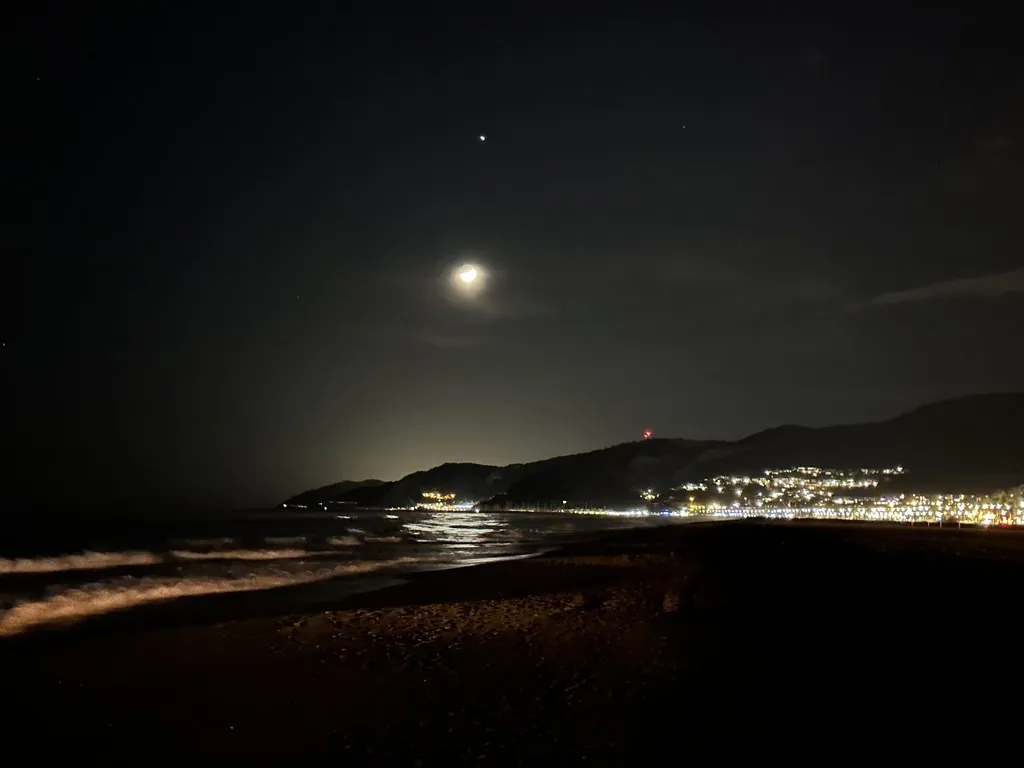
When night falls, the lights of Corbera de Baix begin to switch on one by one in the valley. Above, the castle ruins remain in shadow against the sky. The general noise level drops. What carries instead is the distant echo of a bell and the wind moving through the narrow streets. Time here feels measured differently, closer to the ground than to the clock.