Full Article
about Cornellà de Llobregat
Dense metropolitan city with industrial heritage and parks
Hide article Read full article
The metal shutters on the Rambla rattle upwards just after seven. The sound is specific to working towns, a sharp, rolling echo that follows the smell of strong coffee and toasted bread. This is not where you come to escape a city; it’s where you step into the rhythm of one that has grown from its fields.
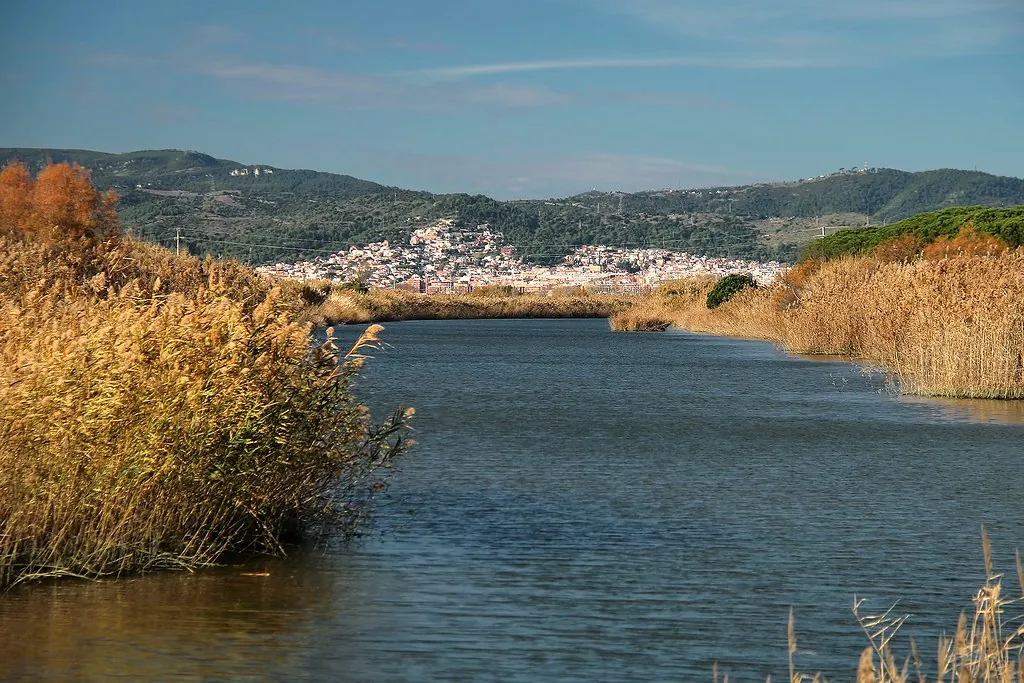
Tourism in Cornellà de Llobregat isn’t a separate track. With over 90,000 people, it functions for them. Its pace still carries the memory of the Llobregat delta, a landscape of market gardens and masías that was gradually stitched into Barcelona’s metropolitan fabric. You feel that duality here: the wide, practical streets built for industry and commuting, and the stubborn pockets where an older cadence persists.
A Fortress in a Neighborhood
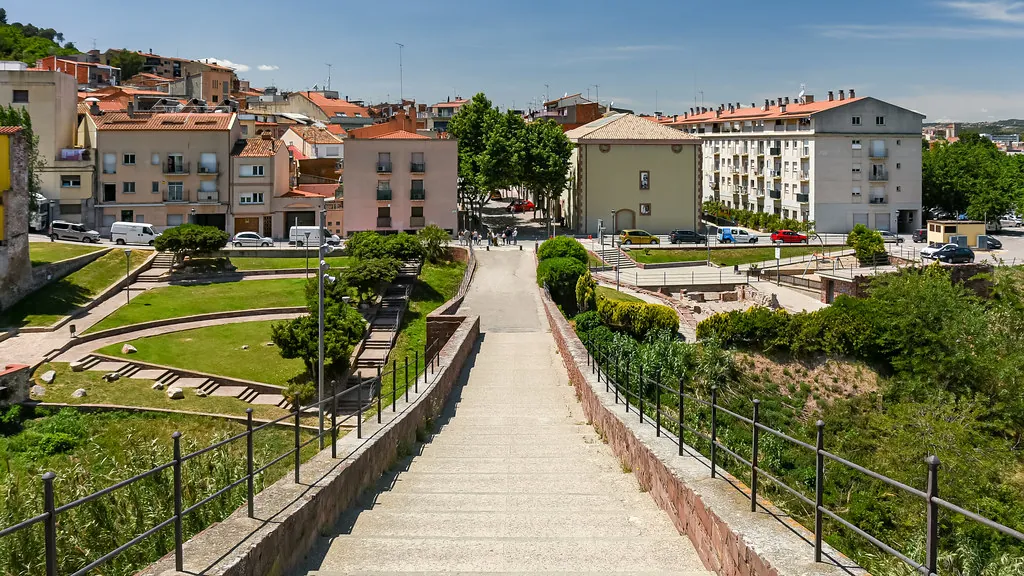
From the station area, the Castell de Cornellà appears as a knot of old stone tangled between brick apartment blocks. It doesn’t dominate the skyline. You have to walk towards it, up the gentle slope from the plaça de l’Església, where the air in spring might carry a thread of jasmine from a hidden patio.
It was a medieval fortress, later a residence, now a municipal space for exhibitions. Inside, a model shows the river winding through open farmland. Outside, in the small garden, the soundscape layers traffic from the nearby ring road with the call of a blackbird from a pine. The view from here is essentially urban, a panorama of rooftops and distant cranes that maps how completely the farmland was absorbed.
Marble in Municipal Light
The Town Hall holds two marble columns with caliphal-style capitals. Their origin story shifts depending on who you ask—Andalusia, perhaps, or an old private collection dispersed to public buildings. What’s certain is they are here now, in a sober administrative room lit by a high skylight.
A bright, white shaft of light falls on the tiled floor, moving slowly across it as the afternoon passes. People come and go from adjacent offices, most barely glancing at them. The columns have become part of the furniture, an quiet anomaly in a functional space. They feel both entirely out of place and completely settled, objects that travelled far to end up in the calm bureaucracy of a Tuesday morning.
The Sound of Gravel in Can Mercader
By late afternoon, the Parc de Can Mercader changes the city’s noise. The crunch of gravel under running shoes replaces engine hum. You hear the dry clack of petanque balls and, in the distance, the rumble of trains heading into Barcelona.
This was once the garden of a textile family’s estate. Their neoclassical mansion, white and slightly theatrical with its stone figures, presides over lawns and paths under plane trees and cedars. A pond draws carp to the surface if you stand still long enough; benches are occupied by grandparents with bags of bread for the ducks.
It gets crowded after five. For solitude, come in the early morning when dew still soaks the grass and the park feels expansive. The light is low and soft then, and the city’s edge seems farther away.
Where a Cinema Became Quiet
In La Riera neighbourhood, a building with the façade of a mid-century cinema now houses a library. They kept the name—Cinemes La Riera—over the door. Inside, where the stalls once were, there are now shelves and long study tables.
Older residents sometimes point to where the back rows used to be. On rainy days, which are infrequent but heavy when they arrive, a soft grey light comes through the tall windows. Students work alongside people reading the newspaper, all sharing a quiet that replaced the projector’s whirr. It’s a good place to wait out a storm.
Practicalities: Light and Traffic
Cornellà’s proximity to Barcelona means traffic. Friday afternoons on roads leading out of the metropolitan area are dense and slow. If you’re driving in, know that parking can be a patient exercise in the narrower streets near the centre.
Come on a Tuesday morning for the weekly market in one of the larger squares. The scent of clementines and fresh herbs cuts through the usual notes of diesel and pavement. In August, many shops pull their shutters down for vacation. The streets grow quieter, the heat holding on the asphalt into the night. That’s when you hear more Catalan than Spanish spoken on benches, see bicycles moving through the warm air long after dark.
This is not a destination you plan a week around. It’s a place you understand in passing, on your way to or from something else. You notice it in the laundry hanging from balconies in tight rows, in the evening games of petanque, in how quickly you can walk from a busy Rambla to a park where only birds are talking.