Full Article
about El Papiol
Town at the foot of Collserola, dominated by a lived-in castle.
Hide article Read full article
A village shaped by rock
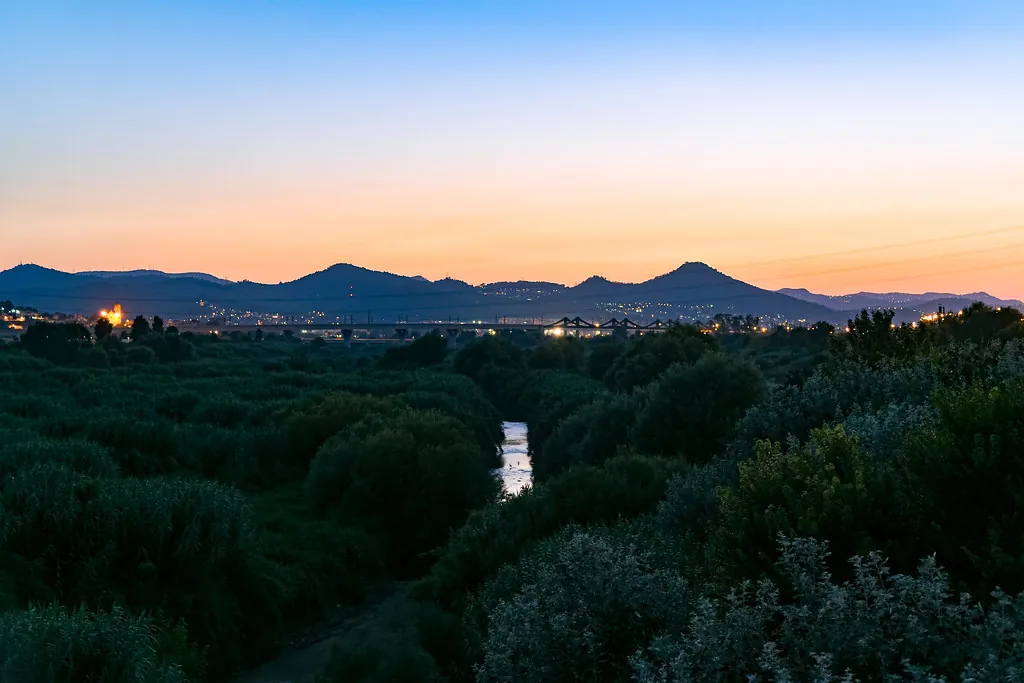
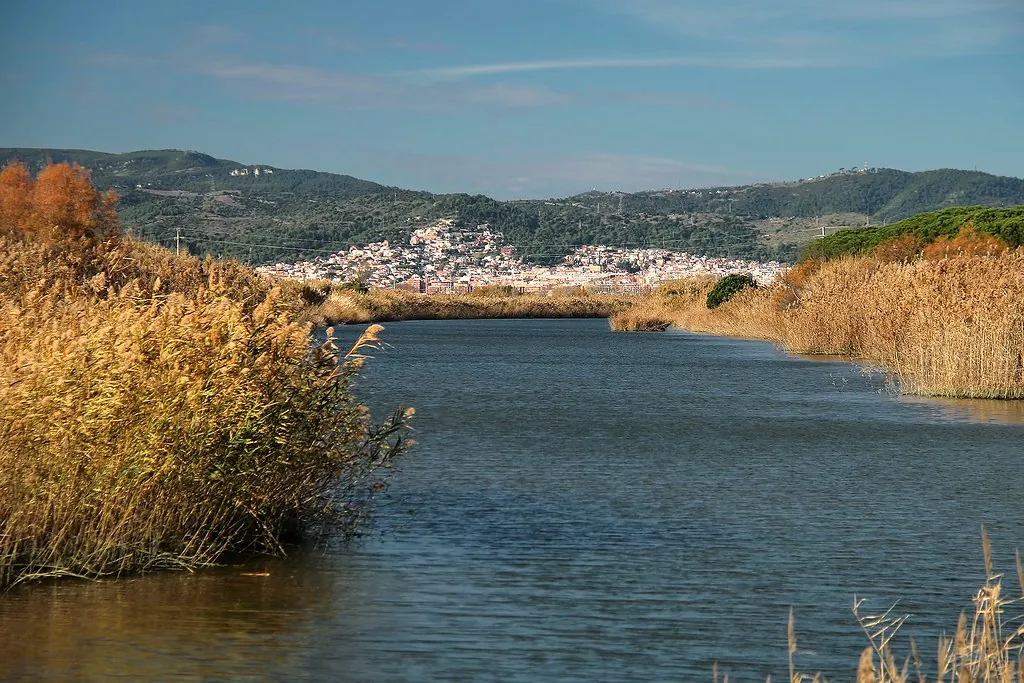
Tourism in El Papiol almost always begins with its castle. The fortress stands on a spur of limestone rock overlooking the Llobregat valley, and that close relationship with the terrain explains much about the village itself. The municipality is small and markedly hilly, with Puig Madrona as its highest point, and the old centre developed along the slopes that descend from the castle towards the valley floor.
It is not a large place, with only a few thousand inhabitants, yet its position between the Llobregat plain and the Collserola range has influenced local history from an early stage. The landscape sets the tone: steep, compact and closely tied to the surrounding hills.
A mountain that marked the frontier
The elevations around El Papiol have long served as natural lookout points. In the area of Puig Madrona, archaeological remains indicate occupation dating back to Iberian times. The reason is straightforward: from here it is possible to control the natural routes between inland territories and the coast.
The castle appears in early medieval documents, linked to the organisation of territory during the expansion of the Catalan counties. Like many fortresses along the Llobregat valley, it had a dual role. It functioned both as a defensive structure and as an administrative centre, overseeing movement along the route and supporting the repopulation of the surrounding land.
A major earthquake in the 15th century affected buildings across the region, including the castle. Later reconstruction gave it much of the appearance that, with further modifications and restorations, can still be seen today. Around it, a small settlement gradually took shape, eventually becoming El Papiol.
Agriculture still visible in the landscape
Although many residents now work outside the municipality, the surroundings retain a strong agricultural character. The Baix Llobregat area is well known for fruit and vegetable cultivation, and in El Papiol cherries have traditionally played a notable role.
When the season arrives in late spring, it is common to see boxes of fruit carried by growers or small temporary stalls appearing in the village. It is not a large organised event, but rather a sign that the harvest is underway.
Local celebrations reflect the scale and rhythm of a small community. Sant Antoni typically includes the passage of animals and carts, a tradition found across much of Catalonia. The festa major takes place in early autumn, bringing together cultural events, music and neighbourhood activities. These are occasions designed mainly for residents, though visitors are welcome to join.
Walking between rock and woodland
A significant part of the municipality extends into the Collserola range, so walking comes naturally in El Papiol.
One of the most common routes leads from the village up to Puig Madrona. The path passes through Mediterranean woodland and gains elevation fairly quickly. At the top, there are wide views over the Llobregat valley and, on clear days, across the metropolitan area of Barcelona.
Another well-known spot nearby is les Escletxes. These are rock formations where the stone has fractured, creating deep cracks and narrow corridors. The ground is uneven, and proper footwear is advisable, especially after rain. This is not an urban stroll but a small geological landscape that appears suddenly among pines and holm oaks.
The castle and the old centre
The castle remains the visual reference point of the municipality. Its current structure preserves medieval elements alongside later changes. From its elevated position, the view across the valley is extensive and helps explain why this site was chosen for a fortress.
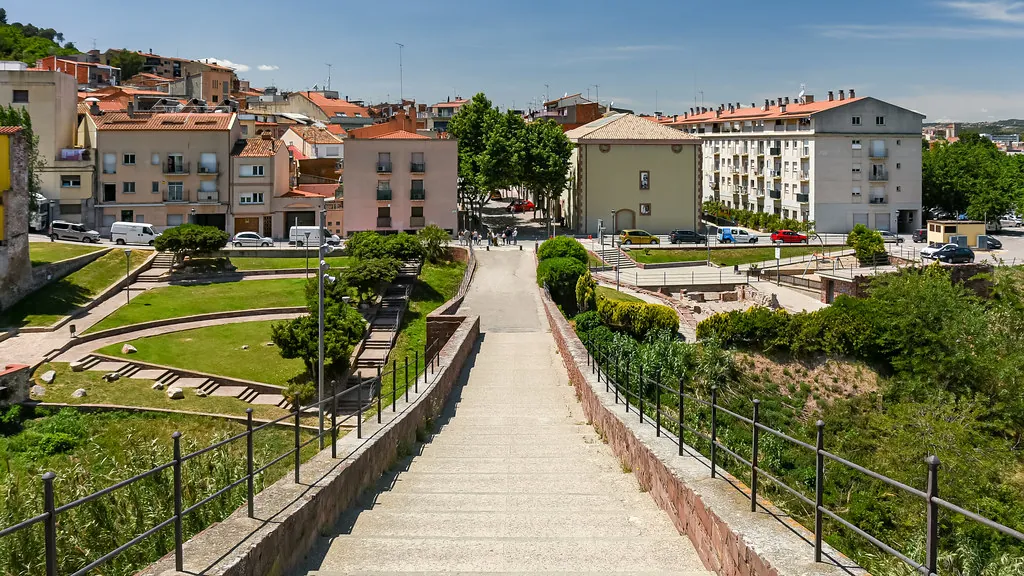
Directly below lies the old centre. The streets are short and sloping, shaped by the terrain rather than any formal plan. Some houses retain traditional features such as stone structures and simple balconies, built more for use than decoration. The area can be explored at an unhurried pace in about an hour.
Those interested in vernacular architecture may notice how homes rest directly on rock or adapt to small ტერaced levels cut into the hillside. The relationship between buildings and landscape is immediate and practical.
Getting there and the best time to go
El Papiol is very close to Barcelona, roughly a twenty-minute drive when traffic allows. It can also be reached by train via the railway line that connects the Baix Llobregat with the city. The station sits some distance from the old centre, so the final stretch involves an uphill walk.
Parking in the centre can be difficult at weekends. Many visitors leave their cars in the lower part of the village and continue on foot.
Spring is often the most pleasant time to explore the local paths, when the landscape is greener and temperatures remain mild. Summer brings more noticeable heat, particularly in the middle of the day. Autumn, on the other hand, offers a quieter atmosphere and favourable conditions for walking in Collserola.