Full Article
about El Prat de Llobregat
Airport city with delta wetlands and protected beach
Ocultar artículo Leer artículo completo
At 06:00 the first easyJet lifts off, wheels still dripping with dew from the overnight fog that rolls in off the delta. From the sand dunes of El Prat de Llobregat the Airbus looks close enough to touch, yet the roar is muffled by reeds alive with warblers. Few passengers glancing down will realise they are leaving one of Europe’s strangest double lives: a working town where 65,000 people grow artichokes, cycle to the beach, and still call their neighbours by the medieval nickname “pratencs”.
The runway next door
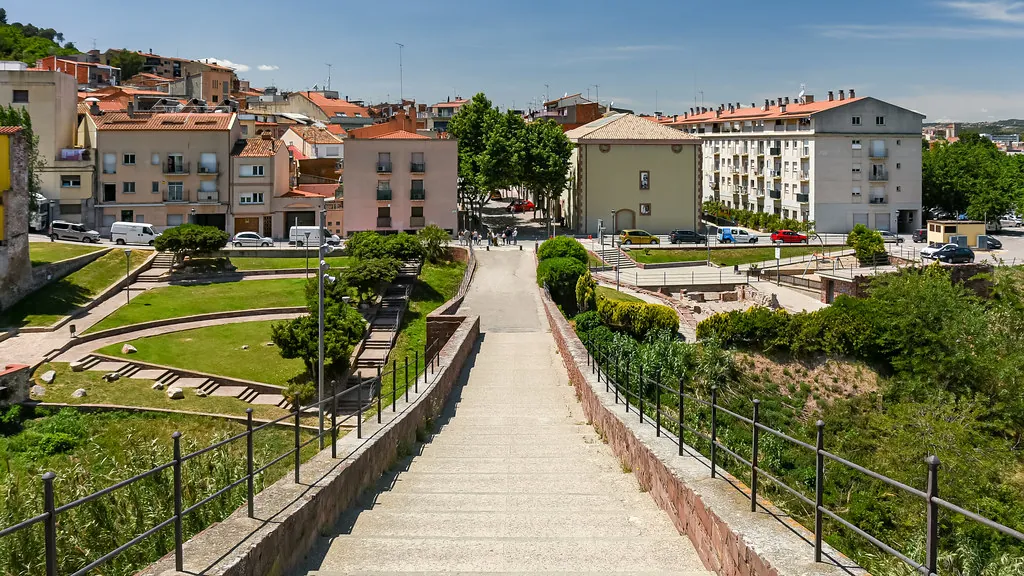
The airport is the elephant in every room. Approach from the north and the landing lights seem to thread straight through back gardens; from the south you drive past hangars before you see a church. Yet inside the old centre, barely a kilometre from the perimeter fence, life is stubbornly local. Pensioners play petanca under plane trees in Plaça de la Vila, the baker sells coques topped with red pepper and anchovy, and the weekly market smells of damp soil because half the stalls still sell produce picked that morning in the delta’s market gardens.
British visitors usually see none of this. The Rodalies train from the terminal drops them at Sants in 18 minutes, so El Prat functions as a budget dormitory for Barcelona weekends. Hotel rates can be half the city’s, and the airport bus is free. The trade-off is noise: double-glazing is universal, but on still nights you can follow flight paths by the sequence of porch lights flicking on. The town council publishes a monthly “quiet hours” calendar; heavy jets are routed seaward between 23:00 and 06:00, though summer delays scramble even that concession.
Where the Llobregat dies
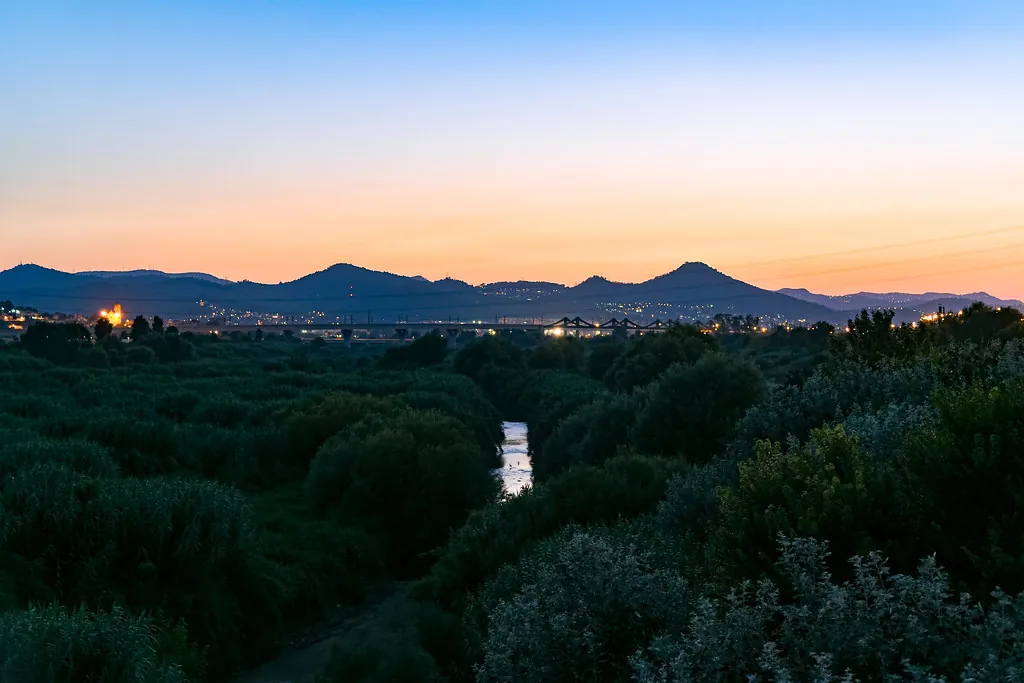
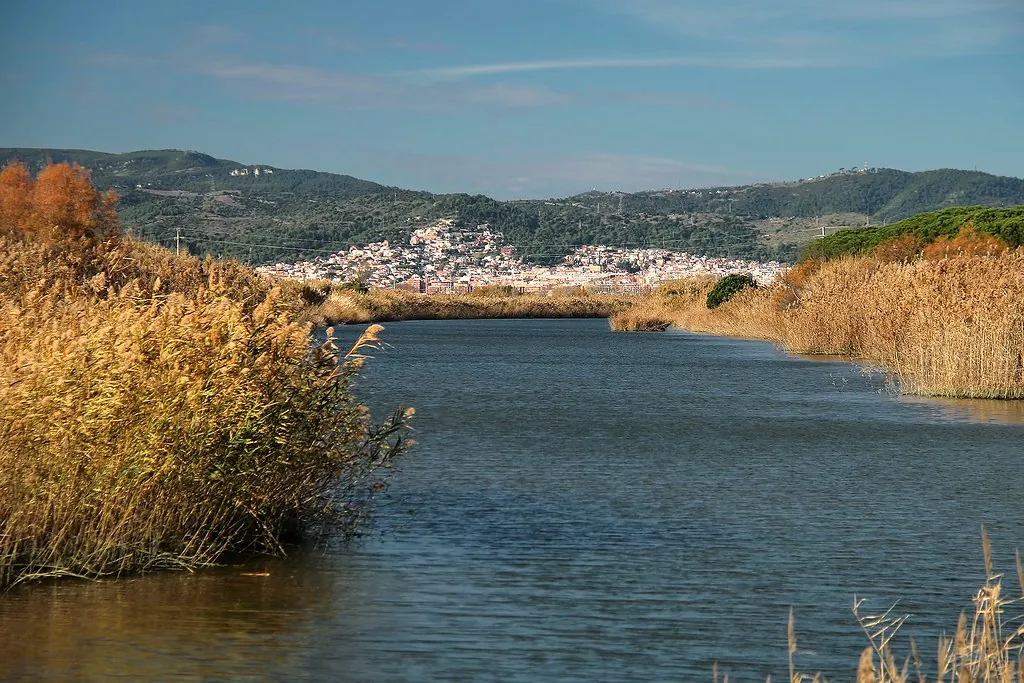
Three minutes’ cycle from the terminal fence, the river spreads into a maze of lagoons protected by the last reeds between the Pyrenees and the sea. More than 300 bird species have been logged in the Remolar–Filipines reserve; on an April morning you can watch hoopoes flap overhead while Kentish plovers scurry across bare sand. Flamingos arrive in February and stay until the water level drops, their colour deepening as they moult. Bring binoculars, but leave the long lens at home—paths are raised wooden boardwalks and the hide roofs are deliberately low so aircraft tails remain in view, a reminder that wilderness here is rationed in hectares, not kilometres.
The agricultural park south of the river is still farmed in narrow strips first laid out by Moorish irrigation engineers. Artichokes, the local celebrity, appear on every menu from February to May. The variety Blanca del Prat is tender enough to eat raw: sliced paper-thin, dressed with lemon and olive oil, it tastes like chestnut and pepper. Farmers sell from honesty tables at the field edge; a dozen cost about €2 if you arrive before the restaurant buyers clear them out.
Beach with built-in commentary
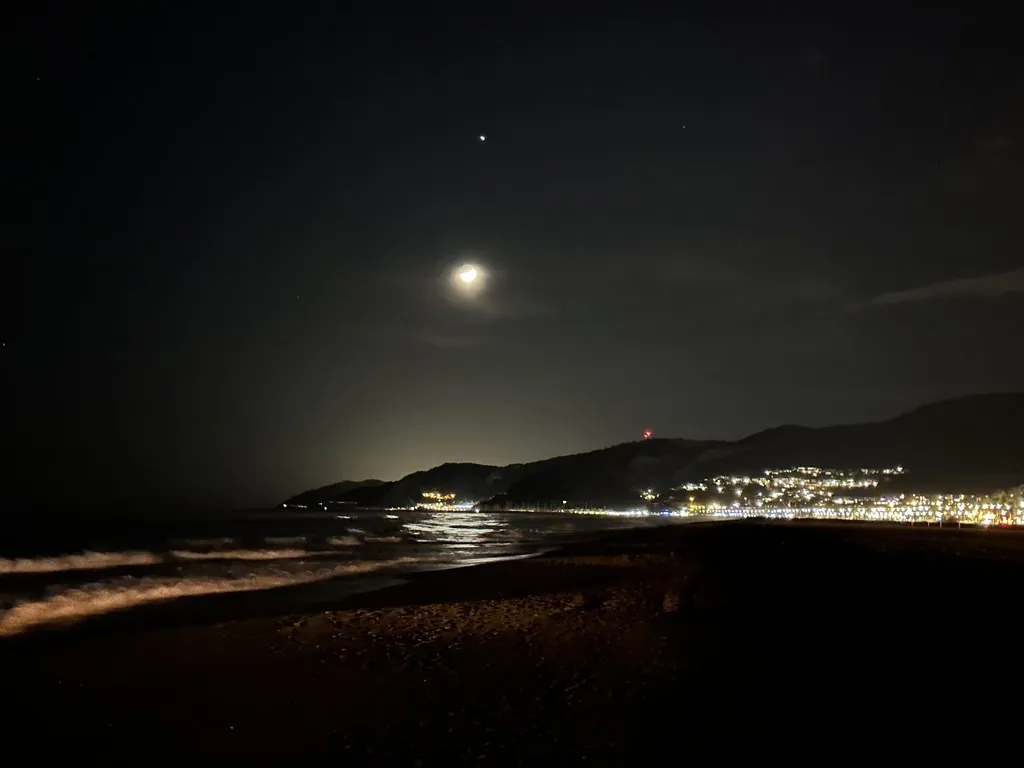
El Prat’s beach is a five-kilometre sweep dumped sand trapped by the breakwater of the airport runway. It is never empty—Catalans believe sea air prevents colds—but even in August you can claim a 20-metre radius if you walk ten minutes south towards Cal Francès. The water is cleaner than Barceloneta because the river current scours the shore, though jellyfish drift in when the wind turns east. Swimmers share the horizon with departing aircraft; every three minutes a plane roars overhead at 200 metres, close enough to read the registration. Children wave; the pilots occasionally waggle wings.
Behind the dunes, three beach bars (chiringuitos) serve plates of squid and bomba potatoes fierce with paprika. They close at 20:00 sharp—staff live inland and want supper—so bring a picnic if you plan to stay for sunset. After October the lifeguard towers are hauled away and the sand returns to dog-walkers who shrug at the weather and swim anyway.
Eating after the runway
British palates are well catered for. Casa Faustino, two streets back from the church, will grill sea bass and serve chips instead of pa amb tomàquet if you ask nicely. Cal Xim specialises in pollastre del Prat, blue-legged chickens fed on artichoke leaves; the meat is darker than supermarket birds and the skin crisps like pork crackling. Vegetarians head to the Wednesday market in the covered square where a family from Murcia sells escalivada—smoked aubergine and pepper salad—by weight.
Sunday lunch is sacred: kitchens shut at 16:30 and reopen after 20:30. Book ahead or you’ll end up in the airport food court, a fate locals consider only marginally better than missing your flight. If you are self-catering, the Bon Preu supermarket on Avinguda Verge de Montserrat stocks Cathedral City cheddar and Yorkshire tea, proof of the resident British pilot population.
Getting stuck, or choosing to
Stay longer than a night before an early flight and El Prat begins to reveal its quiet rhythms. At 07:30 parents cycle children to school along carrils bici painted the same yellow as the airport signage. Grandmothers queue for porrons of wine at the cooperative bodega, refilling green glass bottles that have lasted since Franco’s time. On feast days, the gegants—papier-mâché giants twice human height—dance in front of the modernist town hall while planes thunder overhead, an absurd soundtrack no one appears to notice.
The downside is the sprawl of logistics warehouses south of the runway. Evening jogs along the river can feel like threading a container port, and the smell of kerosene lingers when the wind turns north. Winter nights are damp and empty; bars close early and the last train to Barcelona leaves at 23:37. If you miss it, a taxi to Plaça Catalunya costs around €30—still cheaper than a city-centre hotel, but the fare stings when you realise you have just paid to escape somewhere you chose to stay.
Leave on a dawn flight and the town is already awake. Market gardeners load crates of artichokes under floodlights; a heron stands motionless in the drainage ditch, waiting for frogs startled by the rumble of the first departure. From your window seat the delta shrinks to a green triangle wedged between runways and sea, an unlikely alliance of lettuce fields and jet engines that shouldn’t work, yet somehow does.