Full Article
about Esparreguera
Town known for its Passion play and ceramic heritage
Ocultar artículo Leer artículo completo
The Asparagus Town That Grew Upwards
Tuesday morning in Esparreguera smells of coffee and detergent. Shop shutters clatter upwards along the Rambla while elderly men in flat caps debate yesterday's Barça result outside Bar Central. This is no chocolate-box village—it's a place where butchers still know their customers' names and where the mountain on the horizon isn't just scenery, but a compass point that orients daily life.
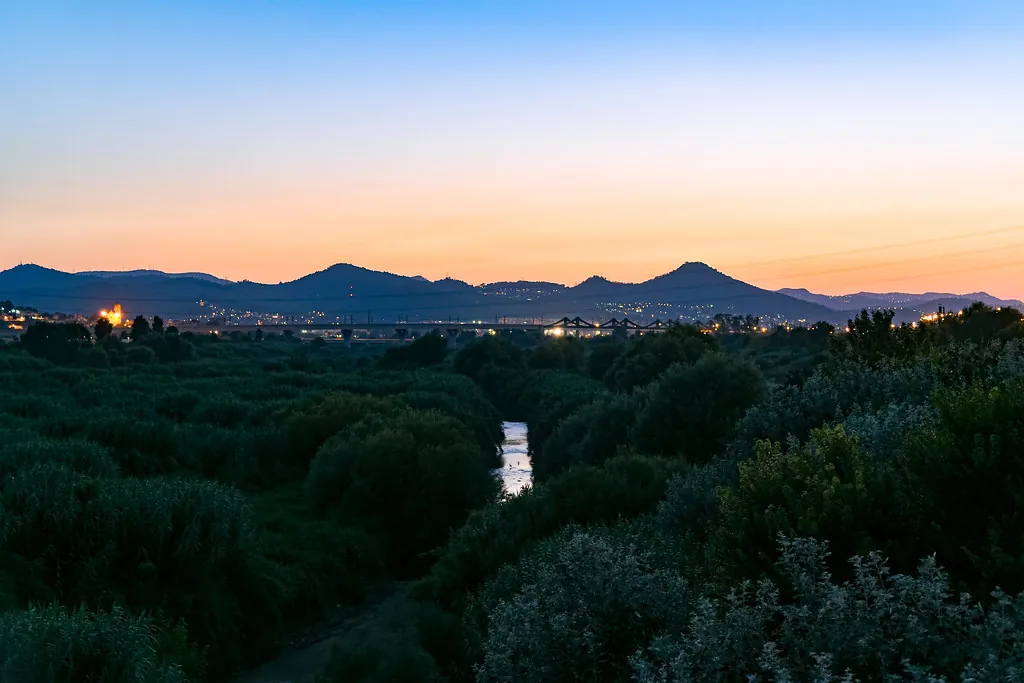
At 187 metres above sea level, Esparreguera sits where the Llobregat plain begins its rise towards Montserrat's serrated ridges. The town's 22,000 inhabitants live in the shadow of that famous monastery, but they're quick to point out they're not living in its shadow culturally. This is working Catalonia, where textile mills once thundered and where asparagus fields still stripe the surrounding countryside each spring.
The name itself gives the game away—Esparreguera derives from "esparrec," the Catalan word for asparagus. For centuries, locals coaxed the stubborn white spears from sandy soil, developing a reputation that reaches Barcelona's markets 35 kilometres east. Today's supermarket asparagus might come from Peru, but visit during late April and you'll still find bundles of local stalks sold from vans parked along the C-1411.
Brick, Bell Towers and the echo of looms
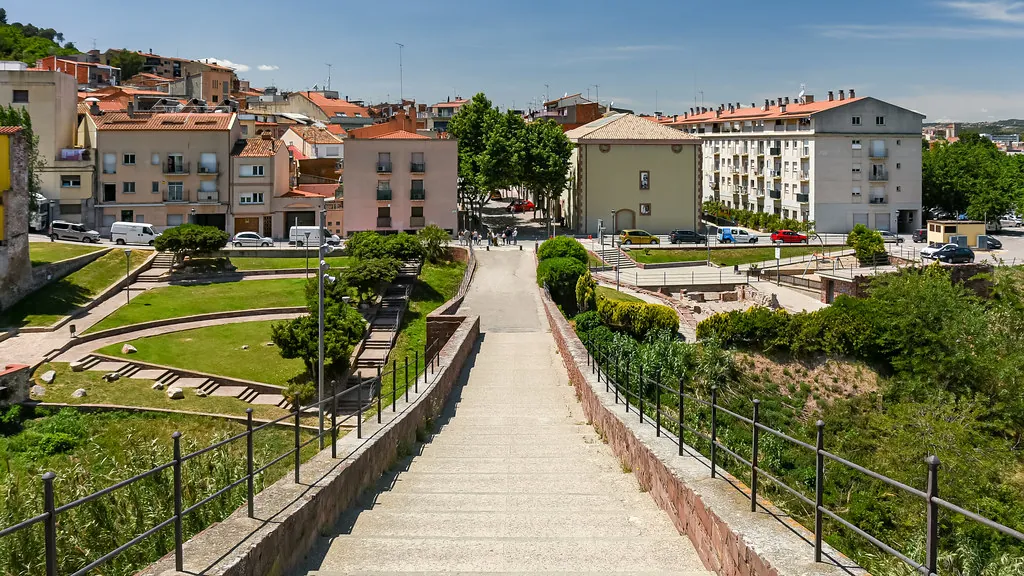
The historic centre clusters around Sant Pere church, its Romanesque bones dressed in later Gothic and baroque additions. Climb the Santa Eulàlia bell tower—€3, cash only—for views stretching from Montserrat to Barcelona's skyline. The descent requires concentration: medieval steps worn smooth by centuries of sandalled feet aren't forgiving on modern soles.
Five minutes west, the Colonia Sedó textile complex sprawls across 14 hectares of red brick and Catalan vaulting. This isn't a prettified museum piece—it's industrial archaeology at its most honest. Built in 1846, the colony once housed 1,800 workers in terraced houses arranged like a British mill town transplanted to Mediterranean sunshine. The factory whistle still works; guides demonstrate it at 11am tours, a sound that once dictated 14-hour shifts and now startles pigeons from rafters.
Weekend tours (£8 adult, £6 concession) reveal the full social experiment: workers' theatre, school, cooperative shop, even a football pitch laid out specifically to keep men from the pub. British visitors often note the parallels with their own industrial heritage—though Sedó's workers enjoyed Mediterranean light streaming through arched windows their Manchester counterparts could only dream about.
When the Mountain Calls
Montserrat dominates every east-facing view, but reaching it requires effort. The monastery sits 17 kilometres away by road, though it looks close enough to touch. Local hikers prefer the Camí dels Degotalls, a steady climb through holm oak and rosemary that gains 600 metres over 8 kilometres. The path starts behind the sports centre—follow Carrer de Montserrat until asphalt turns to gravel.
Spring brings wild asparagus threaded between the stones; autumn offers mushrooms if you know where to look (locals do, and they're not sharing). The route joins the main monastery paths at the halfway mark, meaning you can arrive via backdoor while tour buses queue at the front entrance.
Cyclists find their own suffering here. The C-1411 switchbacks up towards Monistrol, averaging 6% but chucking in 12% ramps just when legs start complaining. Road cyclists gather at Bar Montserrat afterwards, comparing Strava times over cortados. Mountain bikers head south towards Ordal's vineyards—firmer going, better wine stops.
Tuesday Markets and Thursday Shutters
Market days transform the Rambla into a slow-moving social club. Tuesday and Saturday see stallholders unpacking at 7am; by 10am, the car park beneath the town hall requires patience and a small car. The asparagus stall commands queues in season—white, fat, expensive. Locals examine each spear like jewellers appraising diamonds.
Food here rewards the unadventurous. Cal Gustós serves textbook Catalan cooking without the Barcelona mark-up. Their "arros negre" arrives properly jet-black from squid ink; ask for the seafood-free version if you're feeding fussy teenagers. Flor de Sal offers tasting menus that won't bankrupt—owner Pep halves portions on request, understanding British appetites for variety over volume.
The afternoon shutdown catches visitors out. Museums lock at 2pm; restaurants follow at 4pm. Plan accordingly—this isn't service industry Spain but agricultural Catalonia, where siesta remains practical rather than picturesque. The single-screen cinema on Carrer Major shows films in Catalan with Spanish subtitles; occasionally they'll screen something in original version—check the handwritten notice taped to the ticket booth.
Beyond the Postcard
Esparreguera's honesty extends to its limitations. August feels deserted as locals flee to coastal second homes. Winter weekends bring grey skies that make Montserrat disappear entirely. The industrial estates west of town aren't scenic, though they do explain why unemployment here runs lower than Catalan averages.
Yet these rhythms create authenticity. During Easter's Passion play, half the town participates—blacksmiths become Roman soldiers, hairdressers double as Virgin Marys. Tickets sell out weeks ahead; turn up without one and you'll watch proceedings on a screen in Plaça de l'Ajuntament with everyone else who left it late.
The asparagus festival in early May reveals the town at its most organised. Stalls line the Rambla selling everything from fresh spears to asparagus ice cream (better than it sounds). Queues form early—arrive before 11am or wait 40 minutes for a paper cone of tempura-battered stems. Local restaurants create special menus; even the Chinese takeaway joins in, serving asparagus fried rice to puzzled regulars.
Getting here requires wheels. Trains from Barcelona's Plaça Espanya reach the station in 45 minutes, but it's a 20-minute uphill walk to the centre. Driving proves easier—the A-2 motorway delivers you in 30 minutes from Barcelona airport. Parking beneath the Rambla costs €1 per hour after the first free half-hour; the municipal pavilion offers free parking seven minutes' walk away.
Stay overnight and you'll hear the church bells mark quarters through the night—Sant Pere doesn't subscribe to silent hours. Morning brings coffee at 60 cents in bars where English isn't spoken but pointing works perfectly. The mountain still dominates the eastern view, but by now you'll notice other things: the way elderly women water geraniums in brassieres at first light, how the bakery sells coques topped with roasted peppers that taste of proper Mediterranean summers.
Esparreguera won't change your life. It will, however, show you Catalonia beyond the tourist brochures—a place where industry and agriculture coexist, where asparagus matters more than Instagram, and where Montserrat serves as daily compass rather than day-trip destination. Sometimes that's exactly what travelling should deliver.