Full Article
about Pallejà
Town with a well-preserved Renaissance castle and wooded areas
Hide article Read full article
A place people pass through
Pallejà is like the hallway of your friend's apartment: you walk through it to get to the living room, but you never really look at it. That’s its role. It’s 20 minutes by train from Barcelona’s Plaça Espanya, and the C-32 motorway cuts right past it. Thousands of people transit through every day, most probably wondering if the guy next to them on the Rodalies train actually lives here. Tourism in Pallejà isn't an industry; it's more of an accidental discovery.
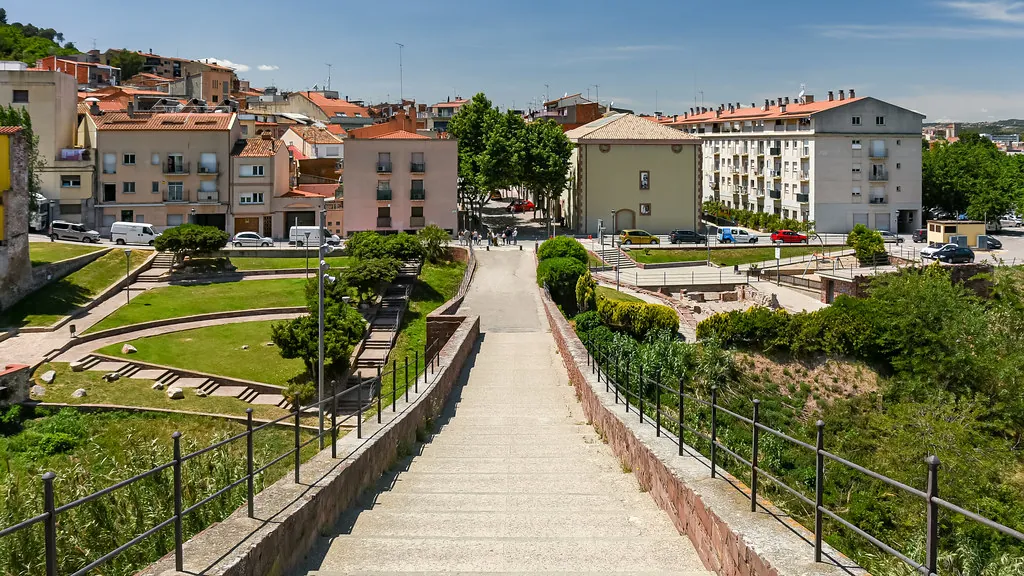
This isn't a town that was built for your Instagram feed. It's a functional piece of the Baix Llobregat, a place where people buy groceries, argue about parking, and live their lives. Come with that expectation—that you're visiting a real town, not a set—and you'll start to see the appeal.
The castle that watches the commute
You can't miss the Castell de Pallejà. It’s that hilltop silhouette you glimpse between apartment blocks when you're stuck in traffic on the BV-2001. It feels less like a remote fortress and more like a patient observer of the morning rush hour.
What you see now is mostly from the 16th century, built over older ruins. Its history is a bit stop-start—periods of abandonment followed by restoration efforts that sometimes feel more enthusiastic than precise. Getting inside can be hit or miss; it's not always open to the public, so check locally before making it your sole mission.
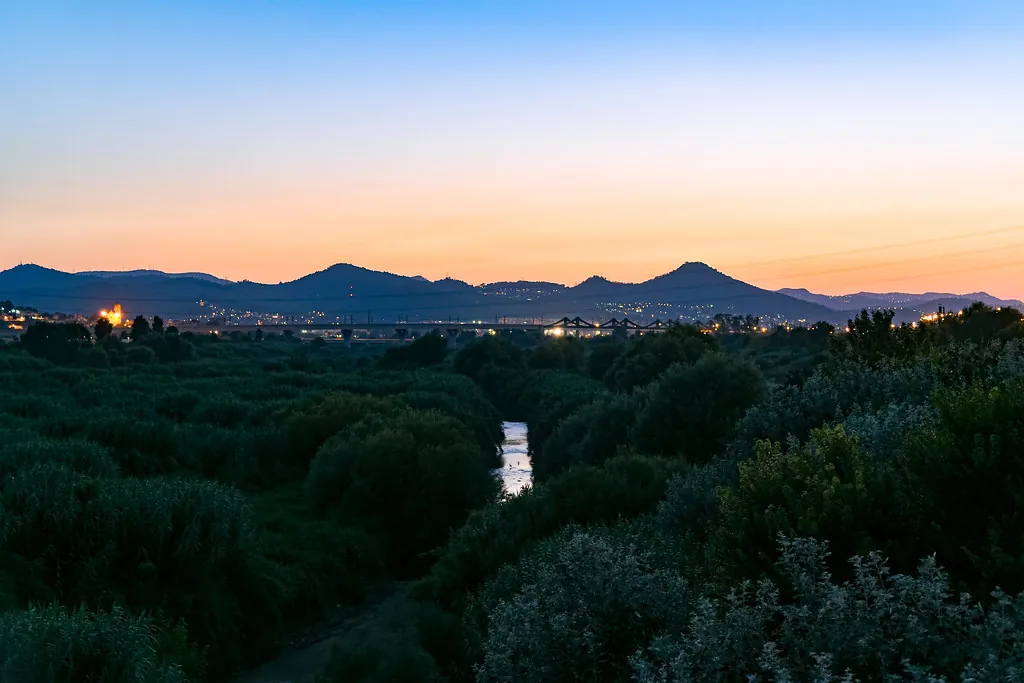
But go up anyway. The climb is short and popular with locals walking their dogs or getting a run in. The reward is a view that frames everything: Barcelona’s sprawl to one side, and the sudden green of the Llobregat valley on the other. It’s the kind of perspective that makes you understand this is neither city nor proper countryside, but something in between.
A reservoir hiding in plain sight
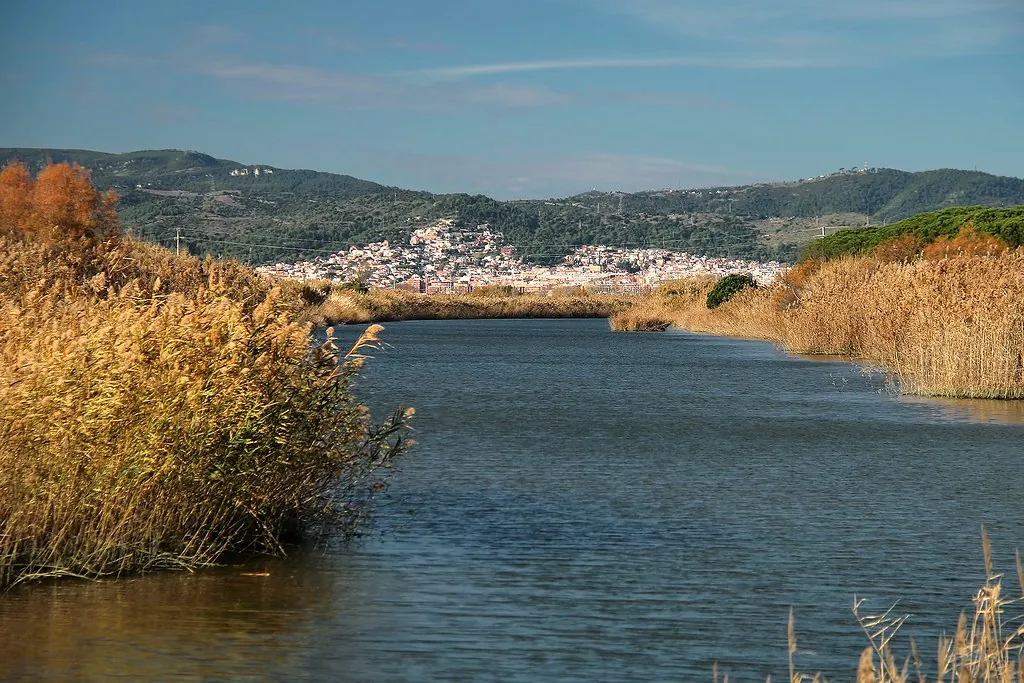
The Pantà de Pallejà is the town's best surprise. You navigate a landscape of roundabouts and logistics parks, turn a corner, and there it is—a body of water that feels quietly out of place.
It’s a 19th-century construction for irrigation, a relic from when this area grew more vegetables than it hosted warehouses. It won't take your breath away, but there's something grounding about its persistence. A simple dirt path circles it, and on weekends you'll see people fishing or just sitting on a bench. There’s a walking route linking it to the castle, which makes for a decent, low-effort loop if you want to stretch your legs for an hour or two.
The point of coca (and panellets)
Let's talk about coca. In Pallejà, as in much of Baix Llobregat, coca doesn't mean a sweet, bready cake. It means coca de recapte, but here they often strip it back to its absolute basics: just dough, oil, and salt.
If you're imagining toppings piled high, you'll be disappointed. This is minimalist fuel—crisp, salty, and designed to be torn apart with your hands alongside a beer or a glass of wine. It’s not the star of the meal; it’s the supporting act.
Come autumn, look for panellets in bakeries around All Saints' Day. Those dense little almond-and-sugar balls are everywhere. They're so rich that eating more than two feels like a dare.
When Sunday lasts all afternoon
If you want to see Pallejà in its natural state, come on a Sunday around noon. Vermut here isn't trendy; it's habitual. Groups spill out onto sidewalks with glasses of vermouth on ice, plates of olives, maybe some potato chips or anchovies. It’s less about gastronomy and more about marking time— a slow buffer between morning and lunch where conversations meander as much as people do. It shows how life works here: close enough to Barcelona to feel connected, but far enough to have its own rhythm.
So should you get off the train?
Pallejá won't replace your dream trip to Priorat or Cadaqués. Let's be clear about that. But if you've ever been curious about where Barcelona bleeds into its comarca, about towns shaped by proximity rather than postcards, then yes, it's worth stopping. Do this: take an early train, walk up to see what remains of castle, loop around reservoir, and be back in centre for vermut o'clock. You'll have seen it all in three hours flat. What stays with you isn't monumental architecture but texture— the sense of place that comes from not trying to impress anyone at all