Full Article
about Sant Andreu de la Barca
Industrial and logistics town with restored green areas
Ocultar artículo Leer artículo completo
The 19:47 FGC train from Barcelona drops you at a platform that smells of diesel and freshly-cut grass. Behind the ticket machine, a mural of stick-figure children clutching oversized books greets arrivals to Sant Andreu de la Barca—an unintentionally honest preview of a place that has never quite figured out what it wants to be when it grows up.
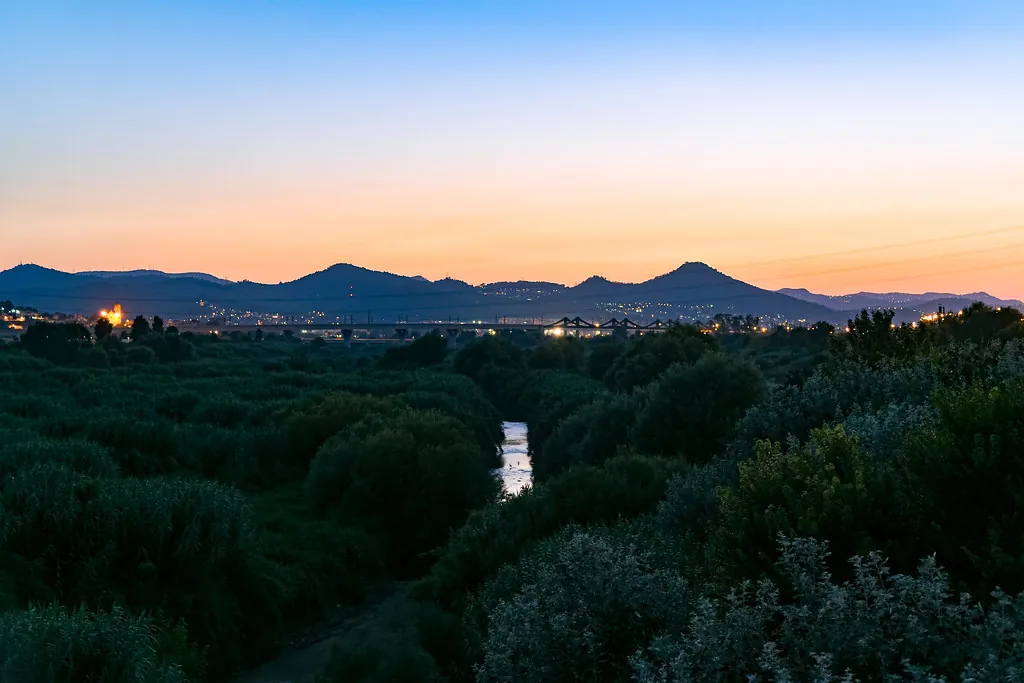
Twenty-three kilometres from the Sagrada Família, the town sits on the last breath of the Llobregat delta, altitude a mere 42 m—low enough for the sea breeze to carry the hum of the airport motorway, high enough that the Pyrenees stay a white stripe on the horizon. This is not the Catalonia of coach tours. There are no saffron-coloured villages, no siesta-shuttered alleys dripping with bougainvillea. Instead, 1960s apartment blocks rise straight from the irrigation ditches, and the river is flanked by recycling plants rather than rice paddies. The effect is oddly honest: a commuter belt town that refuses to dress up for visitors who, by and large, only land here when EasyJet cancels the late flight back to Luton.
What passes for old
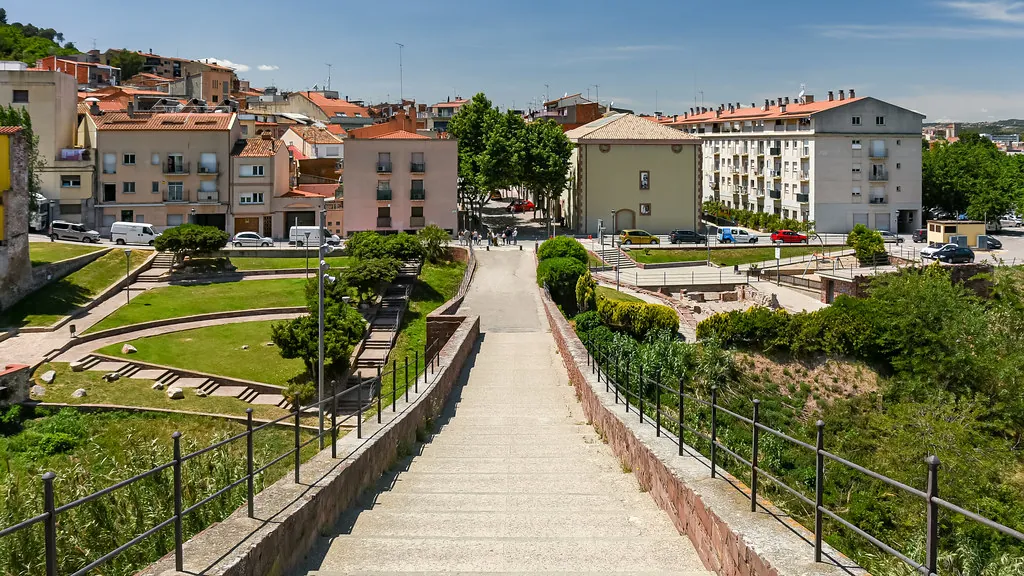
The historic centre is two streets and a plaza. The parish church—rebuilt so often that only the bell tower remembers the Middle Ages—anchors a square of plane trees and aluminium café tables. On Sunday morning the bells compete with reggaetón from a parked Seat León; by 14:00 the only movement is a council worker hosing last night’s crisps into the gutter. Walk a block further and you hit Carrer Major, where the stone façades are genuine but scrubbed clean, like pensioners on their way to a wedding. Most doorways now lead to dentists or mobile-phone shops; the smell of toast drifting out is British in its practicality—coffee and jam, not pa amb tomàquet.
Scattered among the post-war grid lie three farmhouses that survived the property boom. Can Parcerisa keeps its arched gateway but the courtyard is a carpet warehouse; Can Valls de la Riera is fenced off behind bilingual “Private Road” signs. You view them from the pavement, the way one glances at neighbours through net curtains. The town council has printed a leaflet called “Ruta de Masies” which folds out like a Tesco receipt; the recommended circuit is 4 km and takes 45 minutes if you don’t mind dead-ending at a logistics depot. Download the GPX track before you set off—way-marking is sporadic and the local dogs have perfected the art of silent ambush.
Lunch at noon, shutters at nine
British visitors expecting tapas crawl culture leave hungry. Sant Andreu eats on industrial timetables: three-course menú del día served between 13:00 and 15:00, after which the kitchens close until breakfast. Can Xic on Carrer Major will swap chips for salad without the eye-roll you get in central Barcelona; their house wine arrives in a 250 ml carafe that looks suspiciously like a chemistry flask. Vegetarians get omelette or omelette—request both eggs and cheese and the waiter will ask if you’re “sure that’s not too heavy”. Pizzeria L’Angolo keeps the lights on until 22:30 but only at weekends; mid-week it follows the merciless commuter clock, pulling the metal shutter down while the last train from Barcelona is still approaching.
For self-caterers, the Mercadona on Avinguda de la Pau is your only supermarket of size. It shuts at 21:30 sharp—21:00 on Saturdays, closed entirely on Sunday. Arrive at 20:55 and you’ll share the queue with airline crews stocking up on 75-cent tins of olives and litre bottles of gin. The bakery opposite, Forn de Pa Saboré, opens earlier and sells fist-sized ensaïmadas that survive the flight home in hand luggage if you don’t squeeze the cabin bag under the seat in front.
Green corridors and flat tyres
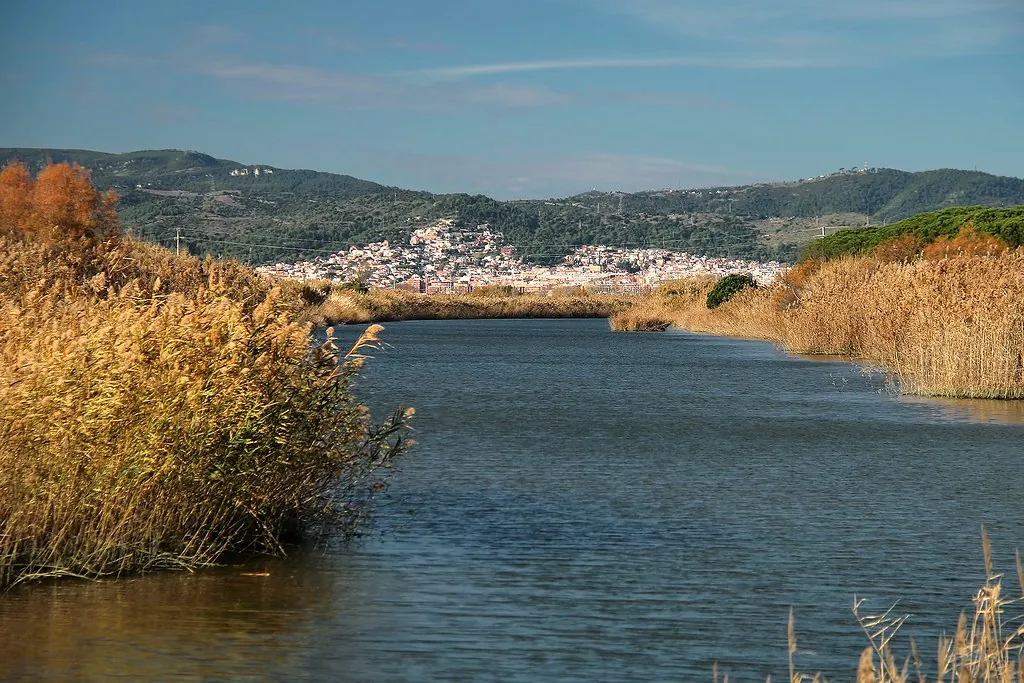
The Llobregat riverbank has been converted into a 3 km linear park: tarmac wide enough for two prams abreast, poplars planted at regulation intervals, exercise bars that nobody uses. Joggers from the adjoining estate treat it as their treadmill; dog-walkers gather in clumps to discuss council tax. Cyclists can follow the river path north-west to Martorell (7 km) where a 19th-century iron bridge crosses to the ruined castle that starred in every Catalan school textbook. The gradient is negligible but take a spare inner tube—thorny acacia seeds lurk in the long grass like miniature caltrops.
South-east the path peters out at an electricity substation; beyond that you’re on farm tracks shared with articulated lorries delivering feed to chicken warehouses. The vineyards that once carpeted the plain survive as two rows between a Ford dealership and a Ryanair maintenance hangar. Their garnacha grapes are sold to the local cooperative; the wine turns up on neighbouring lunch menus at €6 a bottle, label handwritten in biro.
When the town lets its hair down
Sant Andreu’s main festival lands on the nearest weekend to 30 November, feast of Saint Andrew. The council books one nationally-known band (last year a Ska-punk outfit from Valencia) and positions the stage in the football stadium so the noise drifts across the ring-road. Correfocs—devil-costumed locals with spark-throwing pitchforks—charge down Carrer Barcelona at 19:00; spectators stand behind portable barriers clutching plastic cups of vermouth and wondering if health-and-safety has reached Catalonia yet. The event is overwhelmingly local: grandparents on folding chairs, toddlers smeared with factor 50, teenagers comparing Instagram stories from the neighbouring town’s correfoc the night before. Visitors are welcome but not courted; if you want a hotel bed, book the Ibis Budget early—it triples its rates once the programme is published.
Summer fiestas in late July are gentler: open-air cinema on the polideportivo tarmac, a paella cooked in a pan the size of a satellite dish, and amateur castells where the tower wobbles but never quite collapses. The highlight for British observers is the greased-pole contest: teams attempt to walk up a soapy telegraph pole suspended over the river. Success earns a ham; failure earns applause and a free beer from the Red Cross boat. Sunset is after 21:00; bring mosquito repellent or spend the next week explaining polka-dot ankles to airport security.
The practical bit, because you’ll probably need it
Trains: FGC lines S4 and S8 run twice an hour from Barcelona-Plaça Espanya; journey time 23 minutes. The last service back leaves at 23:33—miss it and a taxi is €45–50 on the meter, more if Barça have played at home. A 48-hour Hola BCN card (€17.50 at the airport) covers the airport metro, city buses and this suburban line—worthwhile if you’re shuttling in for two days of Gaudí overload.
Bed: besides the Ibis Budget there is one three-star hotel, the Sercotel, tucked behind a petrol station. Weekends are quieter than weeknights when travelling sales reps fill the bar watching MotoGP. Both properties offer free parking—rare this close to Barcelona—and 24-hour reception, handy for 06:00 flights.
Wheels: hire cars can be returned at the town’s Avis franchise (inside the Nissan garage) but you must phone the day before or nobody turns up. Petrol is cheaper here than at the airport autopista services—fill up before you drop the keys.
Weather: the delta traps humidity; August feels like Singapore with added diesel. Spring and autumn are mild, 22 °C at midday, cool enough at night for a jumper. Rain arrives in abrupt April cloudbursts; the drainage is municipal-grade efficient, so puddles rarely outlast your coffee.
Worth the detour?
Sant Andreu de la Barca will never feature on a “Top Ten Hidden Corners of Catalonia” list, and the locals prefer it that way. Treat it as what it is: a convenient, unpretentious base with free parking, sensible menus and a 23-minute escape hatch to Barcelona’s crowds. Spend the morning in the city, return for a three-course lunch that costs less than a London sandwich, then cycle the river path while the traffic lights of the capital still flash red. You will not send postcards, but you might leave with a half-eaten ensaïmada and the realisation that modern Catalonia is stitched together by towns like this—functional, mildly self-mocking, and resolutely alive after the tour buses have turned inland.