Full Article
about Sant Joan Despí
City with major modernist heritage by Jujol and parks
Ocultar artículo Leer artículo completo
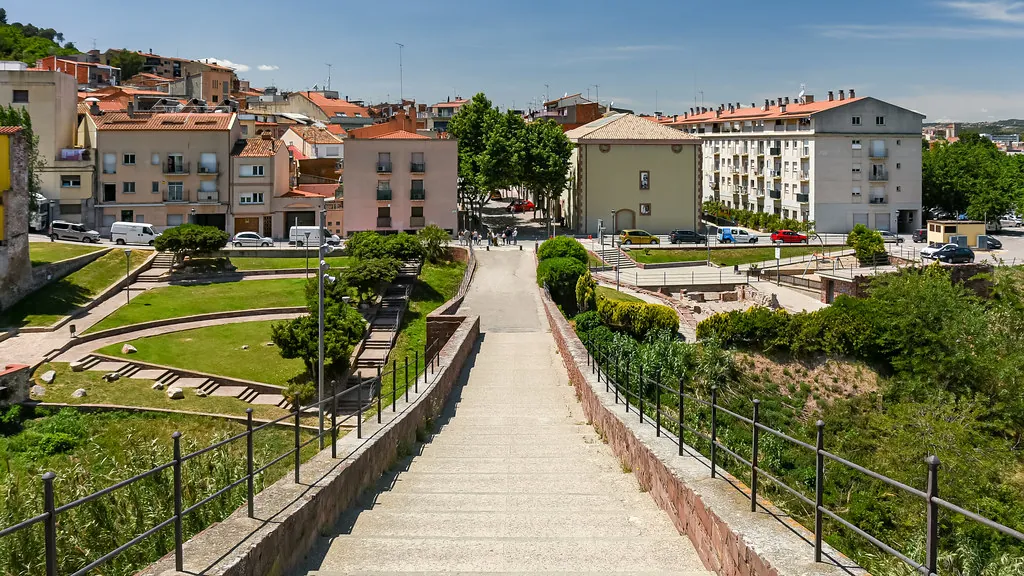
The first thing that strikes you is the quiet. Step off the Llobregat-bound train at Sant Joan Despí and the roar of Barcelona—only twelve kilometres away—drops to a murmur. Plane trees line the parallel streets, the river smells of damp reeds rather than diesel, and a pair of elderly men are arguing, very politely, about the correct way to tie a cast net. This is still metropolitan Barcelona, but it behaves like a market town that has forgotten to grow up.
Most foreigners arrive by accident: a cheap room near the airport, a rental flat when the city centre ran out, a dodgy knee that needed ground-floor accommodation. They expect little more than a bed and a breakfast buffet, then discover that the place hoards one of the most coherent sets of Josep Maria Jujol buildings anywhere in Catalonia. Jujol—Gaudí’s quirkier collaborator—lived here for decades and turned farmhouses, chapels and even a water tower into playgrounds of colour, wrought iron and off-beat spirituality. The monuments are not cordoned off with ticket booths; they sit between 1970s apartment blocks, children’s playgrounds and car workshops. Architecture as daily furniture.
Concrete curls beside the vegetable plot
Start with the Torre de la Creu, five minutes’ walk south of the railway. Locals still call it Can Negre, the name of the farmhouse it once belonged to. From a distance it looks like a child’s drawing of a castle: cylindrical tower, tiled hat, sgraffito stripes in ochre and Mediterranean blue. Up close you notice the details—ceramic sunflowers, a balcony rail that twists like barley sugar, a first-floor window shaped like a bishop’s mitre. Opening hours are patchy (Tuesday and Thursday mornings if the volunteer guide is free; otherwise peer through the glass and move on). Entry is free, but drop a couple of euros in the box; the money keeps the paint fresh.
Carry on along Carrer de la Creu to the Casa Negre, the proper family home Jujol refaced for the same landowners. The street door is set back beneath a wave of stucco; above it, ceramic letters spell out “Ave Maria” in cobalt. Ring the bell and, if the caretaker is around, you’ll be let into the ground-floor chapel: frescoed ceiling, trompe-l’oeil curtains, a tiny altar that glows gold in the half-light. The house is still a private residence, so groups are capped at six and whispering is appreciated. Photography allowed, flash forbidden.
By now you will have noticed that nothing is signposted in the British sense. Brown panels appear sporadically, but they assume you already know who Jujol was. A simple rule of thumb: if the façade curves, leans or sprouts unexpected fruit, it’s probably his. The town hall publishes a one-page map; pick it up at the library opposite the parish church, or download the PDF while you still have hotel Wi-Fi.
River flatness and Sunday silence
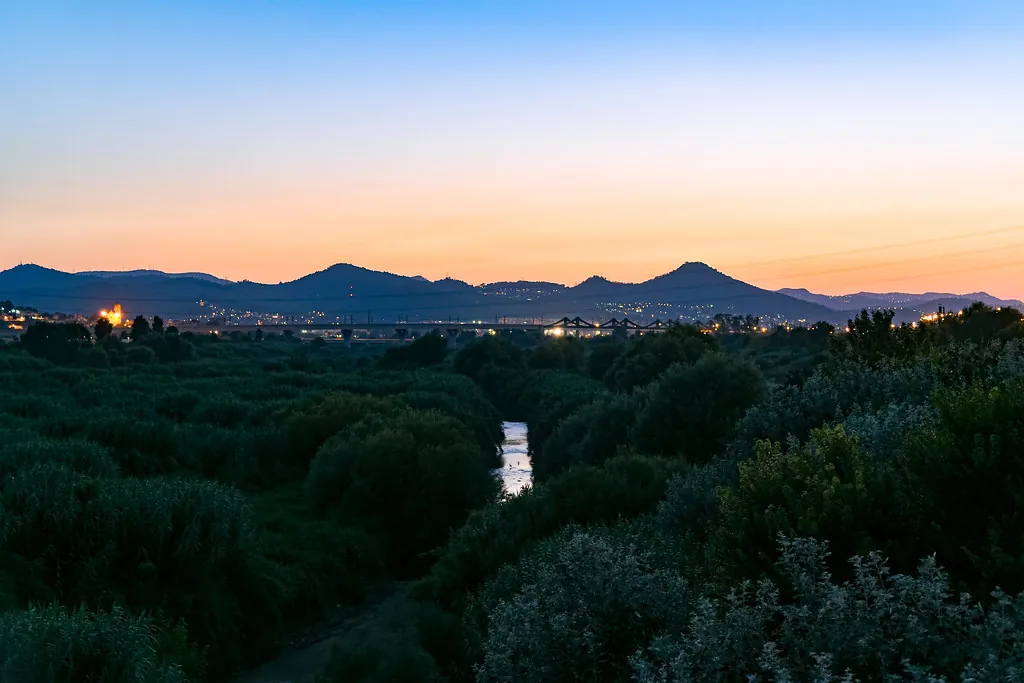
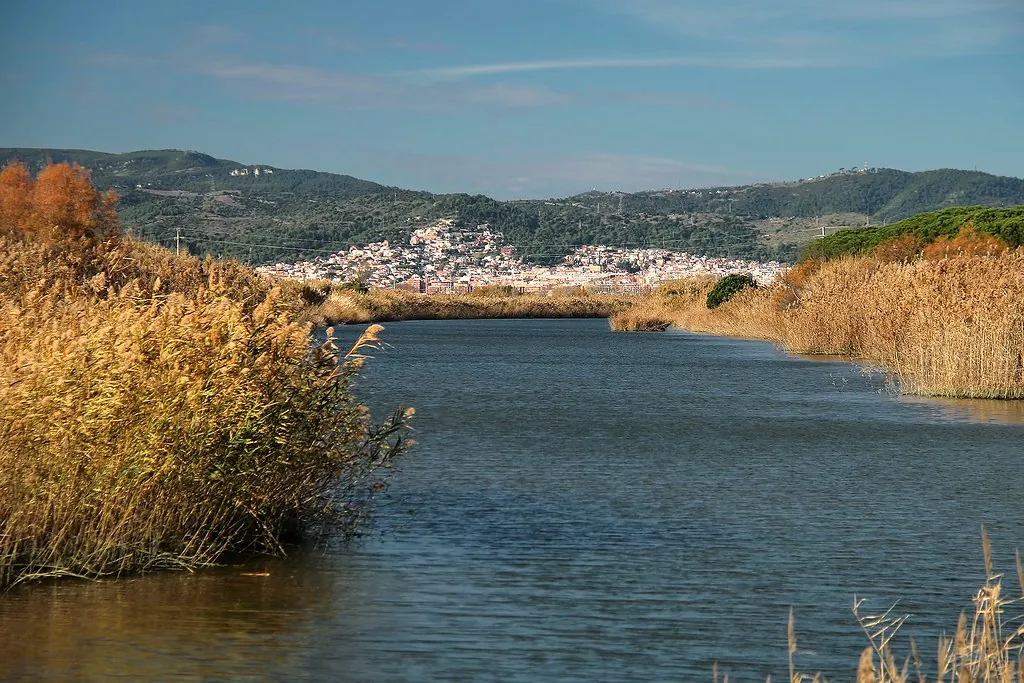
Sant Joan Despí owes its existence to the Llobregat. The land is pancake-flat, fertile and prone to mist on winter mornings. Medieval farmers built dykes and irrigation ditches; twentieth-century planners added railways, a motorway and Barcelona’s second airport. Yet the river still dictates the rhythm: cyclists follow the towpath to Martorell, elderly women pick wild fennel on the embankment, and the local rowing club sets out at dawn, blades flashing in the half-light.
The park that everybody mentions is the Fontsanta, ten minutes north of the station. It is not large—roughly the size of a London square—but it has shade, a respectable playground and a spring that reputedly cured cholera in 1885. Fill a plastic bottle; the water is potable and tastes of iron and moss. On Saturdays the place fills with birthday parties and portable barbecues; on Sundays it is deserted because Catalans eat at home. If you need milk, crisps or a bottle of half-decent cava, stock up on Saturday evening—supermarkets shut at 21:00 and do not reopen until Monday.
Feeding the inner commuter
British stomachs usually land on the Ibis Styles buffet: baked beans, streaky bacon, scrambled eggs that actually move. At €11 if booked online, it is the nearest thing to a full English within six kilometres. For lunch, Can Travi on Avinguda de la Verge de Montserrat will grill half a chicken until it resembles Sunday roast and serve it with proper chips—ask for “pollo a la brasa ben fet”. Vegetarians head to L’Argentí, an Italian joint that does thin-crust pizza and will leave the ham off if you smile nicely. Prices hover around €12–14 for a main; bread and aioli arrive whether you want them or not.
Evening options are thinner. Most locals do the tapeo circuit: one beer, one small plate, move on. Try Cal Xim on Carrer Major for fried anchovies and patatas bravas sharp enough to make your eyes water. Kitchens close at 22:30 sharp; after that, you are down to service-station sandwiches or a €17 Uber back to Barcelona’s late-night haunts.
Getting stuck, or getting out
Public transport is decent but stops early. Trains to Plaça Catalunya run every fifteen minutes at peak times; the journey is eighteen minutes and a T-casual ticket (ten journeys) costs €11.35. Last train back is 23:09—miss it and a taxi will be €24, more if the driver pretends not to know your hotel. The L77 airport bus is a bargain: under €3, drops you at Terminal 1 in twenty-five minutes and continues into town, luggage racks included. Cyclists can rent a Bicing municipal bike using the red app, but you will need a Spanish mobile number to register.
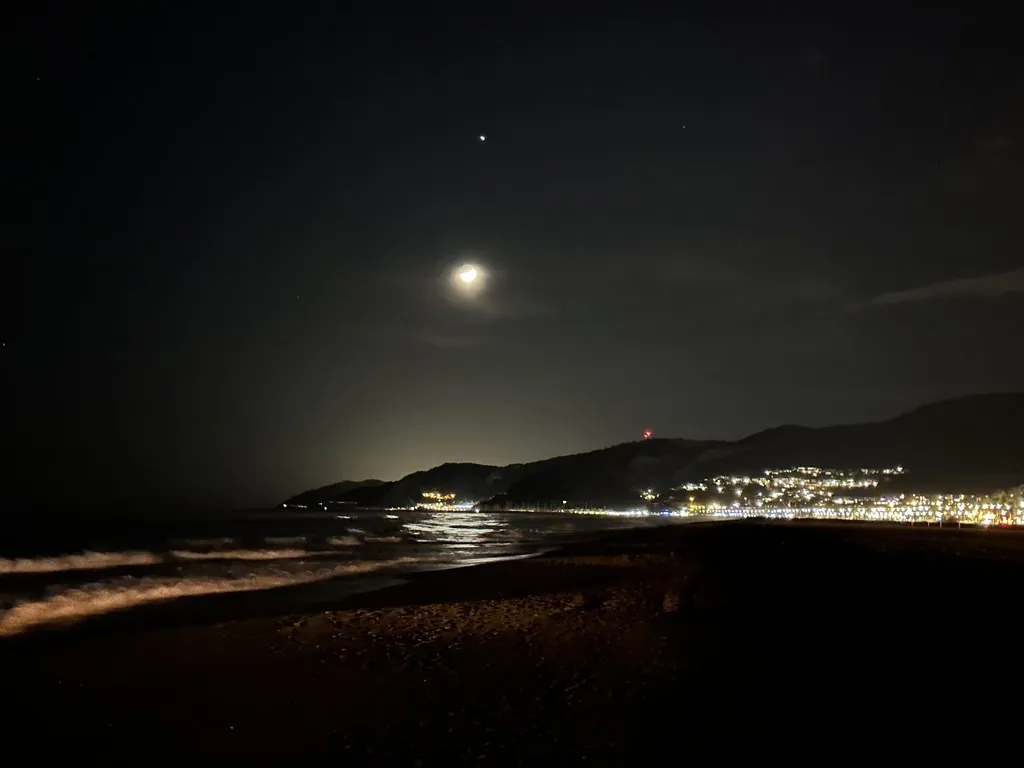
What the place does not do is beaches. The Med is a twenty-minute bus ride away (take the L46 to Castelldefels), but you will be sharing the sand with half of Barcelona. Better to stay inland, borrow a bike from the hotel and follow the riverside path west until the apartment blocks thin out and you reach vegetable plots protected by plastic sheeting that flaps like prayer flags in the breeze.
When to come, when to leave
Spring and autumn are kindest. Summer brings 32 °C heat that bounces off the asphalt; the river path offers almost no shade and the Jujol houses become ovens. Winter is mild but misty; on windless afternoons the planes descending into El Prat seem to materialise from nowhere, engines already throttled back for landing. The local fiesta, around 24 June, turns the centre into a karaoke fairground; if you want correfocs (devils and fireworks) without central Barcelona’s shoulder-to-shoulder crush, this is a good compromise. Book early: the two chain hotels sell out months ahead.
Leave before you start recognising the supermarket cashiers. Sant Joan Despí works best as a two-day detour: one day for the architecture, one for the river and the vegetable markets, then back to the city or on to Montserrat. It will never be “hidden” or “undiscovered”; half the residents commute to Barcelona and Ryanair passengers crash here nightly. What it offers is a slice of workaday Catalonia where modernism is still lived in, not vacuum-sealed behind audio guides. Come for Jujol’s curves, stay for the Saturday-morning vermouth, and catch the 22:55 train home before the silence becomes too complete.