Full Article
about Albinyana
Quiet Penedès village with a well-preserved old center, surrounded by woods and vineyards.
Ocultar artículo Leer artículo completo
The water-park opens at ten, but the tractors start at seven. That's Albinyana in summer: families queueing for slides while farmers haul grapes the other direction. This split personality—rural workhorse meets low-key holiday base—makes the village useful rather than unforgettable, which is exactly how locals like it.
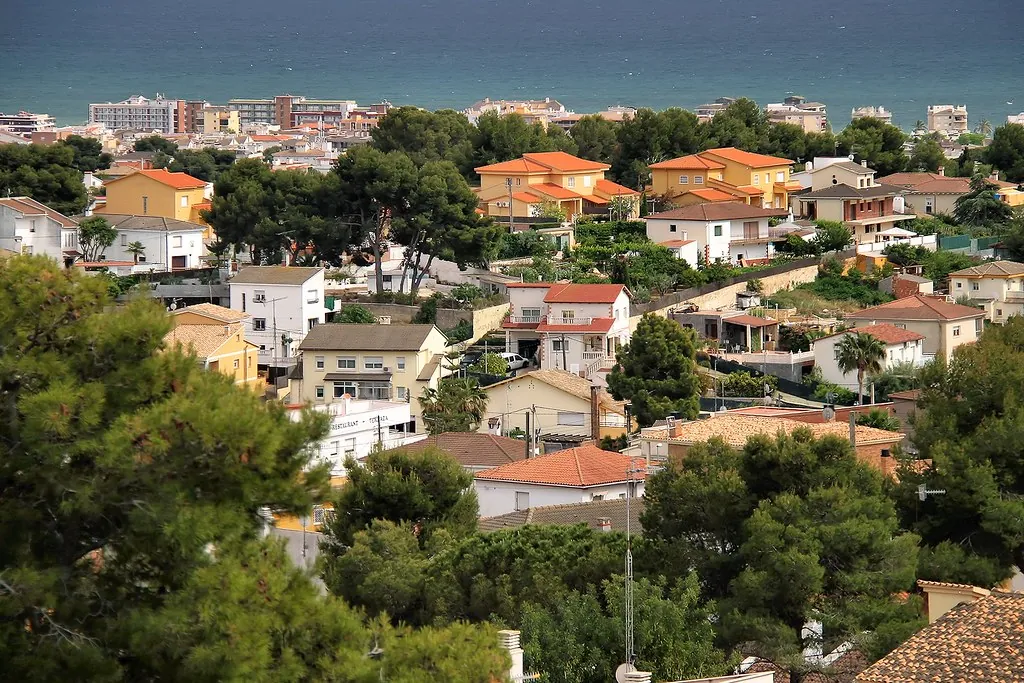
Perched 198 m above sea level, the old centre looks across vines to the coast 12 km away. The Mediterranean glints silver on clear days; on hazy ones the hills feel land-locked and you could be 100 km inland. That halfway position explains the temperature drop after sunset—bring a jumper even in August—and the morning mist that burns off by coffee time.
Stone, wine and the smell of wood-smoke
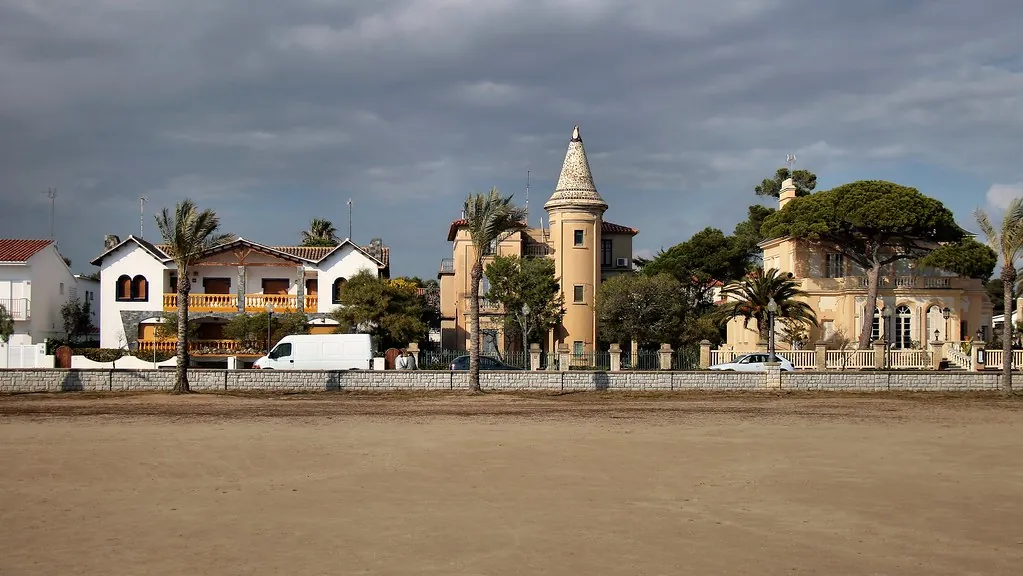
No single monument demands attention. Instead, a five-minute loop from the parish church of Sant Pere threads narrow lanes where stone doorways still carry medieval grooves for sliding bolts. House colours fade from ochre to rose, the paint baked powdery by sun that reaches the pavement only at midday. Winter visits catch the whiff of almond-wood fires; summer ones hear clacking dominoes under the plane trees in Plaça Major.
The church itself is often locked. Peer through the grille and you’ll spot 12th-century capitals mixed with 18th-century plaster. The bell strikes quarters whether anyone is listening or not—time-keeping for swallows rather than sightseers.
Walk south-east and tarmac turns to track; within ten minutes the only sound is pruning shears. Albinyana sits inside the DO Penedès boundary, so every direction is a chessboard of vines. September brings trailers piled high with garnatxa blanca; October smells of yeast and diesel as the first must ferments in nearby Nulles. There is no flagship bodega in the village itself—those are saved for larger Sant Sadurní—but drop into Celler Mas Foraster on a weekday morning and someone will fill a plastic bottle of young white for three euros.
Aqualeón and other contradictions
The elephant in the room—or rather, the jaguar on the signage—is Aqualeón water-park, 2 km north. Slides snake through pine woods, providing shade rare on the Costa Daurada and shaving queue times to under fifteen minutes if you arrive before 11 a.m. British families treat it as a private annex: cheaper hotels than Salou, zero karaoke bars, and you can still hit PortAventura (25 min drive) for roller-coasters when the kids demand bigger thrills.
Tickets peak at €32 online, €38 on the gate; August weekends sell out by late morning. Lockers take only coins, cards are useless, and the snack bars stock jamón crisps alongside bacon-style bocadillos for children who swear they hate tortilla. English is hit-and-miss—learn "tobogán rápido" if you want the fast slide.
Back in the village the contrast is deliberate. Evening belongs to tractors returning from the fields, headlights sweeping across the playground. Teenagers vanish indoors; British kids splash in rental pools while parents compare car-hire horror stories over €3 glasses of local white.
Getting here, getting fed, getting stuck
Albinyana has no railway. Reus is the nearest airport (45 min), Barcelona 55 min if the AP-7 behaves. Car hire hovers around £25 a day; a pre-booked transfer costs £70–90 each way, so the maths is easy. The last bus from Tarragona leaves at 19:30—miss it and a taxi is €60.
Inside the village everything is five minutes on foot, but gradients reach 1:8; buggies need muscles. The single grocery opens 09:00–14:00, 17:00–20:30; siesta still rules. Top up with essentials in Valls or El Vendrell before you arrive or you’ll be hunting crisps at petrol-station prices.
Restaurant choice is slim but honest. Cal Ton sits opposite the church and serves grilled rabbit that tastes like extra-garlicky chicken; weekday menú del día is €14 and includes wine. Calçot season (Jan–Mar) turns Saturday lunch into a smoke-filled sport: bibs provided, hands blackened, bookings essential. Vegetarians get omelette or salad—no apologies.
When to come, when to leave
May and mid-September give you warm pool weather without August gridlock on the AP-7. Vines are neon-green in May; by late September they’re gold and the smell of crushed grapes drifts across the car park. Easter can be wet—mountain cloud rolls in and the water-park doesn’t open until the following weekend.
Winter is quiet enough to hear the church bell from any bedroom, but nights drop to 4 °C and rental villas charge heating supplements. Unless you’re after hiking and calçots, stay coastal.
Most visitors last two nights: one full day at Aqualeón, one trip to Tarragona’s Roman ruins or Sitges for seafood paella, then off to Barcelona or home. Albinyana suits that rhythm. Treat it as a cheap, clean base with decent wine on tap and you’ll be content; expect nightlife or boutique charm and you’ll be asleep by ten—probably in a tractor’s headlights.