Full Article
about Banyeres del Penedès
Wine-growing municipality with a significant historical and cultural heritage in the heart of Penedès.
Hide article Read full article
A turn off the road that changes the rhythm
You know that moment on a long drive when you’re just following the tarmac, and your brain goes on autopilot? That’s the AP-7 past Tarragona. Then you take the exit for Banyeres del Penedès, and within minutes you’re on a local road that feels like it’s made of different stuff. The GPS gets a bit confused, telling you to go straight while ahead there’s nothing but vines rolling out to low hills, with a single stone tower sticking up like a forgotten chess piece. That’s the first thing about Banyeres: it makes you hesitate. Most cars don’t. They keep going towards the coast. The ones that pull over usually get it.
The tower that got the memo
That tower is the postcard. It’s from around the 11th century, or at least what’s left of it is—about ten metres of stubborn stone that’s seen lords, wars, and now a parade of people trying to get a selfie with a vineyard backdrop. The walk up from the plaza is short; even my dad with his bad knee managed it. But do it in August and you’ll feel it. Bring water.
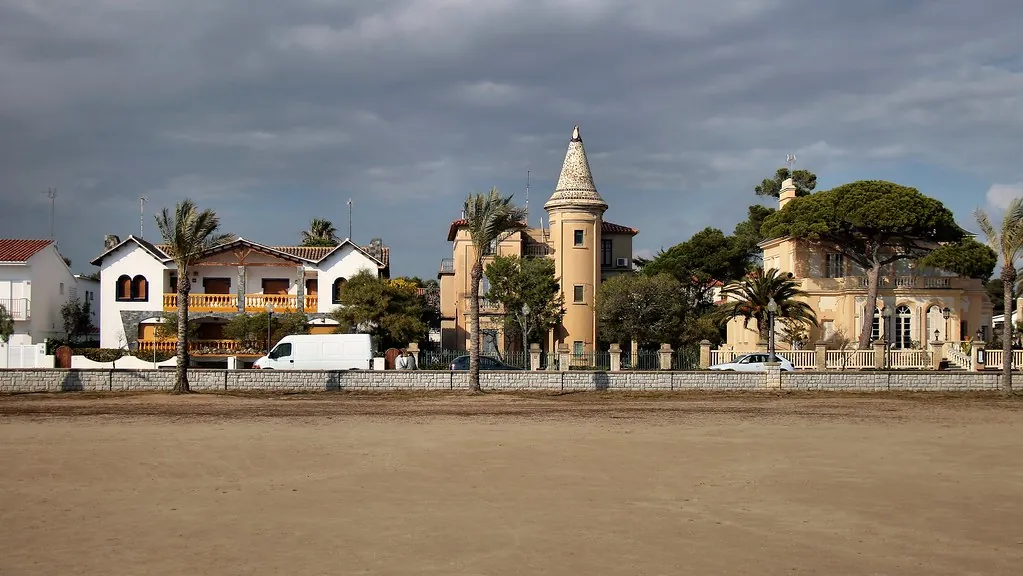
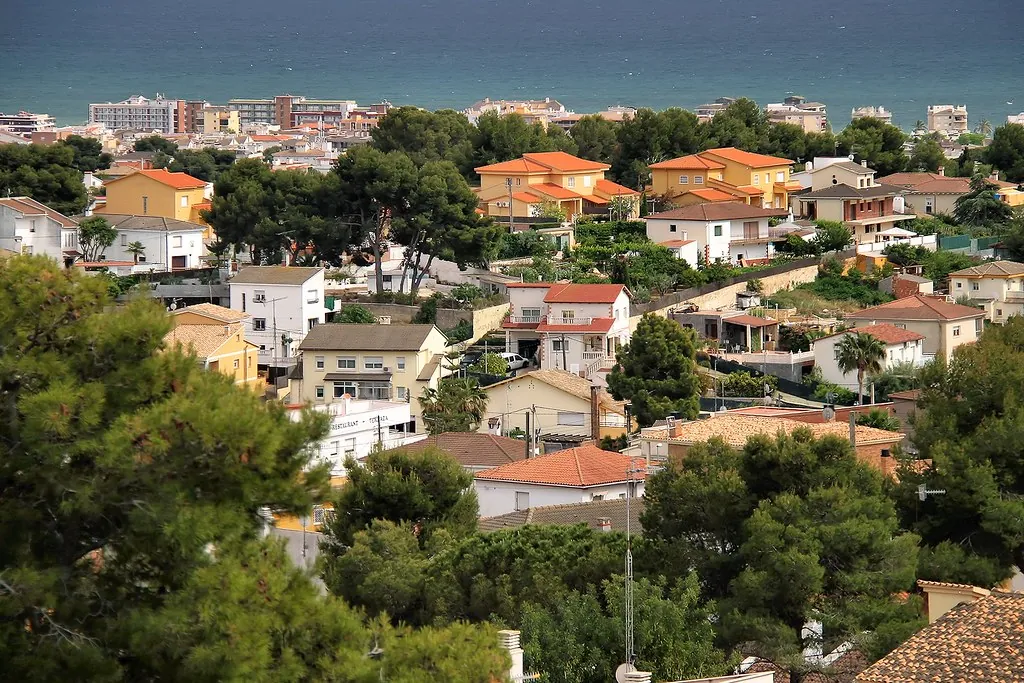
The view from there explains the village better than any map. It’s not a tight knot of streets. It looks more like someone scattered some houses into a hollow and then let the vineyards swallow everything else. Down below, life moves at ‘trámite administrativo’ pace. Up here, it’s just wind, stone, and an ocean of vines. That gap between the two is basically the whole story.
Vines as neighbours, not decoration
Around here, a vineyard isn't scenery. It's your neighbour's office. If you walk any of the paths towards Llorenç del Penedès, you'll probably have to step aside for a flock of sheep doing their morning rounds between the rows. No one's putting on a show for you; they're just cutting the grass the old-fashioned way. It works.
One of those official Penedès wine routes cuts through here. You can follow it for kilometres on farm tracks past masies and gentle slopes that never quite become hills. It's not hiking; it's more like paced wandering. The point is to notice how the green goes silver in summer and rusty in autumn.
Come late summer, the rhythm shifts. The harvest kicks in, and there's a different buzz—less tractor noise, more festival posters in the square.
Stones that turned up uninvited
Back in the late 90s, someone was digging near Les Masies de Sant Miquel for something mundane and hit ancient stones instead. Classic Mediterranean move. They'd found an Iberian settlement.
What's there now isn't a museum. It's a fenced-off patch of ground reached by a farm path, with some low walls that help you sketch the rest in your head. After rain, that path turns into sticky clay that clings to your boots like guilt. But standing there, looking at those two-thousand-year-old foundations with a modern vineyard right behind them—that does something to you.
Almond dust and firelight
If you visit around November 1st, follow your nose. The smell of toasted almonds means panellets are coming out of ovens everywhere—small marzipan sweets that are deceptively simple and ridiculously moreish. Every bakery has them, and every household eats about three times as many as they planned to.
The other big night is Sant Joan in June. They light bonfires up by the castle area and half the village turns out. For a place this size, it gets properly loud and lively. It cools down fast after dark though; bring a jumper.
When to swing by
Try arriving on a sweltering Sunday afternoon in August and you'll spend 20 minutes driving in circles looking for somewhere to leave your car while everyone else is doing their paseo.
Come on a weekday morning instead. You can amble through the centre, hike up to the tower, lose an hour on a vineyard path, and still be sitting down for lunch before the rush starts. Autumn is its own thing—the vines turn colour and there's this sweet, fermented smell hanging over parts of the county like faint gossip.
Banyeres isn't trying to be the prettiest village in Catalonia. It feels more like a working compromise between stone and vine. Its whole point is that quiet decision to turn off when you didn't have to, and then finding enough reasons to stay for lunch