Full Article
about Bellvei
Quiet municipality blending farming tradition with residential areas near the Penedès coast.
Ocultar artículo Leer artículo completo
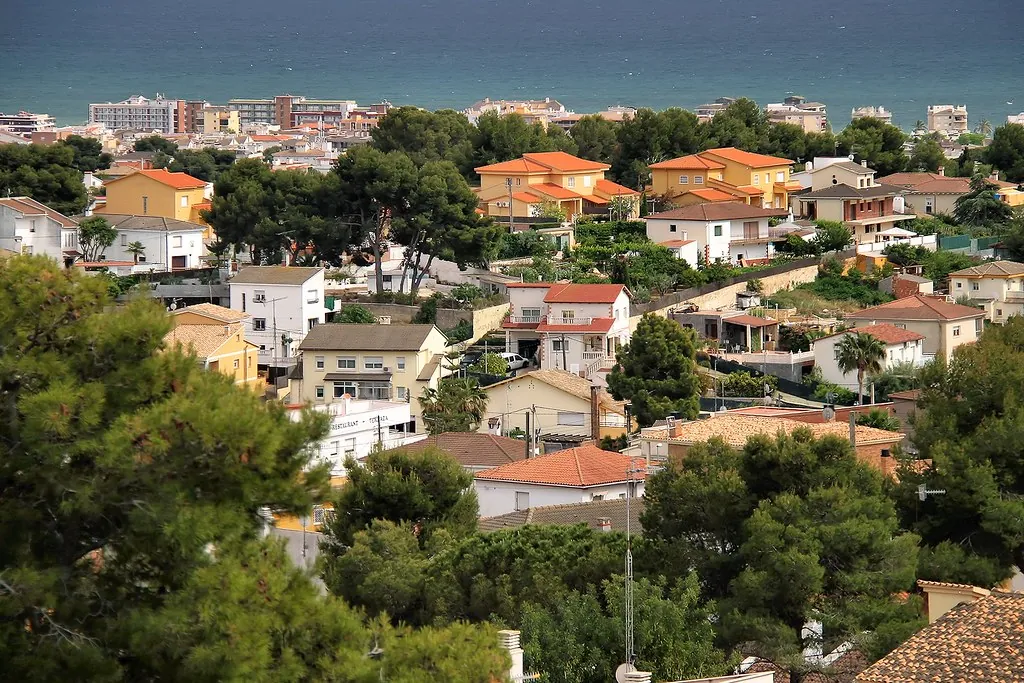
The church bells strike noon as an elderly gentleman wheels his bicycle past the bakery, a paper-wrapped loaf balanced precariously in the basket. Through the narrow streets of Bellvei, the aroma of freshly baked pa mingles with something else—the faintest suggestion of salt air, carried 8 kilometres inland from the Mediterranean. This is a village that exists in two worlds: rooted firmly in its vineyards yet forever glancing towards the sea.
At 143 metres above sea level, Bellvei occupies that sweet spot where the Baix Penedès wine country begins its gentle roll towards the coast. The altitude makes all the difference. Summer mornings arrive cooler than the beach resorts, the dew hanging longer in the gnarled avinya vines that surround the village like a verdant moat. By afternoon, thermal winds sweep in from the sea, preventing the grapes from roasting on their stems—a natural air-conditioning system that vintners have relied upon for centuries.
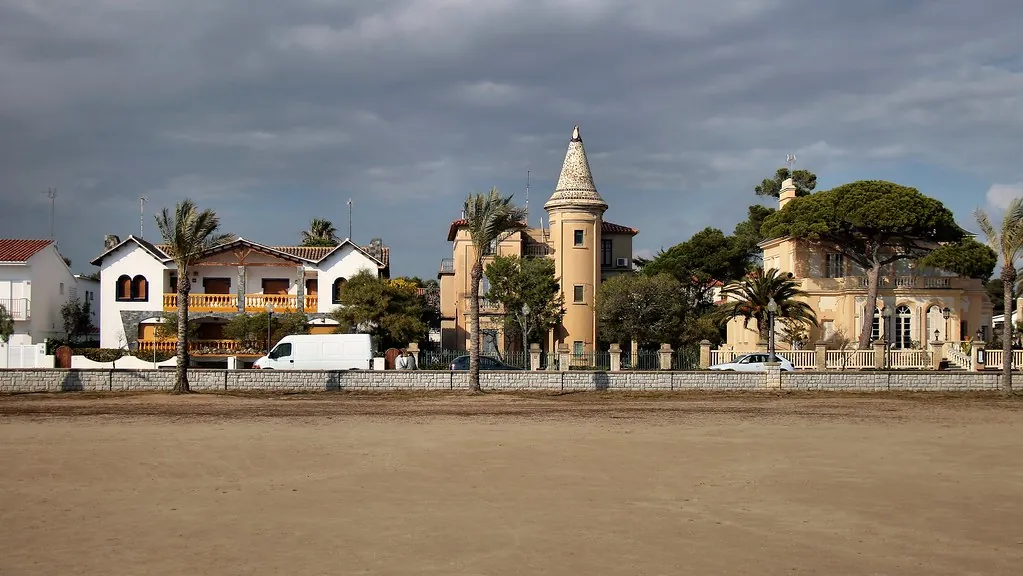
The village centre reveals itself slowly, modestly. There's no dramatic plaza mayor here, no medieval walls to speak of. Instead, 19th-century stone houses line grid-patterned streets, their ground floors given over to practical concerns: a butcher's shop with butifarra sausages dangling like edible bunting, a pharmacy displaying homeopathic remedies beside sunscreen, and Bar Central where locals gather for café amb llet served in glasses that retain the heat just long enough. The parish church of Sant Joan Baptista stands at the highest point—not cathedral-grand but honest, its weathered sandstone walls testimony to continuous use rather than careful preservation.
Walking Through the Working Landscape
The real Bellvei reveals itself beyond the last houses, where asphalt surrenders to packed earth and the carrers become camins. Here, the relationship between village and land becomes tangible. Dry-stone walls divide vineyards from hazelnut groves, each terrace built by hand over centuries. In spring, the fields explode into an almost violent green—wheat shooting up between the vines, wild fennel releasing liquorice-scented clouds when crushed underfoot. By late August, the colours shift to gold and rust, the earth cracked and thirsty until the September harvest brings temporary relief.
Walking these paths requires no special equipment, just sensible shoes and water. The GR-92 long-distance trail skirts the village boundaries, offering two-hour loops that pass abandoned masias whose stone skeletons slowly surrender to ivy and fig trees. From the highest point, known locally as el turó, the Mediterranean appears as a silver thread on the horizon, glinting between the coastal hills. On exceptionally clear winter days, the distinctive profile of Tarragona's cathedral breaks the line between sea and sky.
Cyclists find Bellvei equally accommodating, though the terrain rewards those seeking gentle exercise over adrenaline. The old railway line between Sant Vicenç de Calders and Valls has been converted into a via verda, a greenway where bikes have priority over cars. Following it southwards brings you through tunnels of plane trees to the marshlands of the Gaià delta, where flamingos sometimes pause during migration. Northwards, the route climbs gradually towards the Penedès heartland, past cellers where the smell of fermentation hangs heavy in autumn.
The Wine That Isn't Cava
Bellvei's relationship with wine differs markedly from the effervescent celebrations of nearby Sant Sadurní d'Anoia, cava's capital. Here, production remains resolutely small-scale, family-operated, and focused on still wines. The local cooperative, established in 1954, processes grapes from 150 smallholders whose average holding barely exceeds 3 hectares. Their vi de pagès—literally "peasant wine"—arrives in unlabelled bottles, sold directly from the celler door at prices that seem misplaced in the 21st century: €2.50 for a litre of perfectly drinkable red.
The grape varieties tell their own story of adaptation and survival. Xarel·lo, normally destined for cava, here becomes a still white wine with enough acidity to cut through the region's rich cuisine. Sumoll, an almost-forgotten red variety, produces light, slightly peppery wines that taste best slightly chilled—Catalonia's answer to Beaujolais. Visiting during harvest in mid-September offers a masterclass in organised chaos: tractors arrive at dawn laden with cossis (panniers) of grapes, while families sort clusters on long tables, children earning pocket money for each crate they fill correctly.
Tastings require advance arrangement—telephone numbers painted on weathered doors connect you directly with growers who may or may not answer, depending on the season's pressures. Don't expect polished visitor centres or gift shops selling tea towels. Instead, tastings happen in working barns where the year's verema progresses around you, conducted in Catalan with generous gestures substituting for shared vocabulary.
When the Day Winds Down
Evening approaches with theatrical suddenness. One moment the sun blazes overhead; the next, shadows stretch across the vineyards and swifts perform their final aerial displays before roosting. The village's two restaurants fill slowly, following no discernible schedule—dinner might begin at 9 pm or 10:30, depending entirely on when the chef arrives.
At Can Xarau, three generations serve food that would cause riots if served in London at these prices. Calçots appear between January and March, their long white stalks charred black over vine cuttings, served with romesco sauce that stains fingers and clothing with equal enthusiasm. The house speciality, fideuà de marisc, substitutes short pasta for rice, each grain toasted in sofrito before fish stock creates something approaching edible gold. Local cava arrives by the carafe—no vintage dating, no marketing spiel, just bubbles that clean the palate for the next forkful.
Bar Central offers a different experience entirely. Here, the menú del día costs €12 and changes according to what appeared at the morning market. Wednesday might bring escalivada—smoky roasted vegetables dressed with local olive oil—followed by rabbit stewed with samfaina, Catalonia's more sophisticated answer to ratatouille. Friday promises bacallà a la llauna, salt cod baked with garlic and paprika until it forms a crust that shatters under fork pressure. The television mutters in the corner, locals debate football scores, and time passes according to rhythms established long before tourism arrived.
The Practical Reality
Getting here requires planning or blind faith in rural transport. The nearest train station at El Vendrell sits 8 kilometres away, connected by a bus service that operates on academic rather than commercial timetables—morning departures favour schoolchildren, afternoon returns assume everyone's home for lunch. Taxis from El Vendrell cost €12-15 but must be booked; don't expect ranks of black cabs waiting optimistically.
A car transforms the experience entirely. From Reus airport, it's 40 minutes through countryside that grows progressively greener as the sea influence strengthens. From Barcelona, the AP-7 motorway delivers you in 50 minutes, though the €7.45 toll seems designed to discourage casual visitors. Once arrived, parking presents no challenges—Bellvei's population of 2,400 includes ample space for visitors' vehicles.
Accommodation remains limited, part of the village's resistance to change. Ca La Florinda offers five rooms above a former bakery, each named for grape varieties, with breakfast featuring homemade coques—Catalan flatbreads topped with sugar or sobrassada. Alternatively, stay in El Vendrell and visit Bellvei as a day trip, combining vineyard walks with afternoon beach time at Coma-ruga's long sandy stretch.
Sunday visitors face particular challenges. The bakery closes, restaurants operate on reduced hours, and the village returns to private life. Plan accordingly—visit the Saturday morning market in El Vendrell for supplies, book restaurant tables in advance, and accept that Bellvei's rhythms won't adapt to your schedule.
Bellvei offers no postcard moments, no Instagram opportunities beyond the occasional sunset over vines. Instead, it provides something increasingly rare: a place where agriculture continues unchanged, where lunch lasts three hours, where strangers become temporary locals through the simple act of showing up. The village doesn't need your visit, but if you arrive with patience and reasonable Spanish, you'll leave understanding why some places resist the temptation to become destinations.