Full Article
about Bonastre
A village surrounded by forests and vineyards, known for its quiet and local produce.
Hide article Read full article
A Village You Find Almost by Accident
Some places appear without much warning. You are driving between vineyards, turn onto a secondary road and suddenly there is a bell tower and a handful of sloping streets. Tourism in Bonastre feels a bit like that. You arrive with few expectations and quickly understand how the place works.
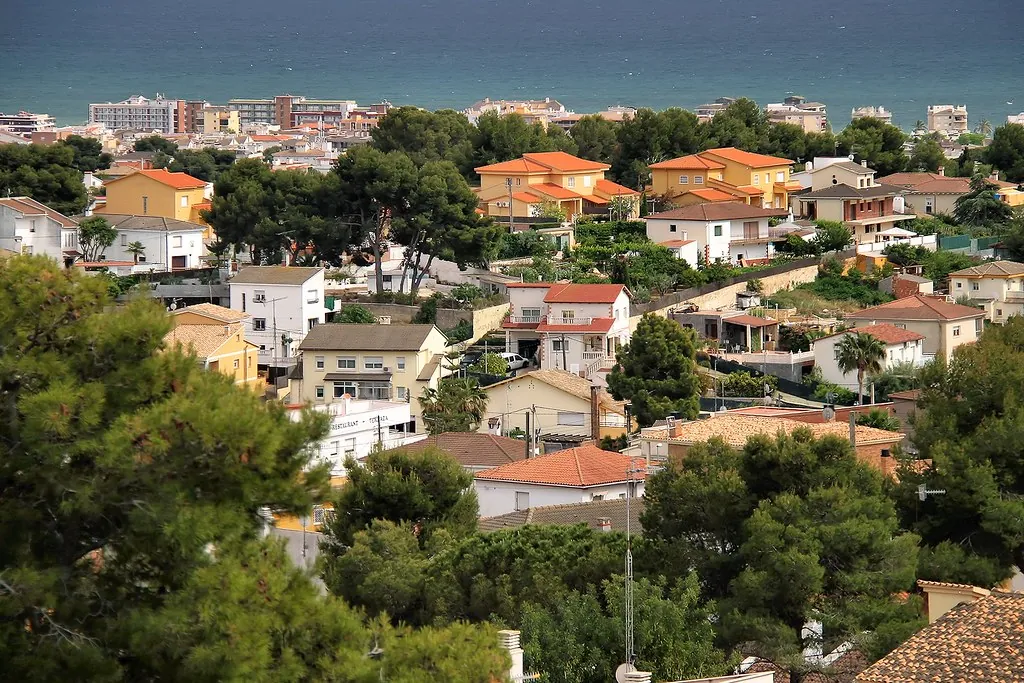
Bonastre is in the Baix Penedès, in Catalonia, and has around 770 inhabitants. It lies just a few kilometres from the Mediterranean, yet the atmosphere is clearly inland. More tractor than beach umbrella. More vine than seafront promenade. The contrast is noticeable from the start.
Although the sea is close, Bonastre does not revolve around it. This is a village shaped by agriculture rather than by summer tourism. That difference defines both the landscape and the pace of daily life.
Arriving in Bonastre: A Land of Vines
Entering the village, it becomes clear that everything revolves around the countryside. Not as decoration, but as real work. On the outskirts there are neatly ordered vineyards and plots that have been cultivated for a long time.
The Baix Penedès has lived from wine for centuries, and that history is written into the landscape. This is not the most famous part of the Penedès, nor the one that tends to feature in glossy brochures, but it remains vineyard country. On clear days, from some of the higher points, you can just make out the Mediterranean in the distance, as if the sea were glancing over from afar.
The setting is gentle rather than dramatic. Low hills, open fields and rows of vines create a patchwork that changes with the seasons. In spring the green is intense. As summer arrives, the tones become drier and more muted. It is a worked landscape, not a wild one, and that says a great deal about how people live in this part of the comarca.
The Village Centre: Small Scale, No Spectacle
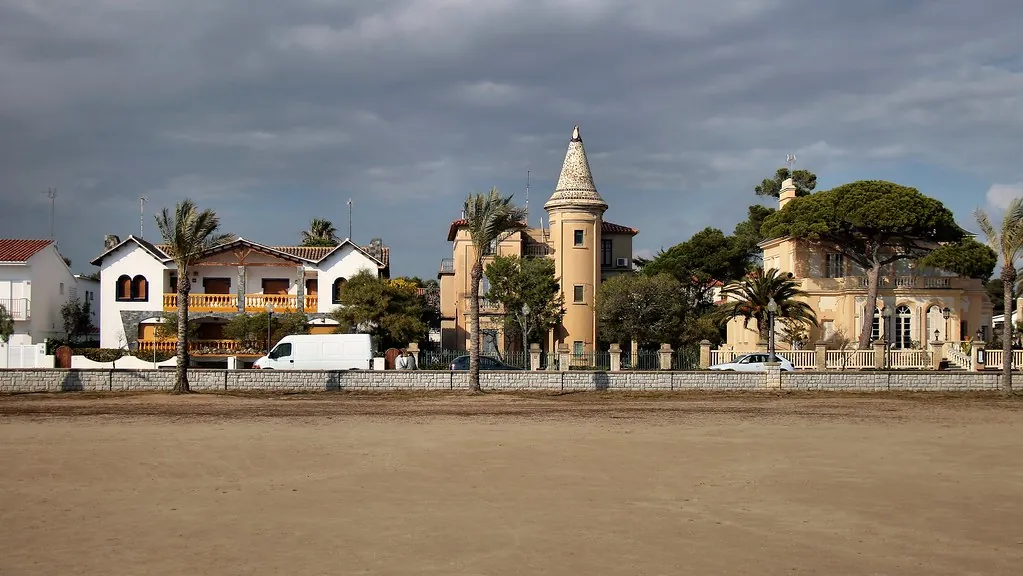
The centre of Bonastre can be explored quickly. In less than an hour you will have seen most of it. Narrow streets, some of them sloping, stone houses mixed with more recent buildings and small squares where silence is common.
There are no major monuments or museums. Curiously, that works in its favour. Walking through Bonastre feels more like strolling through a quiet residential neighbourhood than visiting a place designed to receive a steady flow of visitors.
Everyday scenes unfold without any sense of performance. A neighbour chatting in a doorway. A dog stretched out in the sun. These are moments that are not arranged for anyone in particular.
The absence of headline attractions changes the way you move through the village. There is no checklist, no obvious route from one landmark to the next. Instead, the interest lies in observing how the streets connect, how the houses adapt to the slope and how the countryside begins almost at the edge of the last building.
Vineyards and Open Paths
What becomes more interesting for many visitors starts just beyond the built-up area. The surroundings are criss-crossed by agricultural tracks that cut through vineyards and open fields.
The terrain is soft, with small hills rather than steep climbs. It is enough to offer broad views over the cultivated mosaic without ever feeling demanding. The experience shifts with the time of year. Spring brings a vivid green across the vines. Later, the colours turn earthier as the heat settles in.
Several dirt tracks leave from around the village. Farmers use them for work, and locals use them for walking or cycling. They are wide and easy to follow, with little risk of losing your way.
This is not a place for serious mountain routes or significant elevation gain. The usual plan is simpler: walk for an hour, pause to look over the vineyards, continue a little further and then head back towards the village. It is the kind of outing that does not require a hiking app or a detailed map.
Because the landscape is cultivated, it tells a clear story about labour and continuity. The vines are not decorative features. They are part of an ongoing agricultural rhythm that shapes both the economy and the scenery of the Baix Penedès.
A Village Rhythm Marked by the Calendar
Bonastre is small, and that size sets the pace. There is no defined tourist scene as in other parts of the Penedès. Life remains closely tied to the agricultural calendar and to local celebrations.
At the end of August, the village celebrates its festa major dedicated to Sant Pere. In Catalonia, a festa major is the main annual festival, usually honouring a patron saint and bringing together traditional events, music and gatherings. During those days Bonastre is livelier than usual. There are traditional activities, music and meetings between neighbours who, in many cases, have known each other all their lives.
Outside those dates, the atmosphere returns to calm. The streets settle back into their usual quiet. The vineyards continue their seasonal cycle.
That contrast between a brief burst of collective celebration and long stretches of tranquillity is part of the village’s character. The festa major does not transform Bonastre into a large-scale event destination. It remains, above all, a local celebration.
Is Bonastre Worth the Detour?
Bonastre is not somewhere you would typically travel to from far away as a main destination. It does not compete with larger towns or coastal resorts. Yet if you are exploring the Baix Penedès, or travelling between the coast of Tarragona and the inland areas, stopping here makes sense.
It is one of those villages that helps you understand how the territory functions once you move away from the most visited spots. Vineyards stretching out in ordered rows. Quiet tracks between fields. A pace of life that does not attempt to impress.
The appeal lies in its normality. There is no grand narrative, no curated experience. Instead, Bonastre offers a straightforward glimpse of rural life in this part of Catalonia, shaped by centuries of wine production and by a small community that continues to revolve around it.
Sometimes that is enough.