Full Article
about El Montmell
Large, mountainous municipality with the comarca's highest peak and historic ruins.
Hide article Read full article
El Montmell, o cuando el Penedès se pone cuesta arriba
Hay sitios a los que llegas casi por descarte. Vas conduciendo por la carretera que atraviesa el Baix Penedès, con ese paisaje de viñas y masías desperdigadas que parece no acabarse nunca, y de repente un cartel señala una desviación que serpentea hacia las colinas. Te da por seguirla, el coche empieza a subir, y al rato estás en El Montmell.
No es un nombre que suela aparecer en las listas de pueblos recomendados. Pero si hablas con gente de por aquí, lo mencionan con naturalidad, como quien habla de un sitio conocido. Y cuando llegas, entiendes por qué.
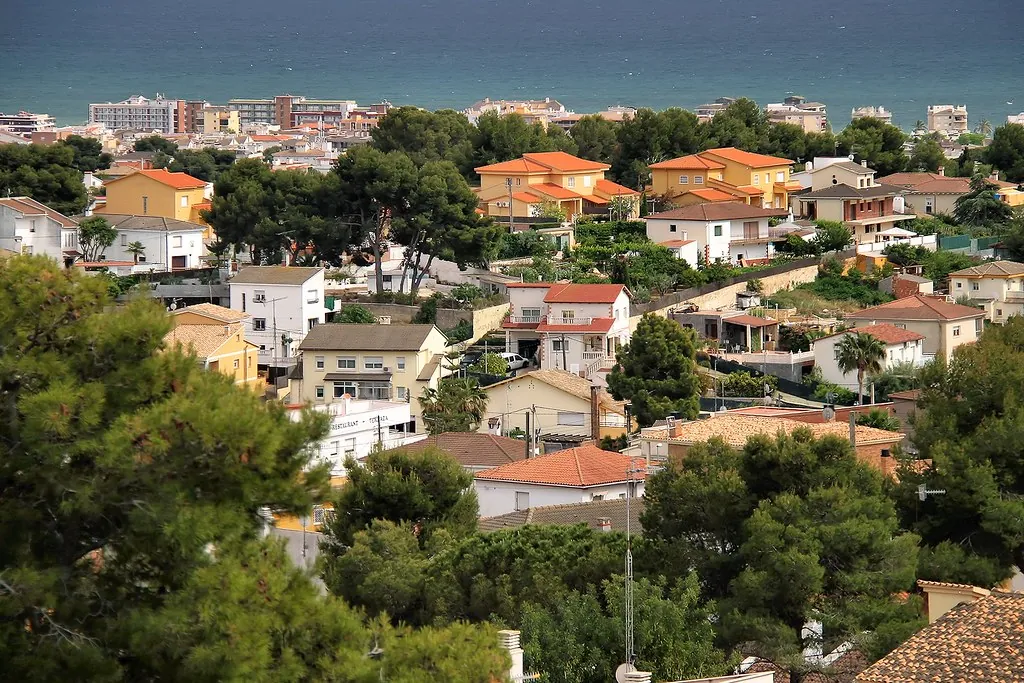
El Montmell es uno de esos municipios catalanes que es más territorio que pueblo. Menos de dos mil personas viven repartidas entre el núcleo histórico y unas cuantas urbanizaciones y caseríos alrededor de la sierra. Aquí no hay una gran plaza llena de terrazas; la sensación es más bien la de adentrarse en una zona rural donde las viñas y los pinos mandan.
Un núcleo viejo pegado a la ladera
El pueblo antiguo está encaramado en la falda de la sierra. La carretera sube con decisión y, al llegar, el ritmo cambia de golpe: calles empinadas, casas de piedra y un silencio que se nota. Es ese tipo de sitio donde parece que el tiempo pasa más despacio.
En lo alto está la iglesia de Sant Pere. Tiene origen románico, aunque como pasa con muchas iglesias por aquí, le han ido añadiendo cosas con los siglos. No es una joya arquitectónica perfecta, pero tiene personalidad.
Las vistas desde sus alrededores son las que te explican todo. Hacia un lado, se ve la llanura del Penedès desplegándose; hacia el otro, en los días claros, se intuye una línea azul tenue que es el mar. Desde aquí arriba cobra sentido la geografía de esta comarca: colinas que bajan hacia las viñas y, más allá, la costa.
Las ruinas con mejor vista del Baix Penedès
Por encima del pueblo están los restos del Castell del Montmell. Queda poco más que unos muros y una torre, pero la ubicación lo justifica todo. Subir hasta allí no lleva mucho –unos quince minutos– pero es cuesta arriba sin tregua. En verano, mejor hacerlo a primera hora o al atardecer.
La recompensa es una panorámica abierta en 360 grados sobre el Baix Penedès. Desde aquí se lee el territorio: ves cómo se ordenan los campos de viña, por dónde pasan los caminos y dónde se esconden los otros pueblos. El viento suele soplar con ganas.
Muy cerca, casi escondida entre vegetación y bancales viejos, está la ermita románica de Santa Magdalena. Su soledad le da un punto especial; parece un recordatorio de cuando esta sierra era solo cultivos y monte bajo.
Senderos para ir sin prisa
Los alrededores son para caminar sin grandes pretensiones. Una mezcla típica de esta parte de Tarragona: bosque mediterráneo (pinos, encinas) intercalado con viñedos y algunos almendros.
Hay caminos señalizados por la sierra y pistas forestales que se pueden recorrer a pie o en bici. No esperes paisajes alpinos; esto es otra cosa. El atractivo está en el ritmo pausado, donde el sonido predominante suele ser el de los grillos antes que el de ningún motor.
Es un terreno amable para andar durante una mañana sin repetir mucho camino. Las pendientes son llevaderas y la sensación es más bien agradable: un paisaje modelado tanto por la agricultura como por la naturaleza.
Viñas como parte del mobiliario
Estamos dentro de la D.O. Penedès, así que el vino no es solo una industria aquí; es parte del paisaje cotidiano. Muchas parcelas se trabajan aún de forma bastante tradicional; no es raro ver a gente podando o labrando como se ha hecho siempre.
No vas a encontrar grandes bodegas turísticas ni aparcamientos para autobuses. Esto sigue siendo principalmente zona agrícola donde el vino forma parte del día a día. Los campos están cuidados porque son el sustento; esa relación directa con la tierra se nota.
Recorrer este rincón del Baix Penedès te da una versión más interior –y menos mediática– de lo que es esta comarca lejos de la costa. El mar puede verse a lo lejos en días claros, pero la vida diaria gira alrededor de las colinas y las cepas.
Mejor fuera del calendario oficial
La primavera y el otoño son probablemente los mejores momentos para venir. En abril o mayo todo está verde; en octubre las viñas cambian de color y ponen tonos dorados en las laderas.
En verano hace calor –y bastante– aunque durante las fiestas mayores (normalmente en agosto) hay más movimiento local. Si buscas silencio absoluto ve entre semana; encontrarás el pueblo casi vacío.
Esa tranquilidad es parte fundamental del lugar. El Montmell no compite por tu atención ni te pide que hagas una lista interminable. La visita puede ser algo sencillo: subir hasta las ruinas del castillo, dar una vuelta por las callejuelas del núcleo antiguo, pararte un rato a mirar hacia esa llanura inmensa desde lo alto. A veces eso ya es suficiente