

Full Article
about El Vendrell
Capital of Baix Penedès and birthplace of Pau Casals, with beaches at Coma-ruga and San Salvador.
Hide article Read full article
El Vendrell is like that friend who casually mentions they have a boat, but only after you've known them for years. You think it's just a normal town, a bit inland, with roundabouts and supermarkets. Then they drop the fact they have seven kilometers of coastline. And thermal springs. And Pau Casals was born on their main street. It’s a place that keeps its cards close to its chest.
This isn't a town that stopped for tourism. The traffic in the centre is real traffic, people are doing their shopping, and the architecture is more functional than fancy. That’s not a criticism; it just means you're walking through someone's actual Monday morning.
The split personality: town and sea
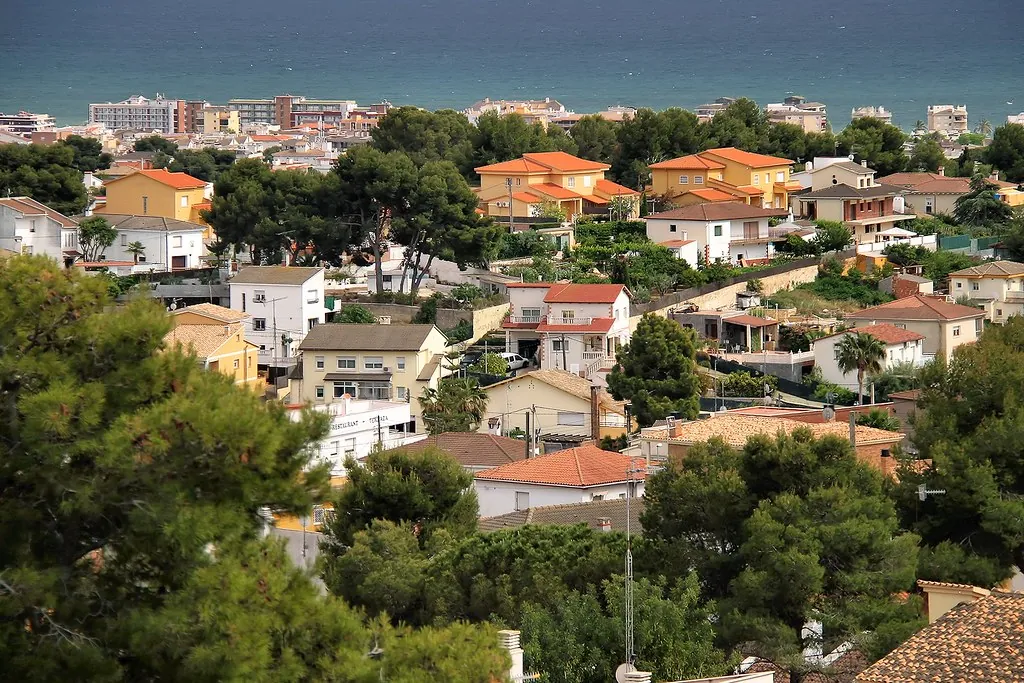
The centre feels grounded. Wide streets, apartment blocks, the hum of daily life. It’s not trying to charm you. But drive ten minutes towards Sant Salvador and the air changes. Literally. The light gets brighter, the buildings spread out, and suddenly you're looking at the Villa Casals with the Mediterranean as its garden. The shift is so abrupt it feels like changing channels.
That contrast is the whole point of El Vendrell. You get the practicality of a working town and the space of a long coastline, without either one feeling like a theme park version of itself.
The long stretch of sand
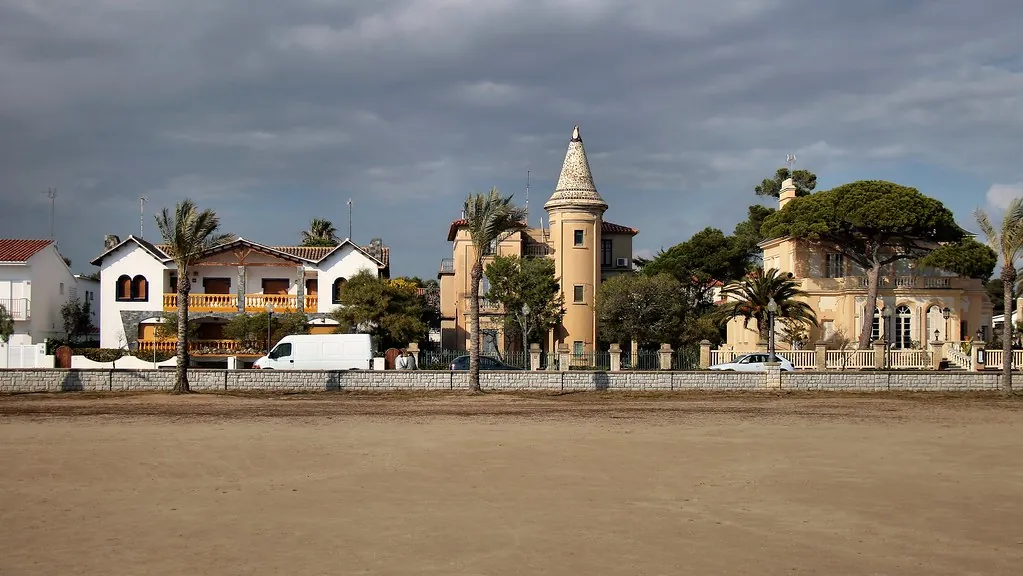
The beach here isn't a cute cove. It's a proper, lengthy stretch of sand and promenade from Sant Salvador down through Coma-ruga. It’s the kind of place where people come to stay for the day—you see the cool boxes, the umbrellas, the towels over shoulders.
It’s well-kept, I’ll give it that. The sand is clean, the promenade is swept, and everything works like it's supposed to. The water is what you'd expect for this part of Catalonia: gentle and rarely rough.
My favourite time is around six in the evening. The families start packing up, the heat loosens its grip, and you can have a proper swim without bumping into anyone. Then you join everyone else on the paseo for that slow, post-beach stroll.
Following Casals from birth to beach
Pau Casals is everywhere here, but in two very different moods. His birthplace in town is understated—a solid house on a quiet street that shows you where he started. It feels domestic.
Then you have his summer villa in Sant Salvador, right on the beachfront. This place has drama. You walk through rooms filled with his cellos and photos with presidents, then step out onto the terrace facing the same sea he looked at every summer.
They hold concerts in the auditorium there. Seeing people walk in with flip-flops and sandy feet to listen to chamber music somehow makes perfect sense here.
Eating like it's always in season
Forget light summer salads. The dish you need to know about is xató. It looks like a simple plate of escarole with some fish on top. Then you taste the sauce—nuts, garlic, ñora peppers—and realise it has more depth than most novels.
The telling detail? You can order xató here in August without getting strange looks from the waiter. It’s a year-round commitment.
Keep an eye out for coca enramada too; it's a thin, crispy pastry with pine nuts that crumbles perfectly with a coffee. A good rule is to look for places offering a menú del día. That’s usually where you'll find fish that came off a boat that morning.
Finding your own pace
Getting here is simple: just over an hour from Barcelona by train to Sant Vicenç de Calders station (handy for the beaches) or by car on the AP-7. If you stay right on the seafront promenade, expect summer buzz and higher prices. I prefer finding an apartment back towards town or in one of quieter neighbourhoods behind Coma-ruga. You get more space, it's less noisy at night, and with a car or bike, you can easily dip between the busy coast and the calm centre whenever you want. That, for me, is how this place works best— having both options in your pocket