Full Article
about L'Arboç
Town with a rich architectural heritage that includes a replica of Seville’s Giralda and modernist buildings.
Hide article Read full article
A Giralda in the Vines
The road from the coast into the Penedès is a study in changing light. The harsh, white glare of the Mediterranean softens to a golden haze over the rows of vines. Somewhere past the turnoff for Vilafranca, you see it: a slender, honey-coloured tower rising from a sea of green, entirely out of place. It’s there, in L’Arboç. A replica of Seville’s Giralda, standing watch over the vineyards.
In the early morning, the only sound is a distant tractor. The air smells of damp earth and crushed vine leaves. The tower, seen from the main road into town, seems even more improbable up close, its intricate brickwork catching the first sun.
A Working Rhythm
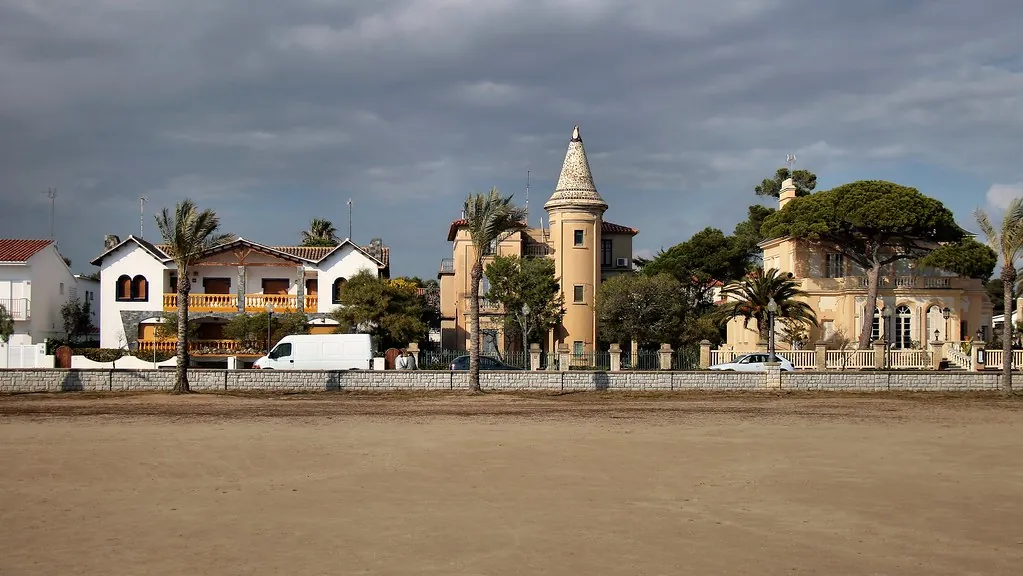
L’Arboç moves to the tempo of the harvest. You notice it in the dusty 4x4s parked outside the bar at 7 a.m., in the worn boots by doorsteps. This isn’t a museum village. The modernist mansions along Carrer Major—one with a facade like stone lace—speak of old money from wine and industry, but the present day is agricultural. People are polite but reserved; life isn’t staged for visitors here.
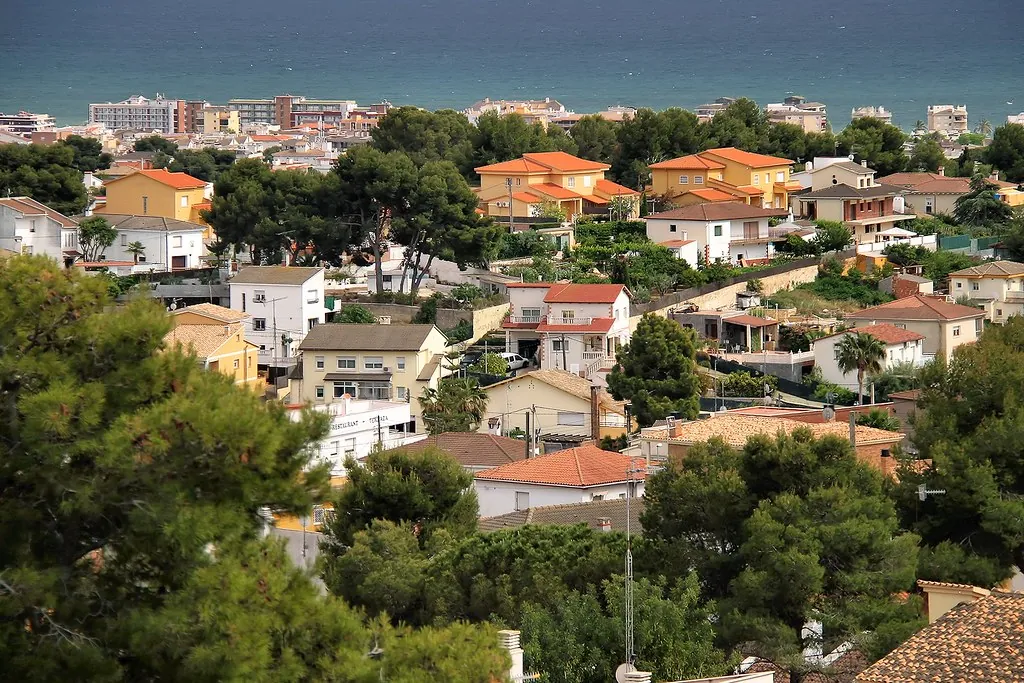
The layout is simple: a few main streets climbing gently uphill, with narrower lanes branching off. The stone of the older houses is cool to the touch even as the day warms up.
The Tower and Its Shadow
The so-called Giralda de l’Arboç was built over a century ago, part of a modernist estate for a wealthy local family. You can’t go inside, but you don’t need to. The surprise is in its mere existence. Walk around its base in the quiet garden; the shade under its arches is deep and sudden. From certain angles, with just the tower and a cypress tree in frame, you could almost believe you’re in Andalucía. Then a delivery van passes, and you’re back in Catalonia.
A five-minute walk away stands the church of Sant Julià, solid, Romanesque, and unadorned. The two buildings—the fanciful tower and the sober church—don’t converse so much as ignore each other across the centuries, which feels about right for Spain.
On Wine and Waiting
This is cava country. The real experience isn’t in a glossy visitor centre, but in calling ahead. Many local producers are families who will show you around if you arrange it. The tasting is often done standing in a cool cellar, the wine poured from unlabeled bottles. They talk about acidity and terroir, but also about that year’s late frost.
You eat simply here. Menus are heavy on what’s nearby: grilled vegetables, rabbit stew, pa amb tomàquet. The quality is in the ingredients, not the presentation. For coffee or an evening vermouth, sit at any bar on the main street and listen. The chatter is about rainfall, yields, and local politics.
A Practical Note on Light and Timing
You need a car. The train station is a long walk from the village centre under a relentless sun.
Come in September or October if you can. The vines are heavy with fruit, and there’s a palpable energy in the air before the harvest. Spring has its appeal too, with wildflowers at the edges of the fields. Midday in summer can be heavy and still; plan to be indoors or under trees between one and four.
An afternoon is enough for L’Arboç itself. It makes sense to pair it with other stops in the Penedès—perhaps a booked visit to a cava cellar further north, or a walk through the medieval quarter of Vilafranca del Penedès.
Leave before dusk. Driving back towards the coast as the sun sets behind you, the tower in your rearview mirror shrinks back into the landscape, again just a silhouette against the darkening vines. For a moment, it almost made sense.