Full Article
about La Bisbal del Penedès
Municipality with a strong casteller tradition and a rural landscape of vineyards and almond trees.
Ocultar artículo Leer artículo completo
The church bell strikes noon, and the only sound afterwards is the scrape of metal chairs on terracotta tiles. Three elderly men in flat caps push their tables together outside Bar la Riba, while the barman brings out plates of xató—an almond-based salad that tastes of winter smoke and summer sun. This is La Bisbal del Penedès at its busiest.
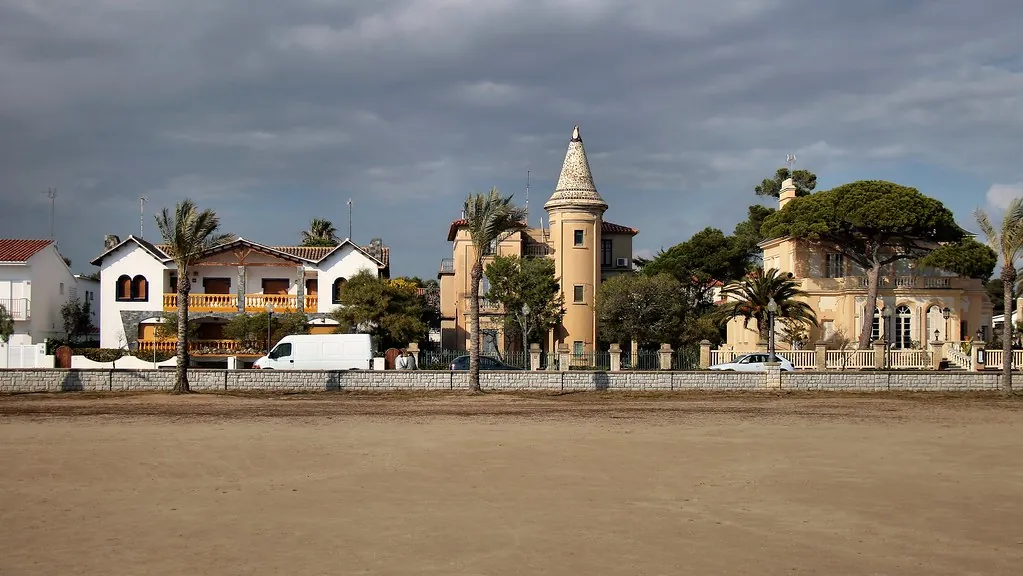
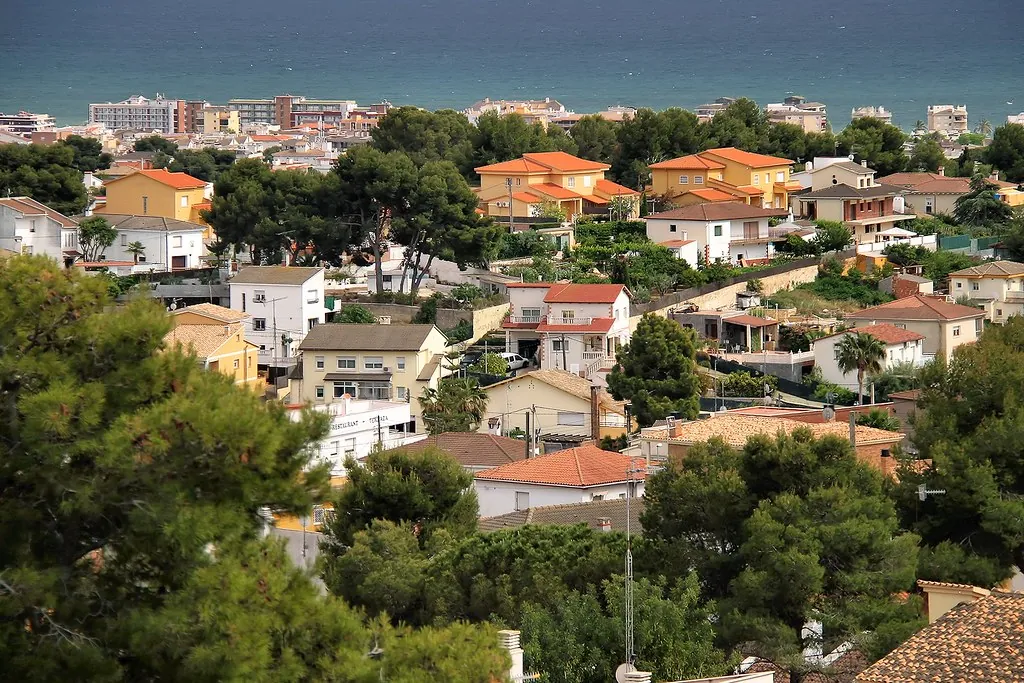
At 189 metres above sea level, the village sits on a low ridge between the Mediterranean and the inland ranges that shelter Tarragona. The coast is eighteen kilometres away—close enough for afternoon sea breezes to temper the August heat, far enough that tour buses bound for the Costa Daurada barrel straight past the turn-off. What they miss is a grid of stone houses built around a fifteenth-century church, surrounded by 3,800 hectares of vineyards that turn from electric green to parchment gold with each season.
Tracks, not motorways
There is no train station. The nearest one is El Vendrell, a ten-minute taxi ride that costs about €12 if you remember to book ahead. From Barcelona airport the drive is simpler: south on the AP-7, exit 30, then a hop along the C-51 and the T-212. The last stretch is single-track; drivers instinctively slow for tractors hauling crates of Macabeo grapes. British cyclists already know the route—Strava files show them coasting inland from Sant Jaume dels Domenys, stopping to refill bottles under the plane trees in Plaça de l'Església.
Once you arrive, parking is free and usually empty except on Saturday market morning, when the square fills with three stalls: local honey, knitted baby clothes, and a couple who sell nothing but grey ceramic cassoles for making romesco sauce. The market packs up at 1 pm sharp; by two the square is returned to the pigeons and the card players.
Wine without the theme park
La Bisbal has no glossy “wine route” centre, no gift shop shaped like a giant cork. Instead there are family cellars—Celler Mas de la Torre, Vins de Taller, Clos Lentiscus—where visits happen if you ring first. A standard tasting runs €15–20 and usually includes three whites (expect zippy Parellada) and two reds dominated by Tempranillo, called Ull de Llebre here. Tours are short on multimedia but long on conversation; the winemaker is likely to be the same person who pulled the bottles from the rack. English is spoken hesitantly, so arrive with a few Catalan basics—bon dia, merci, salut—and you’ll be greeted like a long-lost cousin.
Harvest starts in mid-September. If you time it right you can follow tractors loaded with grapes to the cooperative on Carrer de la Pau, where the weighbridge clanks non-stop and the air smells like bubbling apple juice. There is no charge for standing at the gate with a camera, but ask before stepping onto the concrete—this is work, not theatre.
Stone walls and almond blossom
A five-minute walk from the centre, the streets give way to dirt tracks scratched between low stone walls. These are the vineyard footpaths that knit La Bisbal to the next village, Santa Oliva. The loop is 7 km, almost flat, and shadeless; in July you’ll need two litres of water and a hat. Come March, the same route is edged with almond blossom so pale it reflects daylight onto the undergrowth. Midway you’ll pass a stone hut, or barraca, built without mortar in the eighteenth century. The door is shoulder-high, the interior cool enough to store pruning shears. Instagram has not found these huts yet; GPS will, but only just.
Serious walkers can stitch together the GR-92 long-distance trail, which skirts the village before climbing towards the Coll de la Batalla. The ascent is 350 m of zig-zag limestone—knees permitting—rewarded by views that stretch from the Ebro delta to the pyramids of chemical works outside Tarragona. It is a reminder that this corner of rural Catalonia still rubs shoulders with industry.
What to eat when there are no menus in English
The village supports four restaurants, though only two open on a quiet Monday in March. Ull de Llebre occupies a former stable opposite the church; its six-course maridatge tasting menu costs €38 with wines, and staff will swap the traditional blood-sausage course for roasted aubergine if you ask politely. Bread comes from Forn de Pa on Carrer Major, where almond-panellet biscuits are sold warm at 5 pm. Buy an extra bag—they survive the flight home better than duty-free Cava.
For everyday eating, Bar la Riba does a three-course menú del dia for €14. Expect grilled sardines in winter, broad-bean stew in April, and tomatoes the colour of postboxes all year. Tables are shared; if someone passes the olive oil, pass it back. Sunday lunch is the sociable highlight, but only one kitchen stays open, so arrive before 2 pm or risk a queue of after-church families.
Where to sleep (or why you might not)
Accommodation within the municipal boundary amounts to a single B&B, Naturparadais, a farmhouse conversion with four rooms and a small pool. Reviews on British forums swing between “lovely vineyard views” and “thin walls, cockerel at dawn.” Most visitors base themselves in nearby Vilafranca del Penedès, twenty minutes by car, where the Hotel Casa Jaume occupies a Modernista townhouse and still charges under £100 a night outside festival weekends. The drive back after dinner is straight, empty, and watched over by more stars than you remember existed.
When to come, when to stay away
April and May bring comfortable 22 °C afternoons and green waves of new vine leaves—ideal for cycling or simply sitting outside without sunscreen. September offers the drama of harvest and the local fiesta major, when giants dance in the square and the village band rehearses until 1 am. Light sleepers should note that festivities include cohetes—firecrackers that explode at 6 am sharp. August is hot, often 34 °C by late morning; the square empties as residents retreat behind thick stone walls. Some restaurants close for the month, and the vineyard paths feel like saunas. Winter is quiet, occasionally frosty, but the light turns crystalline and restaurants keep their hearths lit.
The bottom line
La Bisbal del Penedès will never compete with the postcard villages of Empordà or the beach bars of Sitges. It lacks souvenir shops, boutique hotels, even a cash machine that accepts foreign cards—bring euros before you arrive. What it offers instead is the unedited soundtrack of rural Catalonia: tractors at dawn, gossip echoing off stone, and the soft pop of a cork pulled in a cellar that has been making wine since the Romans arrived. If that sounds like enough for a day, or two, plot it into the sat-nav before the coaches do.