Full Article
about Santa Oliva
Municipality with an untouched castle and a monastery that still feels medieval, near El Vendrell.
Ocultar artículo Leer artículo completo
The Friday morning market in El Vendrell sets the rhythm for Santa Oliva's week. At 9:30 sharp, the village's elderly residents board the red bus that winds through vineyards, returning two hours later with cloth bags heavy with sea bream and tomatoes still warm from the coastal fields. This is how Santa Oliva works: practical, agricultural, and resolutely unbothered by the Costa Daurada's tourism machine just fifteen minutes away.
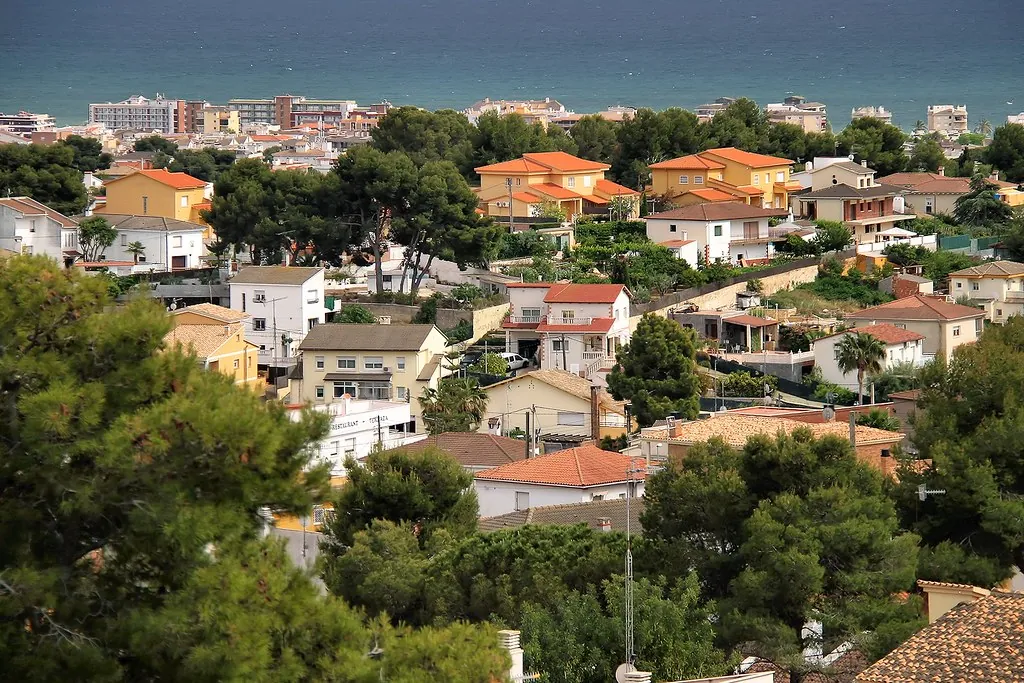
Perched at 100 metres above sea level, Santa Oliva sits in that sweet spot where the Mediterranean's influence meets Catalonia's wine country. The 3,600 residents have watched Barcelona's weekenders snap up coastal apartments, but their village remains what it always was: a farming community where the harvest calendar matters more than school holidays. The church bells still mark the day, and the Plaza Mayor empties at 2 pm for siesta with the reliability of a Swiss timepiece.
Between Vine and Sea
The village's relationship with the land defines everything here. Rows of Parellada and Macabeo grapes stretch from the last houses towards the horizon, their orderly lines broken only by the occasional stone masía. These aren't the manicured estates of Rioja – they're working vineyards where tractors kick up dust that settles on the roadside fig trees. The wine they produce carries the Penedès denomination, though you'd never know it from Santa Oliva itself. There's no tourist office pushing cellar tours; instead, you'll need to ask at Bar Central, where Juan might phone his cousin who'll open up the family bodega for a tasting that costs whatever you decide to leave.
The Mediterranean makes its presence felt in subtler ways than beach towels and ice cream. Morning fog rolls inland during autumn, wrapping the vines in moisture that winemakers call "the blanket." On clear days, you can taste salt on the breeze. The village's food reflects this marriage of land and sea – calçots arrive from inland fields while the day's catch comes from El Vendrell's port, creating menus that don't bother distinguishing between "surf" and "turf."
What Passes for Attractions
Santa Oliva won't overwhelm with monuments. The parish church of Santa María has been rebuilt so many times that architectural purists might weep, but its mishmash of styles tells the village story better than any guidebook. The 18th-century façade gives way to interior walls that show medieval stonework, while the bell tower wears a 1950s concrete cap like an afterthought. Step inside during evening mass and you'll see why locals fought to keep it: elderly women in black shuffle between pews, and the priest's Catalan echoes off walls that have heard centuries of village gossip.
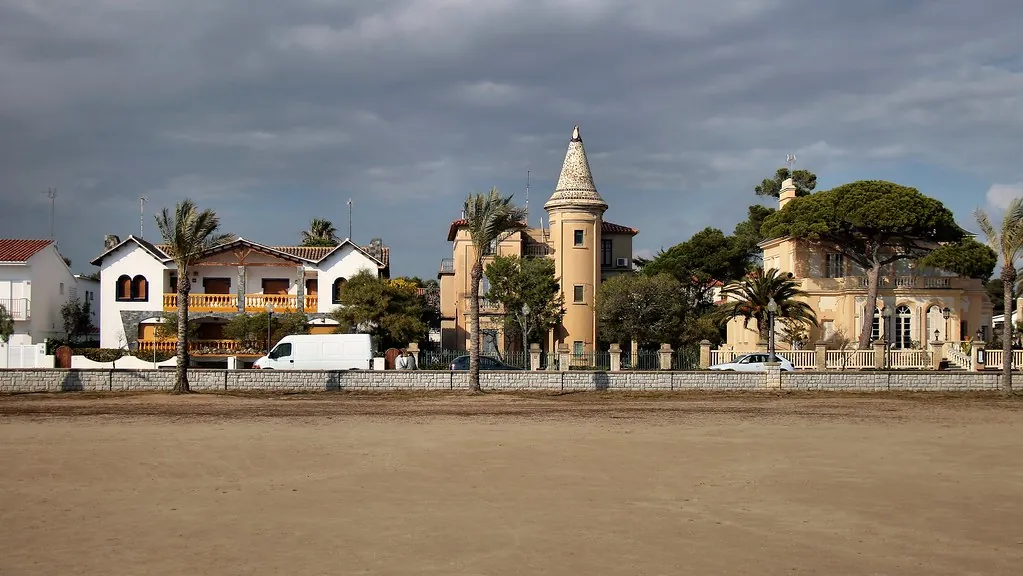
The castle presents a different challenge. Privately owned and closed to visitors, its honey-coloured stone rises abruptly from a tangle of modern houses. Photographers should arrive before 8 am, when parked cars haven't yet obscured the view. The structure itself isn't spectacular – Britain has grander manor houses – but its very ordinariness captures something essential about Spanish villages. This isn't a museum piece; it's a family home whose owners happen to live in a medieval fortress.
The Rhythm of Real Life
Understanding Santa Oliva means surrendering to its timetable. Shops open at 10, close at 2, reopen at 5, and shut for good at 8. Sunday is dead quiet – genuinely dead, not "quiet with a craft fair." The single restaurant, Ca L'Andreu, doesn't take bookings because everyone knows everyone anyway. Order the €12 menu del día and you'll get three courses that would embarrass most British pubs charging twice as much. The wine comes from vines you drove past, and the bread arrived that morning from El Vendrell's last traditional bakery.
Summer brings complications that tourism brochures gloss over. Temperatures hit 38°C by noon, and the village offers little shade beyond the plane trees in Plaza Mayor. The afternoon wind, called the garbí, provides temporary relief but coats everything in vineyard dust. Smart visitors plan accordingly: market at 9, lunch at 2, siesta until 5, then the golden hour walks through vineyards that glow like copper wire in the lowering sun.
Practical Realities
Getting here requires planning that would make a logistics manager weep. Reus airport, 35 minutes away, offers limited flights outside summer. Barcelona's better connected but means navigating the AP-7 toll road, where €12 each way adds up fast. Public transport exists in theory – there's a bus from El Vendrell that runs thrice daily, except Sundays when it doesn't run at all. Hire cars aren't optional; they're essential.
Accommodation presents another challenge. Santa Oliva itself offers two rental houses, both converted farm buildings with pools and English-speaking owners who'll email detailed instructions about key boxes and local restaurants. The alternative means staying coastal – Coma-ruga's beach apartments sit fifteen minutes away but transform from sleepy to heaving between June and August. Book inland and you'll trade sea views for silence so complete you can hear grapes growing.
The Honest Truth
Santa Oliva won't change your life. You won't post pictures that make Instagram explode, and there's no souvenir shop selling fridge magnets. What you get instead is Catalonia unplugged – a place where the bakery still weighs bread on ancient scales, where old men play dominoes at 11 am with the seriousness of chess masters, where dinner conversations revolve around rainfall and grape prices rather than property values.
Come in spring when almond blossoms frost the fields white, or autumn when harvest trucks clog the narrow streets with their sweet cargo. Avoid August unless you enjoy ghost towns – the village empties as locals flee to coastal cousins. Bring walking shoes for vineyard paths that stretch flat and forgiving, perfect for working off lengthy lunches. Most importantly, bring patience for a place that refuses to hurry for anyone, tourists included.
The British tendency to "do" destinations dies hard here. Santa Oliva rewards those who simply "be" – sitting in Plaza Mayor as shadows lengthen, watching village life unfold at its own pace. It's not hidden, undiscovered, or waiting for you. It's just getting on with being itself, which might be the most refreshing thing of all.