Central EEC Sant Adrià.jpg
Unknown authorUnknown author · Public domain
Cataluña · Sea, Mountains & Culture

Sant Adrià de Besòs

The first thing that strikes you about Sant Adrià de Besòs is the soundscape. Not the gentle lapping of Mediterranean waves, but the industrial hum...

39,323 inhabitants · INE 2025
14m Altitude
Coast Mediterráneo

Why Visit

Coast & beaches Three Chimneys Riverside walks

Best Time to Visit

summer

Town Festival (September) septiembre

Things to See & Do
in Sant Adrià de Besòs

Heritage

  • Three Chimneys
  • Besòs River Park

Activities

  • Riverside walks
  • Beach

Festivals
& & Traditions

Fecha septiembre

Fiesta Mayor (septiembre)

Las fiestas locales son el momento perfecto para vivir la autenticidad de Sant Adrià de Besòs.

Full Article
about Sant Adrià de Besòs

Coastal municipality at the mouth of the Besòs with the iconic three chimneys

Ocultar artículo Leer artículo completo

The first thing that strikes you about Sant Adrià de Besòs is the soundscape. Not the gentle lapping of Mediterranean waves, but the industrial hum of the B-10 ring road overhead, punctuated by the occasional siren echoing from the neighbouring estates. This is no Costa del Sol fantasy—it's something far more interesting.

Fourteen kilometres northeast of Barcelona's tourist-thronged centre, Sant Adrià sits at precisely fourteen metres above sea level, a geographical fact that becomes oddly significant when you're trudging back from the beach in thirty-degree heat. The town's relationship with the sea has always been complicated. Where holiday brochures promise pristine sands, Sant Adrià delivers something else entirely: a shoreline that bears the scars and triumphs of heavy industry, now partially reclaimed but never quite sanitised.

The River's Return

The Besòs River, once so polluted that locals joked it could strip paint, now forms a surprising green corridor through the urban sprawl. The Parc del Besòs stretches for several kilometres, its wetlands attracting herons and egrets that would have given the area a wide berth twenty years ago. Morning joggers pound the flat paths, their route taking them past reeds that sway incongruously against a backdrop of concrete apartment blocks.

This regeneration isn't cosmetic—it's functional. The park manages floodwaters, provides shade, and offers something increasingly rare in the Barcelona metropolitan area: space to breathe without paying for the privilege. A leisurely circuit from the river mouth inland and back takes about ninety minutes, assuming you succumb to the temptation of stopping at one of the numerous benches to watch the light change over the water.

The transformation remains incomplete, deliberately so. Sections of the old industrial waterfront still stand, their rusted skeletons creating a post-industrial sculpture garden that hipsters would pay fortunes to Instagram if only they knew it existed. Instead, elderly residents walk dogs past these monuments to Sant Adrià's manufacturing past, barely glancing at structures that once employed their neighbours.

Beach Reality Check

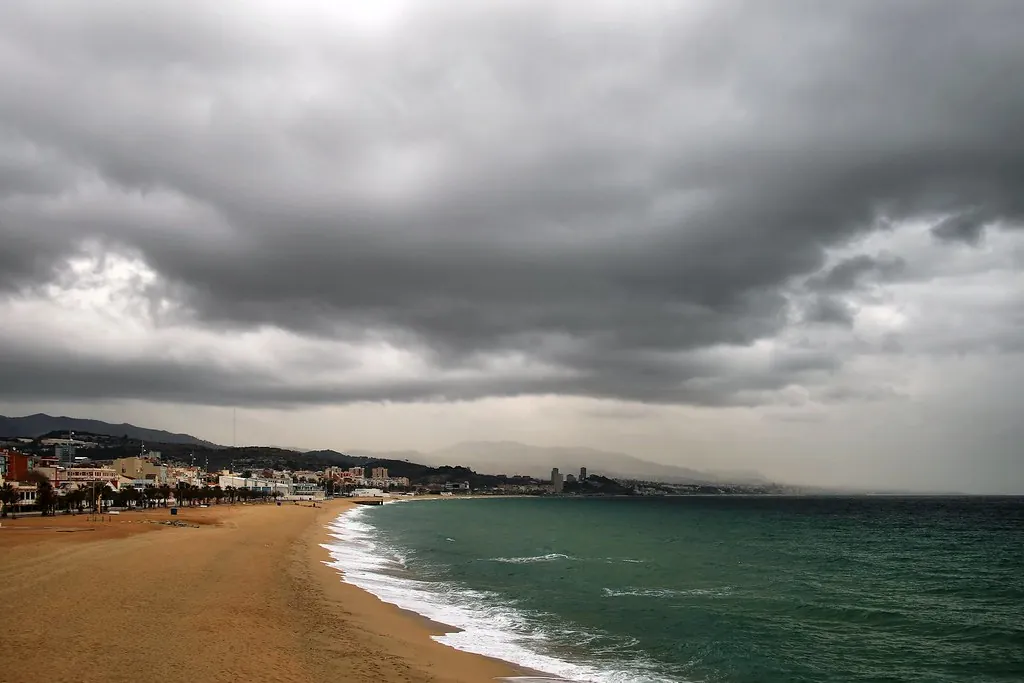
Platja dels Pescadors and Platja del Litoral won't feature on any Mediterranean dream boards. The sand is coarser than Barcelona's main beaches, peppered with shells and the occasional piece of driftwood that speaks of the river's journey from the Pyrenees. What they offer instead is space—elbow room that's impossible to find at Barceloneta during summer weekends.

The water quality has improved dramatically since the factories closed, though after heavy rains the river still deposits urban detritus. Local swimmers know to check the daily water-quality reports posted online. When conditions are good, the swimming is excellent—no tourist touts, no overpriced sunbeds, just the Mediterranean doing what it's done for millennia.

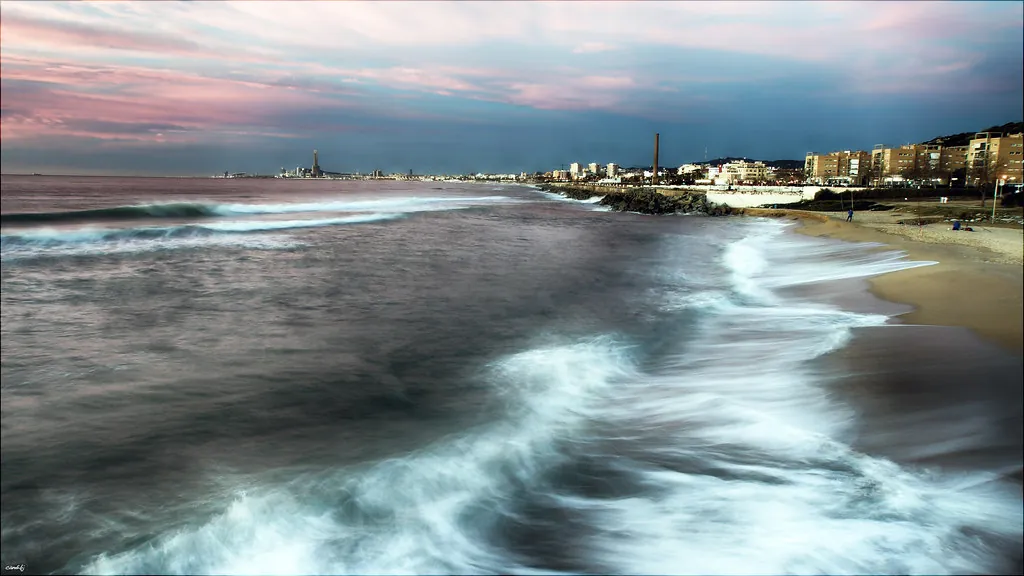
The maritime promenade extends for several kilometres, popular with cyclists who've discovered it's possible to ride from Barcelona's Port Olímpic to Badalona without touching a main road. The gradient is gentle enough for families, though the wind can be fierce in winter when the tramuntana blows down from the mountains.

Urban Fabric, Unfiltered

Sant Adrià's old centre, clustered around the medieval church of Sant Adrià, reveals fragments of its agricultural past. Narrow streets suddenly open onto tiny plazas where grandmothers still hang washing from wrought-iron balconies. These pockets of village life persist despite the tower blocks pressing in from every side.

The church itself has been rebuilt so many times that historians argue over what constitutes "original." Inside, the air carries that particular European church scent of beeswax and centuries of candle smoke. Weekday mornings, elderly women shuffle in for mass, their voices rising in Catalan hymns that momentarily drown out the traffic.

Food here follows metropolitan patterns rather than tourist expectations. The municipal market on Plaça de la Vila operates Tuesday through Saturday, its stalls displaying the same produce found in Barcelona's markets at slightly lower prices. Fish arrives fresh from neighbouring ports—look for peix de roca (rock fish) if you're self-catering and fancy attempting a proper Catalan suquet de peix.

Restaurant options reflect the town's working-class roots and recent immigrant influences. Traditional mar i muntanya (sea and mountain) dishes appear alongside Ecuadorian ceviche and Romanian sarmale. None of it is refined, but it's honest food at prices that make central Barcelona seem extortionate.

Practicalities Without Sugar-Coating

Getting here requires commitment. The metro journey from Plaça Catalunya takes twenty-five minutes on Line 2—longer if you hit the rush-hour crowds that make British commuter trains feel spacious. The walk from Sant Adrià station to the beach takes fifteen minutes through residential streets where English is rarely heard.

Accommodation serves the budget-conscious. Hotels cluster near the metro, their rates roughly half what you'd pay for equivalent rooms in Barcelona. Soundproofing varies dramatically—light sleepers should request rooms facing away from the railway line. The area immediately around the station feels edgy after dark; taxis from Barcelona cost €20-25 and most visitors consider them worth every cent.

Free parking exists beneath the B-10 flyover, popular with British visitors hiring cars for day trips north towards the Costa Brava. Just don't leave anything visible—the same economic pressures that keep hotel prices low also create opportunistic theft.

The Honest Verdict

Sant Adrià de Besòs won't suit everyone. It lacks the picture-postcard perfection many seek from Spanish coastal towns. The beaches require a fifteen-minute walk from public transport, the nightlife is virtually non-existent, and you'll need serviceable Spanish or Catalan to navigate everyday interactions.

Yet for travellers interested in contemporary Catalonia beyond the tourist veneer, it offers something increasingly rare: authenticity without artifice. Here, Spanish families picnic beside Filipino nurses on their day off, while elderly men play petanca under the palm trees and Moroccan teenagers practice kick-flips on repurposed industrial plazas.

Come for the budget beds and easy Barcelona access, stay for the unfiltered glimpse of Mediterranean urban life. Just don't expect to fall in love—Sant Adrià doesn't court affection. Instead, like the river that shaped it, the town simply flows on, carrying its complex history forward whether visitors appreciate it or not.

Key Facts

Region
Cataluña
District
Barcelonès
Coast
Yes
Mountain
No
Season
summer

Official Data

Institutional records and open data (when available).

  • Bust d'homenatge al President Macià
    bic Element urbà ~0.5 km
  • Escultura en Homenatge al President Companys
    bic Element urbà ~0.6 km
  • Arc Gòtic de Sant Adrià
    bic Element urbà ~0.6 km
  • Creu de Terme de Sant Adrià
    bic Element arquitectònic ~1.2 km
  • Creu de Terme de Sant Adrià de Besòs
    bic Element arquitectònic ~1.1 km
  • Xemeneia de l'antiga fàbrica C.E.L.O.
    bic Element arquitectònic ~0.8 km
Ver más (19)
  • Ateneu Adrianenc
    bic Edifici
  • Casal de la Dona (Antic Ajuntament)
    bic Edifici
  • Refugi antiaeri de la Guerra Civil
    bic Obra civil
  • Església de Sant Adrià
    bic Edifici
  • Església de Sant Joan Baptista
    bic Edifici
  • Can Serra
    bic Edifici
  • Can Rigalt
    bic Edifici
  • El Polidor
    bic Edifici
  • Centre Cívic La Mina
    bic Edifici
  • Rail del tramvia de foc
    bic Obra civil

Planning Your Visit?

Discover more villages in the Barcelonès.

View full region →

More villages in Barcelonès

Traveler Reviews