Full Article
about Montclar
Small hilltop village with sweeping views over Berguedà
Ocultar artículo Leer artículo completo
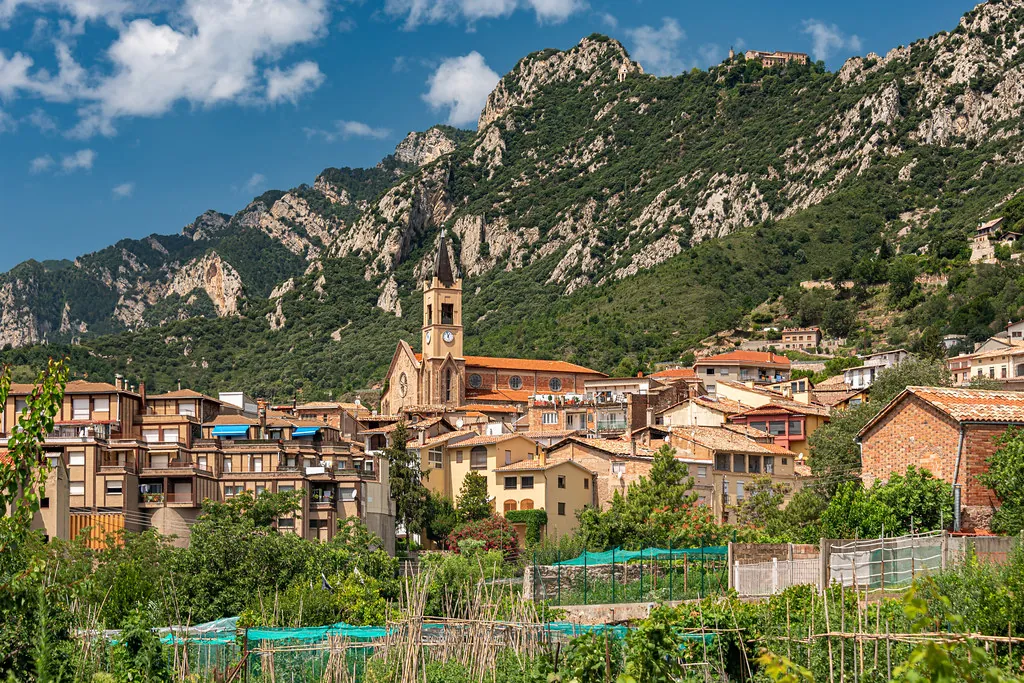
The church bell strikes noon, yet nobody appears. The stone houses of Montclar remain shuttered against the April wind that sweeps across the Berguedà hills. At 728 metres above sea level, this cluster of hamlets operates on mountain time—slow, deliberate, and largely indifferent to the calendar demands of modern tourism.
Wedged between Barcelona's coastal bustle and the Pyrenean ski stations, Montclar represents something increasingly rare: a Catalan farming community that hasn't pivoted to weekend cottages or boutique hotels. The municipality spreads across 35 square kilometres of rolling terrain, encompassing the main village and scattered masías (farmsteads) where stone walls date back four centuries and broadband arrived barely a decade ago.
Stone Walls and Silence
The altitude matters here. Morning temperatures run five degrees cooler than Barcelona, 90 kilometres southeast, and afternoon storms build quickly over the Pre-Pyrenean ridges. Visitors arriving in July expecting Mediterranean warmth often find themselves purchasing jumpers from the Saturday market in Berga, 20 minutes' drive north. Winter brings proper mountain weather—snow isn't guaranteed but when it arrives, the access road from the C-16 can close for days.
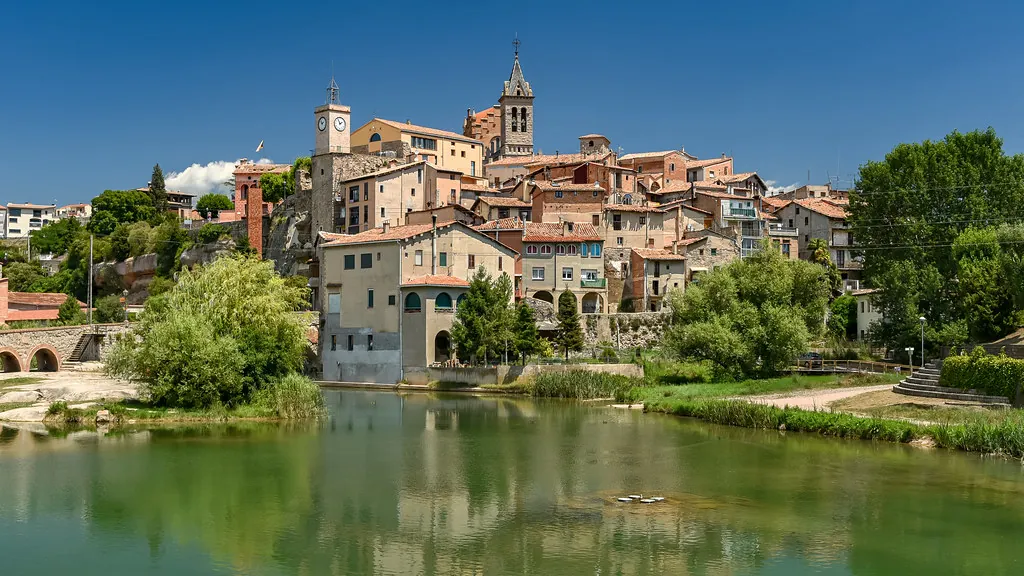
Montclar's architecture reflects these conditions. Thick stone walls, small windows, and terracotta tiles speak of centuries spent buffering against mountain weather. The Romanesque church of Sant Martí squats solidly at the village centre, its 12th-century foundations modified pragmatically over generations rather than restored to tourist-friendly perfection. Inside, the temperature drops immediately—farmers once stored grain in the vestry specifically because it stayed cool through August.
Walking the narrow lanes takes twenty minutes if you're brisk, forty if you pause to read the ceramic street signs or examine the medieval grain stores built into house walls. The village museum exists only in fragments: a 17th-century olive press here, a bread oven there, each attached to private homes and visible only when owners open their courtyard gates. Photography requires discretion—these aren't heritage props but working elements of active farms.
Paths Through Working Countryside
The real museum lies outside the village core. A network of camins veïnals (rural tracks) connects Montclar to neighbouring hamlets across a landscape that remains fundamentally agricultural. Wheat fields alternate with oak forest, and the drystone walls separating properties run for kilometres without interruption. These paths aren't curated walking routes—they're working infrastructure used daily by farmers checking livestock or transporting hay.
Spring brings the most dramatic transformation. April rains turn the hillsides emerald green, and wild asparagus appears along track edges. Local farmers still practise transhumance—driving cattle to higher pastures in May, returning in October—and encountering a herd of brown Swiss cows blocking your path isn't a photo opportunity but a practical delay. The cattle know their route; walkers wait.
Birdlife rewards patience. Short-toed eagles circle overhead, particularly where fields meet forest edge, while rock buntings inhabit the scrubby slopes. The altitude creates interesting overlaps—Mediterranean species like hoopoes share territory with Pyrenean specialists such as citril finches. Bring binoculars but leave the playback apps at home; local shepherds tolerate quiet observation but object to electronic bird calls disturbing their animals.
What to Eat and Where
Montclar contains no restaurants, one bakery (open Thursday mornings only), and a small shop that stocks basics plus excellent local cheese. The nearest proper meal sits five kilometres away at Can Mestres in Casserres, where Maria serves mountain cuisine that changes with agricultural cycles. Spring means calçots (grilled spring onions) and wild mushroom omelettes; autumn brings game stews and chestnut desserts. A three-course lunch costs €16, wine included, but arrive before 2 pm—kitchens close when locals finish eating.
Self-catering works better for extended stays. The Saturday market in Berga offers Pyrenean honey, mountain potatoes with DOP status, and cured meats from small-scale producers who've worked the same recipes for generations. The town's cooperative supermarket stocks local wine at €4 a bottle that's perfectly drinkable though unlikely to win international awards.
Accommodation options remain limited. Three rural houses operate within the municipality, each converted from working farms and sleeping six to eight people. Expect stone floors, wood-burning stoves, and Wi-Fi that functions sporadically. Prices run €120-150 nightly for entire houses, dropping to €80 outside July-August. Booking requires Spanish—owners are friendly but don't operate through international platforms.
When Mountain Weather Dictates Plans
Timing visits matters enormously. April-May offers wildflowers and comfortable walking temperatures, though afternoon showers arrive suddenly. June-September provides reliable weather but brings fierce sun at this altitude—carry water and start walks early. October delivers spectacular colour as chestnut forests turn bronze, plus mushroom foraging opportunities if you know local landowners.
Winter divides into two distinct periods. November-February often brings clear, cold days with spectacular visibility—Barcelona's skyline visible 80 kilometres distant. Snow arrives sporadically, transforming the landscape but potentially isolating the village. February-March sees the Cerdanya ski stations (45 minutes' drive) at their best, making Montclar an affordable base for skiing day trips without resort accommodation prices.
Access requires planning. Public transport reaches Berga via regular buses from Barcelona (2 hours, €12), but Montclar sits 20 minutes beyond by infrequent local service—or expensive taxi. Hiring a car proves essential for exploring properly, though the final approach involves narrow mountain roads that intimidate some drivers. Winter visitors should carry snow chains; they're legally required and occasionally necessary.
The village's fiesta major occurs mid-August, transforming quiet streets into a celebration that draws former residents from across Catalonia. Expect traditional dancing, communal paella for 200 people, and fireworks that echo dramatically between stone walls. Accommodation books solidly—visitors without reservations sleep in Berga or not at all.
Montclar offers neither dramatic monuments nor adrenaline activities. Instead, it provides something increasingly precious: authentic rural Catalan life continuing largely unchanged despite Europe's tourism boom. The experience demands patience, basic Spanish, and acceptance that mountain villages operate on their own rhythms. Those who arrive expecting entertainment leave disappointed. Visitors willing to adjust to local timetables—walk in morning coolness, rest through afternoon heat, socialise after evening chores—discover a Catalonia that guidebooks rarely mention.
Leave before 10 am on departure day. The bakery opens early, and securing still-warm coca (Catalan flatbread) for the journey down the mountain provides a final taste of altitude-affected cuisine. The road descends quickly—Barcelona's heat hits like opening an oven door, and within an hour Montclar's stone walls feel like a half-remembered dream.