Full Article
about Sant Julià de Cerdanyola
Mountain village that keeps the ancestral tradition of the Fia-faia.
Hide article Read full article
Sant Julià de Cerdanyola, en la vertiente norte del Catllaràs
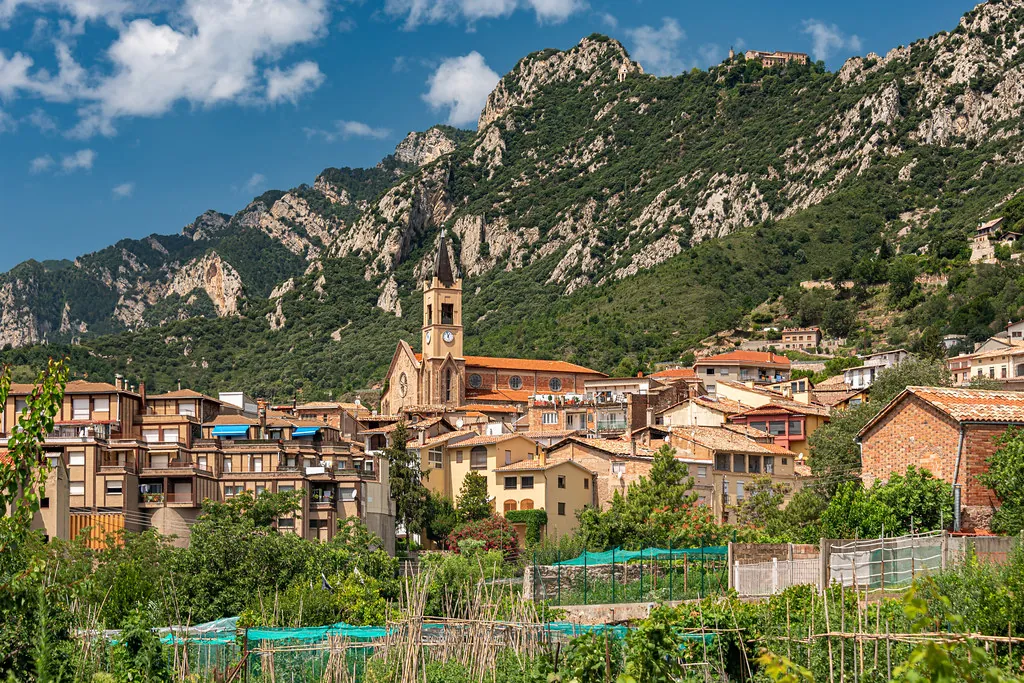
La carretera que sube hasta Sant Julià de Cerdanyola es estrecha y serpentea entre bosques y prados abiertos. Ese trayecto, más que cualquier descripción, define el carácter del lugar: un municipio de poco más de doscientos habitantes, situado a unos 950 metros en la vertiente norte de la sierra del Catllaràs, en el Berguedà. Su posición, apartada de las rutas principales de la comarca, ha marcado siempre su ritmo.
El núcleo del pueblo sigue la lógica de los asentamientos de montaña aquí. Las casas de piedra se agrupan con tejados a dos aguas, preparados para la nieve invernal, formando un conjunto compacto que busca resguardo del viento. Durante siglos, la economía local se basó en la ganadería y una agricultura de altura, una relación con el territorio que aún se lee en los prados que rodean las primeras casas y en los antiguos caminos de herradura que se pierden hacia las masías dispersas.
La iglesia y el trazado del pueblo
En el centro se alza la iglesia parroquial de Sant Julià. Aunque su origen es románico, las reformas posteriores han modificado sustancialmente su aspecto exterior. No es un edificio monumental; su escala es la del pueblo, con muros de sillarejo y una factura sobria.
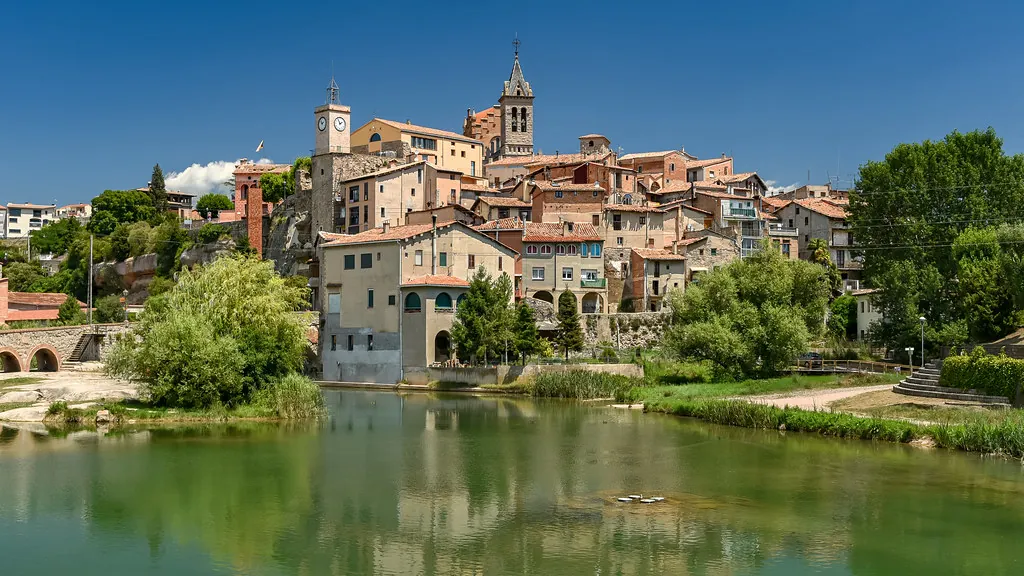
El pequeño entramado urbano se organiza alrededor del templo. Las calles son cortas, algunas con pendiente, flanqueadas por construcciones que mantienen elementos propios de la arquitectura rural berguedana. Se recorre con calma en poco tiempo, pero conviene fijarse en los detalles: aparecen portadas de piedra bien trabajada, balcones de madera sencillos y algún patio interior que se vislumbra desde la calle.
Senderos por el Catllaràs
El principal atractivo de Sant Julià reside en el paisaje que lo circunda. El pueblo se encuentra dentro del ámbito del Catllaràs, una sierra de relieve quebrado cubierta mayoritariamente por pinares y, en las zonas más húmedas, hayedos. Los claros de prado suelen corresponder a antiguas áreas de pasto.
Varios senderos y pistas forestales arrancan en las inmediaciones del pueblo, adentrándose en este terreno. Algunos enlazan con itinerarios más largos que atraviesan la comarca. La señalización no siempre es constante, algo habitual por estas sierras, por lo que es recomendable consultar un mapa o información local antes de salir.
El desnivel es notable en muchos tramos, sobre todo en las subidas hacia los collados. En días claros, desde algunos puntos altos se divisa hacia el norte la silueta inconfundible del Pedraforca.
Bicicleta de montaña y pistas forestales
La red de pistas forestales que cruza el Catllaràs es también muy utilizada para la bicicleta de montaña. Muchas rutas implican ascensiones largas y constantes, con tramos que pueden resultar exigentes para quien no esté acostumbrado al desnivel sostenido.
Existen opciones más suaves. Algunas pistas permiten un pedaleo más tranquilo entre bosques y prados abiertos. Aun así, se trata de terreno de montaña, y conviene valorar bien la distancia y el desnivel acumulado antes de partir.
Setas y aprovechamiento del bosque
Con el otoño aumenta notablemente la presencia de gente en los bosques cercanos, atraída por la recolección de setas. En el Berguedà es una actividad muy arraigada, y Sant Julià participa de ese ritmo estacional. En estos pinares suelen aparecer rovellones y otras especies habituales del sotobosque.
Es importante recordar que la recogida de setas está regulada en varias zonas de la comarca, y que la correcta identificación de las especies es fundamental. Los días buenos, el bosque rara vez está vacío.
Fiestas y vida local
La festa mayor se celebra tradicionalmente en agosto, alrededor de la festividad del patrón, Sant Julià. Durante esos días cambia el pulso del pueblo. Regresan familias con vínculos en la zona y se organiza un programa de actos populares junto a los oficios religiosos.
Para quien visita, este periodo permite apreciar con claridad la escala y el carácter de Sant Julià de Cerdanyola: una comunidad pequeña que, pese al paso del tiempo, mantiene una relación estrecha con su territorio y con los ritmos de la vida rural.