Full Article
about Viver i Serrateix
Rural municipality home to the important monastery of Santa María de Serrateix
Hide article Read full article
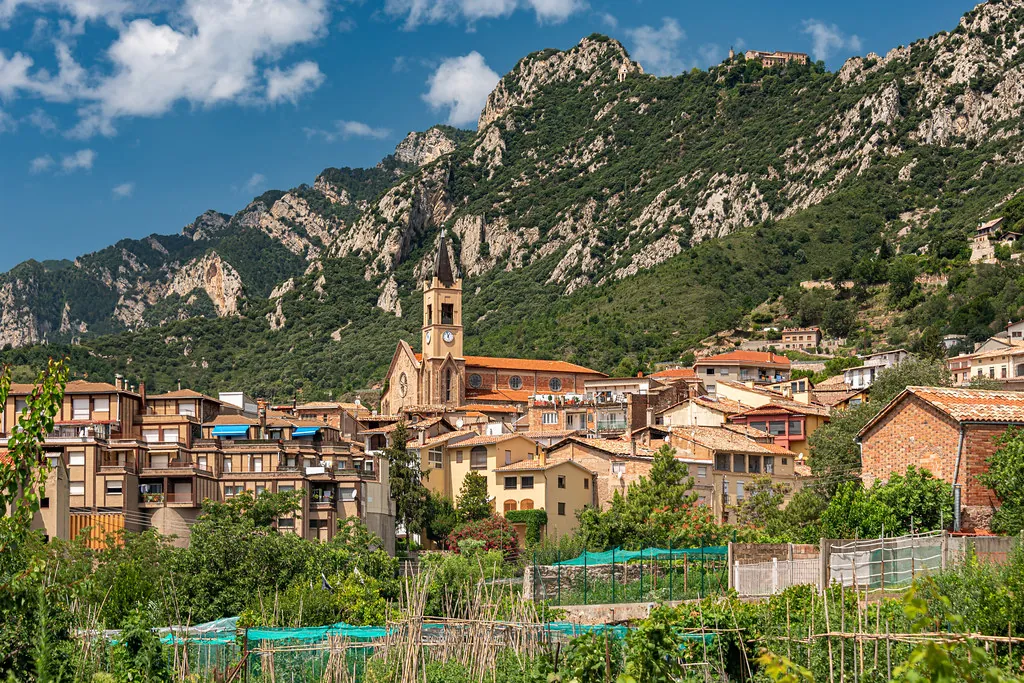
Early in the day, when the sun is still slow to clear the mist clinging to the slopes, tourism in Viver i Serrateix feels quiet and unhurried. From the church of Sant Martí de Viver, the view opens out across a wide landscape: fields divided by dry stone walls, scattered dark roofs, and bands of woodland moving across the hills. At times there is the faint smell of wood smoke from a chimney, especially in the colder months. This is not a place of grand statements. It rewards attention to small details that appear when you stop for a while.
The municipality is made up of several small settlements spread across these hills in the Berguedà region of Catalonia. The population is very small, and that shapes the atmosphere. Sounds carry differently here: a tractor somewhere in the distance, a dog barking at a masía, wind moving through the pines on higher ground. The altitude sits at around 700 metres, enough for summer evenings to cool down and for winter mornings to bring frequent frost.
Churches and farmhouses across open land
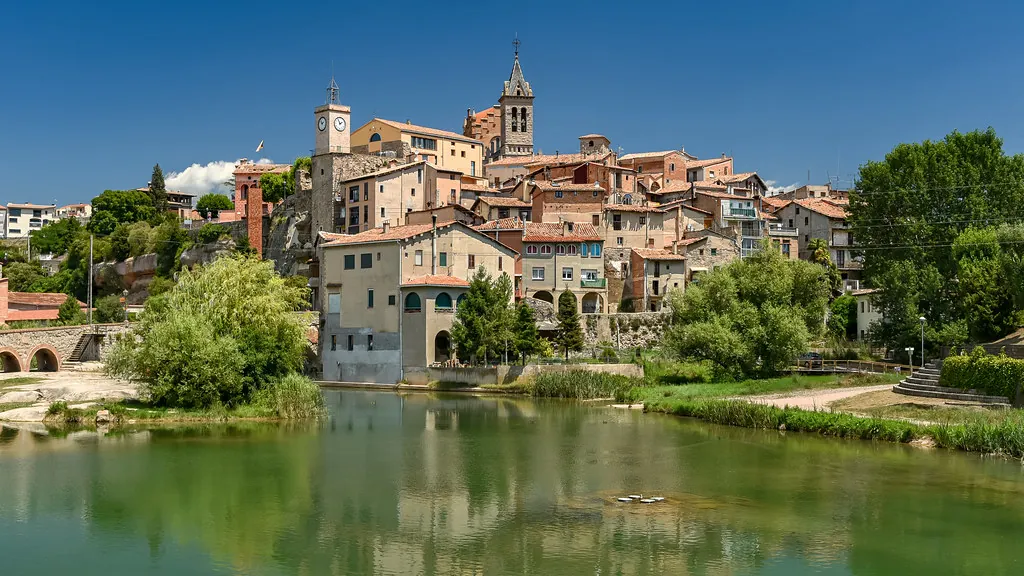
The churches of Sant Martí de Viver and Sant Vicenç de Serrateix reflect a rural Romanesque style found across inland Catalonia. Thick stone walls, minimal decoration and modest bell towers define them. Their scale does not dominate, but their placement matters. They tend to stand on slightly raised ground, quietly overseeing the surrounding fields.
Nearby stands the monastery of Santa Maria de Serrateix, visible from several paths in the area. The complex has a strong presence and for centuries shaped life in this part of Berguedà.
Between one settlement and another, masías appear regularly across the landscape. Some are very old. Many are still tied to farming or livestock, while others have been restored to host visitors spending time in the countryside. These buildings are solid and practical, with thick stone walls and small windows, built to endure long winters rather than to impress.
Walking through pines and oaks
Getting around Viver i Serrateix largely means walking. Paths and dirt tracks link the different settlements, crossing fields, patches of woodland and grazing areas where flocks are often seen.
These are not technical or especially long routes. They are steady, manageable walks with gentle slopes, where the scenery shifts gradually. A pine forest might come first, with a resin scent when the sun is strong. Then an open ridge follows, offering a view towards the Llobregat valley. On clear days, the distant outline of the Cadí mountain range appears to the north.
Autumn is particularly rewarding for walking here. Oaks and other deciduous trees turn towards ochre and yellow tones, while dry leaves gather on the ground and crunch underfoot.
Food shaped by the countryside
The food in this part of Berguedà remains closely tied to local produce. Lamb is common, along with cured meats and dishes centred on wild mushrooms when the season arrives. In autumn, after rainfall, nearby pine forests often attract people searching for rovellons, a prized local mushroom, along with other varieties.
In rural houses and small local establishments, hearty cooking is typical, especially in colder months. Expect oven-roasted meats, potatoes and slow-simmered broths. It is worth checking in advance or booking if planning to eat within the municipality, as options are limited and some places only open on certain days.
Small-scale village festivals
Celebrations follow the traditional calendar of each settlement. Festivities dedicated to Sant Martí or Sant Vicenç usually include religious events and shared meals. In summer, Serrateix tends to gather much of the seasonal activity.
These are not large festivals. They are local gatherings where residents, returning relatives and people from nearby villages come together. If you happen to arrive during one of these occasions, it becomes obvious straight away: more movement in the square, long outdoor tables and music that carries into the night.
When to go and what to expect
Spring and autumn are generally the most pleasant times to explore the area on foot. In spring, the fields turn green after rainfall and the landscape changes quickly from one week to the next. Autumn brings softer colours in the woodland, clearer skies and crisp mornings.
Summer can be dry and hot during the middle of the day, so it makes sense to head out early or later in the afternoon. Winter often brings mist or frost in the mornings, and dirt tracks may be in poorer condition after heavy rain.
Viver i Serrateix is best approached without rushing. Stopping along a secondary track, walking for a while through fields and simply listening to the quiet makes sense here. The landscape does not transform all at once. It unfolds gradually, in its own time.