Full Article
about Borredà
Mountain village with stone architecture and narrow streets, perfect for rural tourism.
Hide article Read full article
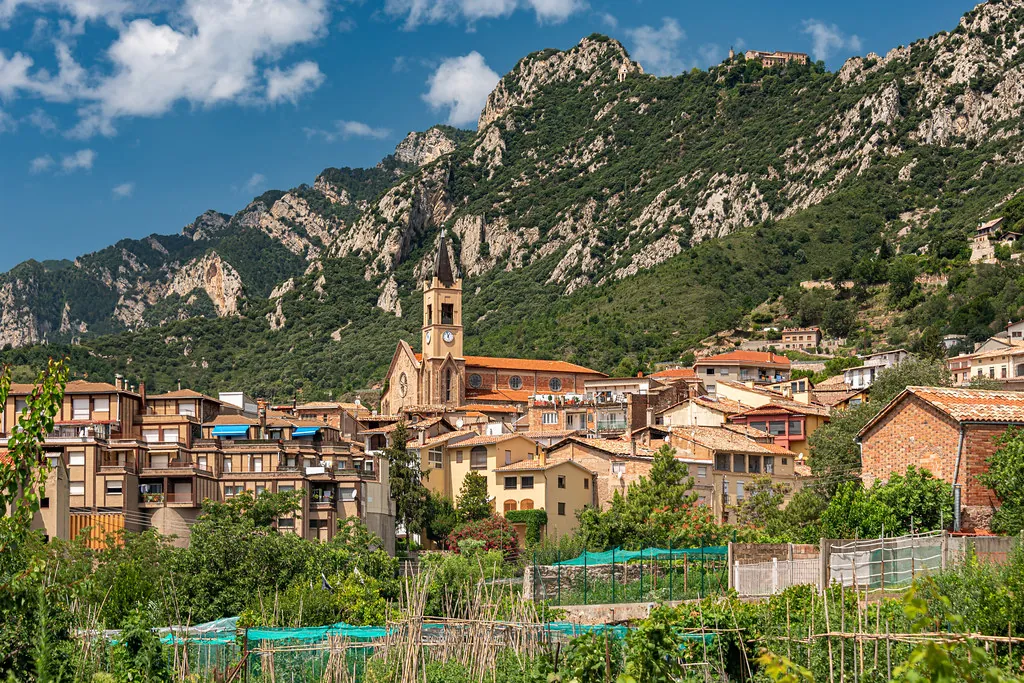
Early in the morning, when the sky is still grey and shutters remain closed, Borredà smells of damp firewood. Cold air drifts down from the forest and settles between the houses. From some windows there is a line of holm oaks and oaks closing off the horizon. The village is still quiet. A door opens here and there, and sometimes the sound of a car starting up in the square.
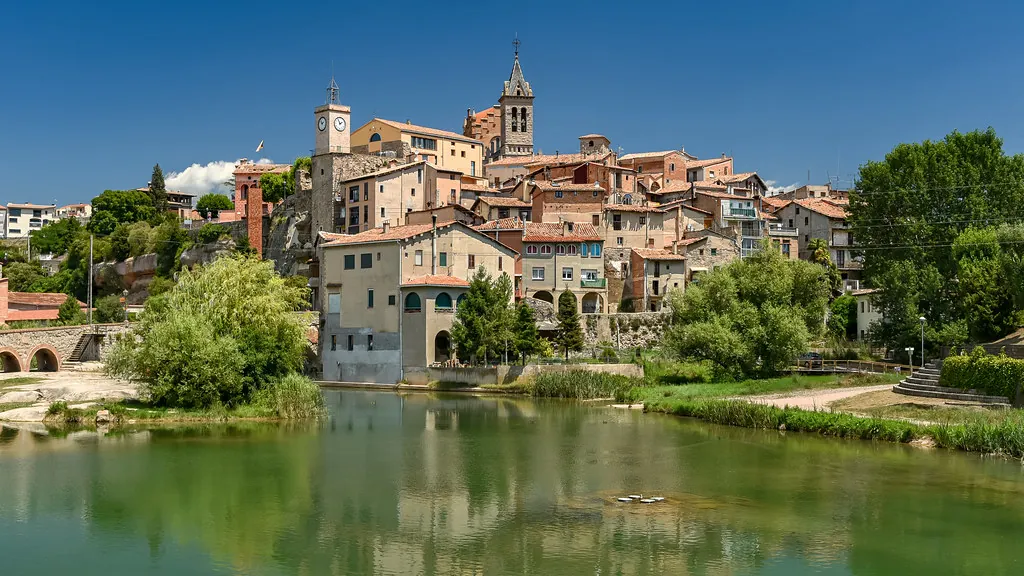
Borredà has around 430 inhabitants and sits in the Berguedà, more than 800 metres above sea level. The centre is small and compact, with short streets, gentle slopes and stone houses that show layers of changes made over the years. This is not a place to rush through. It makes more sense at a slower pace, noticing small details: a window with a worn frame, a wall where the lime no longer fully covers the stone.
Around Sant Sadurní
The church of Sant Sadurní marks the centre of the village. Its origin is Romanesque, though the building has changed over time. The walls are thick and the openings small. When the bells ring, the sound bounces off the nearby façades and lingers in the square for a few seconds.
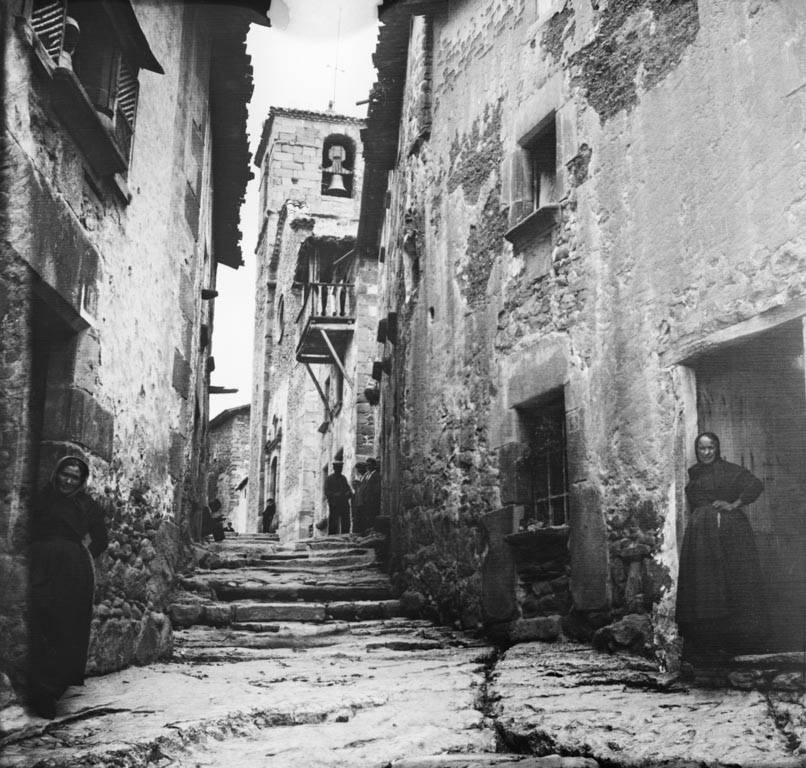
Around it are older houses with stone doorways and narrow balconies. Some still have dates carved into the lintels. Others remain closed for much of the year. Even so, the whole area keeps the feeling of a lived-in place rather than a stage set.
Short streets, unhurried rhythm
Borredà can be crossed in a short time, but it is better not to hurry. The streets shift in slope every few metres and sometimes open into small widened spaces where people stop to talk.
In the afternoon, when the sun drops behind the hills, the light slides low across the rooftops. For a few minutes the façades change from grey to orange. It does not last long and is easy to miss if you are moving too quickly.
Forests at the edge
As soon as you leave the built-up area, paths begin. The landscape is a mix of holm oak, oak and pine. In autumn the ground is covered with dry leaves that crackle underfoot. After several days of rain, some sections become slippery.
Many of these paths follow old rural routes. They pass meadows, stone walls and scattered farmhouses set among the trees. Not all of them are clearly signposted. It is worth carrying a map or having a route downloaded on a phone, as signal can disappear in the more enclosed valleys.
Water and small valleys
Near Borredà, several small streams run down from the hills of the Berguedà. They are not large waterways. In summer they shrink to calm stretches between smooth stones. In wetter periods, the sound of running water can be heard from nearby paths.
In the shade of the trees, the air changes. It feels cooler and carries the scent of moss and damp earth. These are places where people often pause for a few minutes without saying much.
Paths for walking and cycling
The terrain in this area is undulating. There are long forest tracks as well as narrow paths that climb and dip through the woods. Because of this, it is common to come across people on foot or on mountain bikes.
After heavy rain, mud appears on several stretches. It is not unusual to have to get off a bike or go around a wide puddle. In winter, by contrast, the ground is usually firmer and easier to walk on.
When to come
In August, the village usually celebrates its festa major around Sant Sadurní, a traditional local festival. For a few days, the square fills more than usual and music can be heard at night from nearby streets.
If quiet is the aim, autumn and the end of winter are calmer. During the week there is very little movement. By mid-morning you might hear a tractor passing, and little else. At those times, Borredà shows itself as it is for most of the year: a small village surrounded by forest, where time moves slowly.