Full Article
about Campelles
Small high-mountain village with spectacular views; quiet, traditional atmosphere
Hide article Read full article
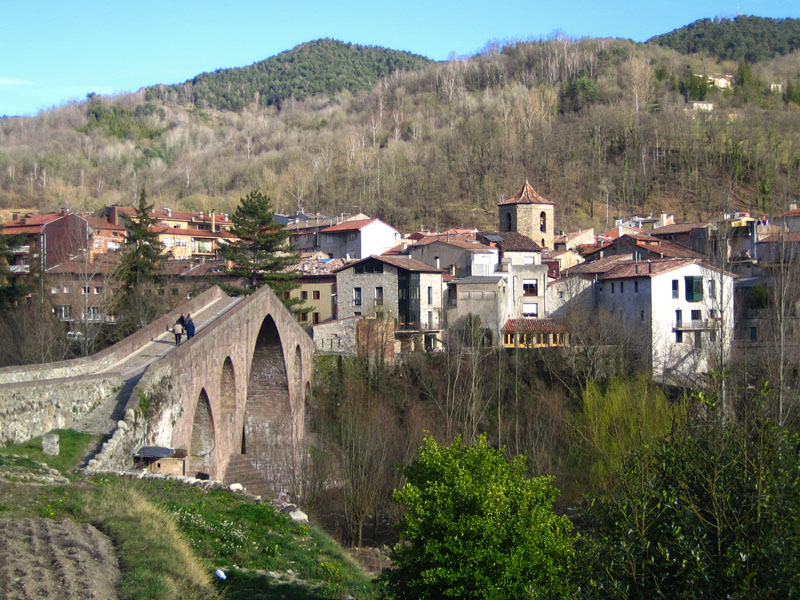
At eleven in the morning, if you wander along the stone streets of Campelles, the air still carries a cool edge that encourages you to slow down. Light filters through pines and firs, casting long shadows across rough stone façades and dark roofs. From a bench in the small square, on a clear day, you can make out the outlines of Puigmal and Bastiments rising in the distance.
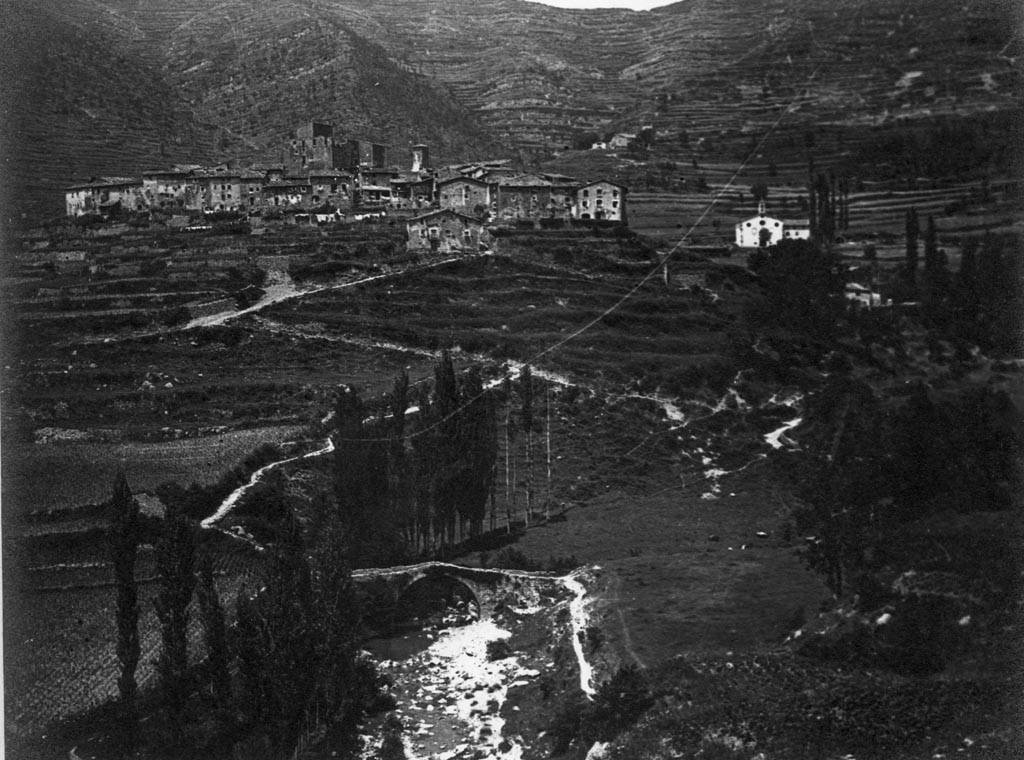
Campelles has around one hundred and fifty inhabitants and clings to a hillside above the Vall de Rigard, in the upper part of the Ripollès region of Catalonia. Tourism in Campelles is closely tied to this elevated position. The village is in constant view of the mountains that surround it. There is no traffic and no shopfront display to distract you. What you hear instead is wind in the treetops or a dog barking somewhere far off.
A Village on the Slope
The church of Sant Martí stands near the centre of the settlement. Its origins are Romanesque, although the building has been altered over time. Thick walls and small windows are a reminder that winters here are long and cold.
There are only a handful of streets and they are short. In some sections the incline forces you to take your time, especially if the ground is damp. Comfortable footwear is a sensible choice, as the stone paving can be slippery after a night of rain or frost.
From several corners of the village, the land drops away towards the valley. Early in the morning it is common for mist to remain trapped below while Campelles sits above it, already in sunlight that touches the façades. The effect changes the sense of scale. The valley feels distant, almost level with the clouds, while the village seems briefly suspended between forest and sky.
Life here moves at a measured pace. With so few streets, you quickly recognise the rhythm of the place: doors opening, the occasional car passing through, voices carrying clearly in the clean air. Nothing in Campelles competes with the landscape. The mountains set the frame and the village fits within it.
Paths Towards Núria and Queralbs
Footpaths lead directly from the village and connect with longer routes towards Queralbs or the Vall de Núria. These are not technical trails, yet they are mountain routes, with stretches through woodland and steady gradients that rarely ease off. If you plan to walk all the way to the area around the sanctuary at Núria, allow several hours.
For those who prefer to avoid the full ascent on foot, many people first head to Ribes de Freser. From there, a rack railway climbs to the Vall de Núria. It is a common alternative when the weather changes quickly or when snow makes the paths more difficult.
The network of routes is part of daily life in Campelles. Paths begin almost at the edge of the last houses and continue upwards, tracing lines through forest and across open ground. The transition from village to mountain happens in a matter of steps. One moment you are beside a stone wall, the next you are under trees, following a track that bends steadily towards higher ground.
Weather shapes these walks. A clear morning can turn within hours, and cloud may roll in from the valley. In winter, snow often settles on the trails that leave the village. Longer routes then require more preparation and careful judgement. When the sky is bright, however, the stillness of a cold morning and the crunch of snow under boots alter the sound of the entire valley.
Forest and Mountain Life
Around Campelles, mixed woodland spreads across the slopes. Pine and beech grow alongside other species typical of this altitude. In autumn the ground is layered with damp leaves and the scent of earth becomes stronger, particularly after rainfall.
Signs of wildlife are not unusual. You might notice tracks in mud, disturbed branches, or a quick movement between tree trunks. Wild boar and roe deer live in these hills. Birds of prey circle above, taking advantage of the currents of air that rise from the valley floor.
In clearings between the trees, remains of old dry stone structures are still visible. These were linked to pastoral activity. For centuries, the mountains around Campelles were used as summer pasture. That relationship with livestock continues to form part of the landscape, even if it is quieter now than in the past. Low walls, partially collapsed enclosures and traces of shelters appear unexpectedly among grass and shrubs, subtle signs of how people once moved through these slopes with their animals.
The forest is not uniform. Some stretches feel dense and enclosed, others open out towards grassland with long views across the valley. As you gain height, the perspective shifts. Roofs in Campelles become small and the pattern of fields below grows clearer. The sense of elevation, already present in the village itself, increases with each turn in the path.
Mushrooms, Kitchen Gardens and Mountain Cooking
When the first autumn rains arrive, many of the paths fill with people carrying baskets. The nearby woods often produce níscalos, known in English as saffron milk caps, senderuelas and other species. Knowing what you are picking matters. Mushroom foraging is a firmly established tradition in this part of Catalonia.
Local cooking is based on mountain produce. Cured embutidos, cheeses made in small-scale operations and vegetables grown in nearby kitchen gardens form the basis of many meals. These are dishes designed for cold weather. They are hearty and meant to be eaten slowly, at a table where conversation takes its time.
Seasonal change is clear on the plate as well as on the hillsides. Autumn brings mushrooms. Winter calls for more substantial fare. The connection between land and cooking remains direct. What grows in the forest or in the garden tends to find its way into the kitchen without much detour.
When to Come
The atmosphere in Campelles shifts with the seasons. Summer brings more activity, particularly at weekends. If you prefer to walk at an unhurried pace, weekdays or the months at the end of spring and the beginning of autumn are usually calmer.
Winter sees frequent snowfall. At times it accumulates on the paths that lead out of the village, and longer routes demand greater preparation. On clear days, the silence of cold mornings carries across the valley in a different way. Sound travels sharply in the crisp air, and the rhythm of footsteps on snow becomes part of the landscape.
Campelles does not offer grand monuments or endless streets to explore. What it does have is a privileged position above the Vall de Rigard and a network of paths that begin almost at the front door of its houses. The mountain is not a distant backdrop here. It starts as soon as the last stone wall gives way to open ground.