Full Article
about Fontanals de Cerdanya
Residential municipality with a golf course; broad valleys and views of the Cadí
Hide article Read full article
Fontanals de Cerdanya: El pueblo que no está
Llegas a Fontanals de Cerdanya buscando un pueblo y te encuentras con una pregunta: ¿dónde está? No hay un cartel de "centro histórico", ni una calle principal llena de terrazas. Solo una carretera, unas cuantas casas de piedra dispersas entre prados, y la sensación de haber llegado a un sitio que funciona con otro ritmo. Este no es un pueblo al uso; es un municipio hecho de pedazos, y entenderlo es la primera parte del viaje.
Un puñado de casas en el llano
Olvídate del plano concentrado. Fontanals son varios núcleos desperdigados por la plana de la Cerdanya. Prats, Bajoles, els Vilars... son nombres que aparecen en los carteles mientras conduces por pistas asfaltadas entre campos. De uno a otro hay minutos en coche. La experiencia es rara: sientes que estás en medio de la nada, pero siempre hay una masía restaurada o una granja activa a la vista. Es como si el pueblo se hubiera derramado sobre el valle y se hubiera quedado así, cómodo en su dispersión.
La iglesia que marca el punto de encuentro
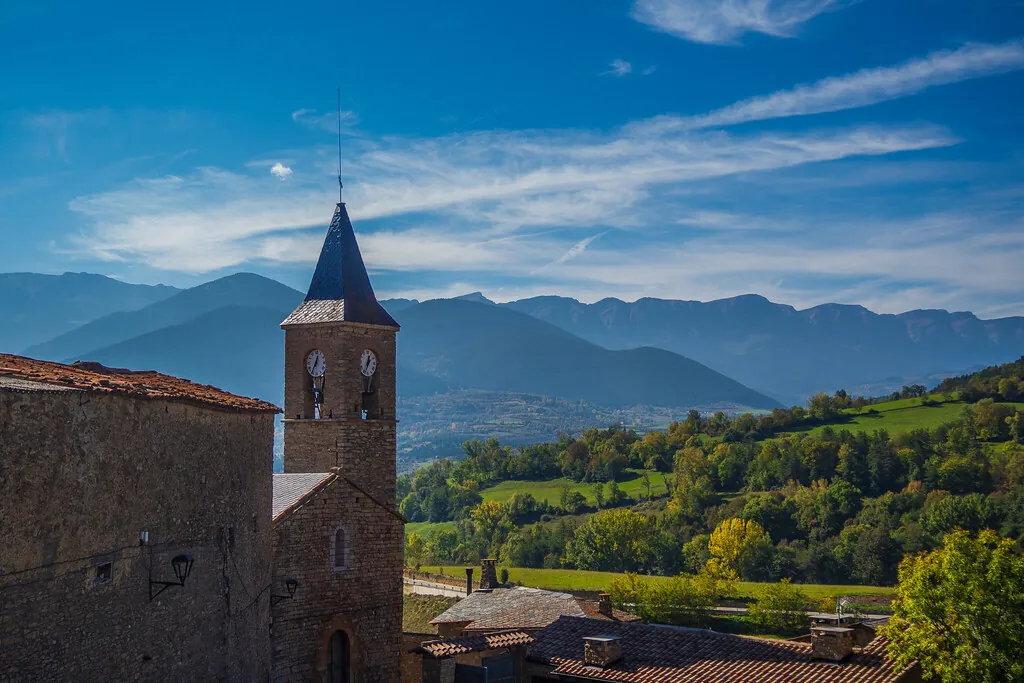
En cada núcleo hay una pequeña iglesia románica. La de Sant Martí, en el sector de Fontanals, es la más conocida. No es una catedral; es del tamaño de una casa grande, con una espadaña sencilla y un porche donde resguardarse. El cementerio anexo está impecable, lo que te da una pista sobre el cuidado local. Aquí no vienes a ver arte excepcional, sino a entender el punto de referencia físico y social para las pocas familias que viven todo el año. Es el lugar donde, tradicionalmente, se juntaba la comunidad.
Paseos sin destino fijo
Aquí no hay rutas señalizadas con nombre épico. El atractivo está en salir a caminar sin más plan que cruzar un prado o seguir un camino agrícola. El terreno parece plano, pero tiene sus ondulaciones; subes una cuesta suave y ganas una vista panorámica del valle encajonado entre montañas. Es común toparse con vacas pastando o con los tractores trabajando. Estos caminos son utilitarios, no turísticos. Eso les da autenticidad y también cierto abandono: a veces la hierba crece alta. Lleva calzado adecuado.
Invierno: silencio junto al bullicio
En temporada de esquí, Fontanals se convierte en un secreto a voces. Estás a diez minutos en coche de Masella o La Molina, pero al volver por la tarde no hay colas ni ambiente après-ski. Hay nieve en los prados, silencio y quizá el rastro de un zorro cruzando la carretera. Es ideal si buscas desconectar después de un día en las pistas, pero sabe a poco si esperas vida nocturna o tiendas cerca. Funciona como dormitorio tranquilo, nada más.
Comida contundente para clima duro
La oferta gastronómica es limitada y eso define lo que hay: cocina ceretana sin florituras. En los restaurantes locales (hay pocos) encontrarás trinxat bien hecho, embutidos de la zona y guisos potentes. Son platos que piden beberse con vino tinto y terminar con un queso local curado en las mismas granjas que ves desde la ventana. No es lugar para gourmets exigentes, sino para comer bien tras horas al aire libre.
Vale la pena si ajustas las expectativas
¿Merece un viaje expreso? Solo si buscas específicamente tranquilidad extrema y paisajes abiertos sin gente. Fontanals decepcionará a quien espere pueblo pintoresco con tiendas de artesanía y monumentos. Su valor está justo en lo contrario: en ser ese lugar donde paras el coche, respiras hondo y ves cómo se vive (lento) en uno de los valles más amplios del Pirineo. Ven por unas horas, date un paseo sin rumbo y sigue tu camino. A veces los lugares que menos impresionan son los que mejor recuerdas después