Full Article
about Llorac
Rural municipality made up of several small hamlets with castles and chapels in dryland scenery.
Ocultar artículo Leer artículo completo
The tractors start at six. Not in a polite, distant way, but close enough to shake the medieval stones of the house you're staying in. By half past, the first swallow has swooped over the single street, and the baker's van—yes, an actual van that still sells bread from the back—has already beeped twice. In Llorac, population ninety-three, this counts as the morning rush.
At 650 metres on a wind-scoured plateau of Conca de Barberà, the village sits high enough for the air to feel thinner than on the Costa Daurada beaches forty-five minutes away. Summer mornings are warm and bright, yet by 10 p.m. the thermometer can drop ten degrees; bring a jumper even in August. Winter, conversely, is sharp and cloudless. When the tramuntana wind barrels down from the Pyrenees, the cereal fields that encircle the houses turn silver and the soil hardens like biscuit. Snow is rare but not impossible; if it comes, the only access road—no pavement, no cat's-eyes—becomes a bob-run.
A Village That Never Needed a Bypass
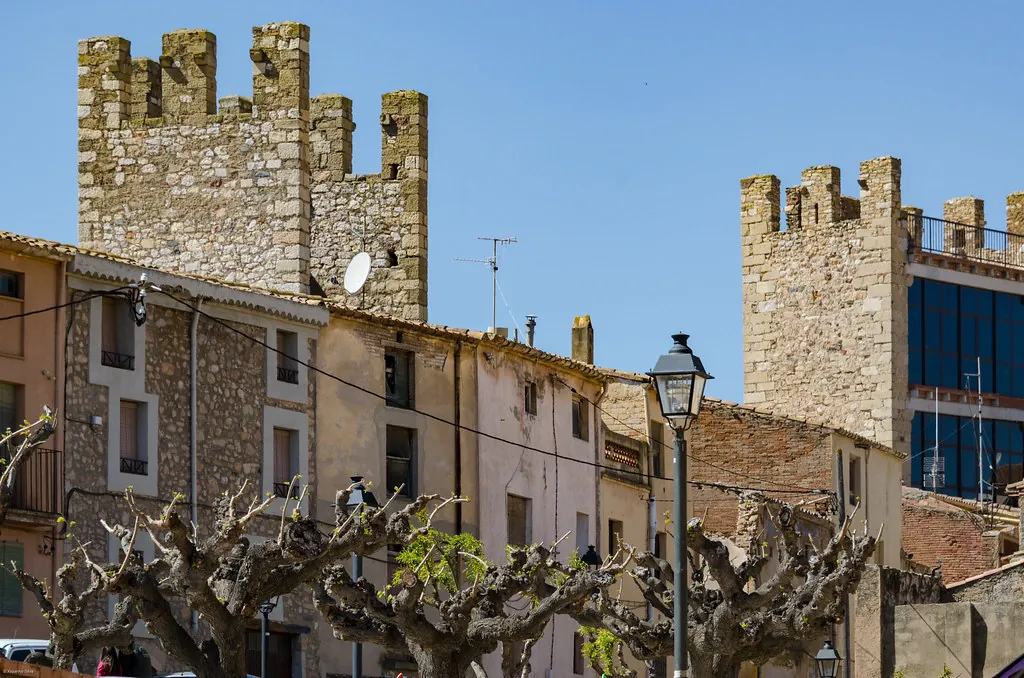
Llorac never grew large enough to justify a ring road, so the tarmac simply stops at the last farmhouse. Park by the stone cross; everything else is on foot. The whole medieval core is a twenty-minute lap: Carrer Major up, Carrer de l'Església across, Carrer del Forn down. Houses grow out of the bedrock, their limestone blocks the same colour as the earth, roofs pitched to shrug off the wind. Look for the 1706 date chiselled above the blacksmith's arch—someone wanted posterity to know the place survived the War of Spanish Succession.
Halfway up the slope, the parish church of Sant Miquel squats like a bulldog. Its bell-tower is shorter than the cypress beside it, but you can spot it from five kilometres away when you're hiking the farm tracks. Inside, the nave is cool and smells of candle grease and old grain sacks; harvest trophies are still stored in a side chapel because there is nowhere else. The priest turns up only twice a month, so services feel like rehearsals: twenty voices, one harmonica, no fuss.
Walking Without Way-markers
There are no gift-shop maps, yet it's hard to get lost. From the fountain, head east on the dirt lane that smells of fennel; within ten minutes you'll pass a stone terrace where an elderly man in a blue boiler suit waves whether you know him or not. That is your signpost. Keep straight and you reach the almond terraces—white in February, burnt umber by July. A gentle loop south brings you to the abandoned masia of Cal Riera; swallows nest inside the hayloft, and the doorway is scrawled with 1953 charcoal prices. Total distance: 5 km. Total ascent: 120 m. Total humans met: probably none.
Serious hikers can stitch together longer shepherd paths toward the Serra del Tallat, but carry water—bars don't appear for miles and the springs are seasonal. After heavy rain the clay sticks to boots like wet cement; turn back if your shoes begin to resemble platform soles.
What You Won't Find (and Won't Miss)
No souvenir fridge magnets. No boutique hotel with infinity pool. The nearest cash machine is eight kilometres away in Conesa, and it closes at 10 p.m. Lunch options are limited to whatever you've bought from the mobile grocer who toots through on Tuesdays and Fridays. His van stocks local wine in one-euro plastic pouches—perfectly quaffable, impossible to Instagram.
Accommodation means renting one of three village houses refurbished by families who moved to Barcelona in the 1960s. Expect thick walls, wood-burning stoves, Wi-Fi that flickers when the wind is in the north, and a roof terrace where you can watch lightning storms sweep across the plain. Prices hover around €90 a night for two; book through the town-hall website ( Catalan only, but Google Translate copes). Hosts leave a bottle of olive oil pressed from their own trees; breakfast is up to you.
Wine That Doesn't Need Tasting Notes
The Conca de Barberà DO is better known to locals than to export markets; that's slowly changing. Drive twenty minutes to Barberà de la Conca and the cooperative cellar will pour you a trepat—an indigenous light-red grape that tastes like cranberries and cracked black pepper. They charge €4 a bottle, €6 if you want the label straight. No appointment necessary before noon; knock and someone wipes their hands on a tea towel and appears. Mention Llorac and they'll nod—"Sí, hi ha bones vistes des d'allà."
Back in the village, every household seems to keep a demijohn in the stairwell. If you're invited in for a glass, the correct response is "Gràcies, amb molt de gust." Refusing the first offer is polite British habit; here it merely confuses people.
Festa Major: One Street, One Orchestra, All Night
The main fiesta falls on the last weekend of July. A lorry parks at the crossroads, unloads a stage, and the population quadrples. Saturday night begins with a communal paella cooked in a pan two metres wide; bring your own spoon and pay €8 towards the rice. After midnight, the brass band strikes up Catalan rock covers; dancing lasts until the tractors start again at six. Visitors are welcome but not announced—don't expect bilingual signage. If you want to blend in, learn the chorus of "La Bona Gent" beforehand; it's repetitive and involves clapping.
When to Come, When to Stay Away
April and May are prime: green wheat, magenta Judas trees, daytime 20 °C, night-time 10 °C. September repeats the trick with added grape-harvest scent. Mid-July to mid-August can top 34 °C; walk early, siesta late, swim in the reservoir at Vallverd (15 km). November through March is crisp, empty and whisper-quiet—ideal for writers, less so for families who need pizza menus. If the forecast says temporal (storm), reconsider: the access road turns into a greasy clay slide and tow-trucks are expensive.
Leaving Without a Fridge Magnet
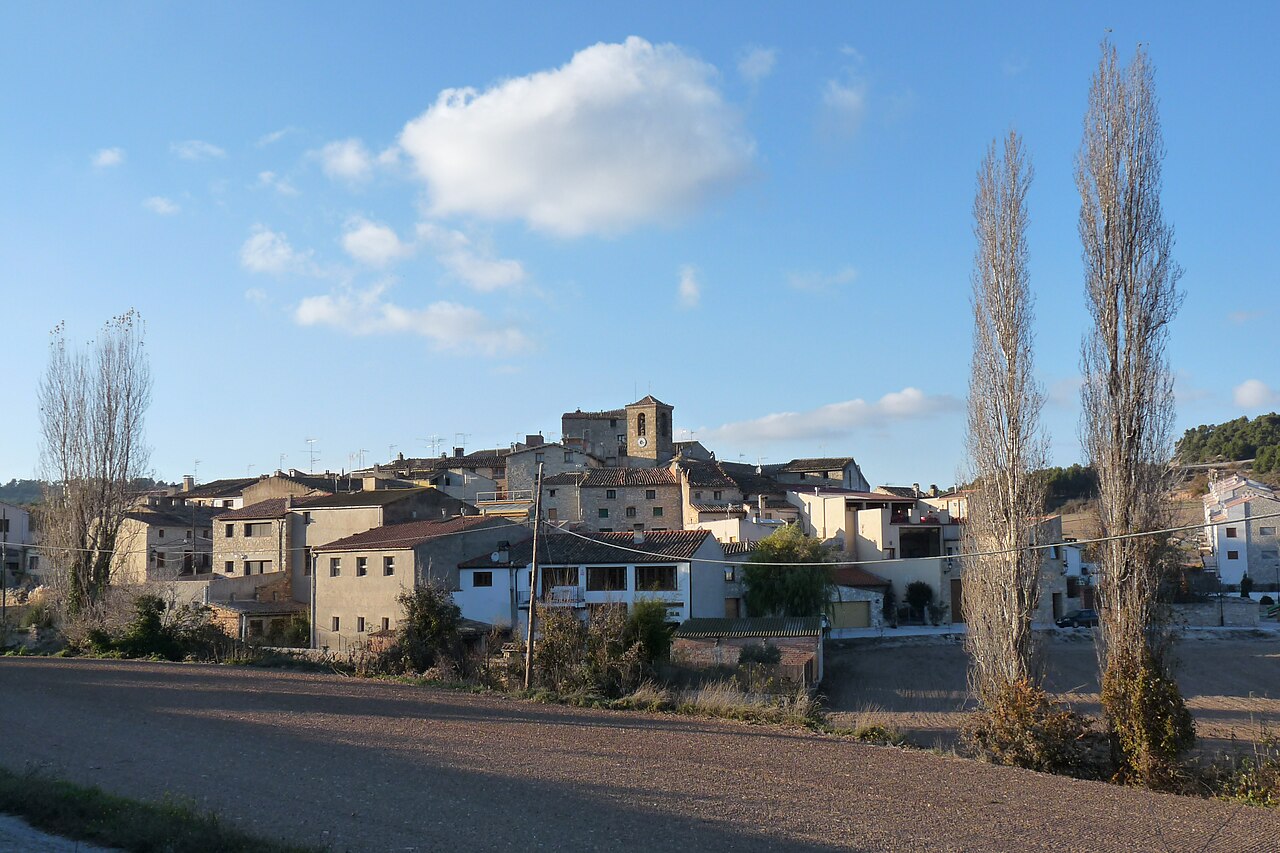
Buy a bag of raw almonds from the cooperative bins in the grocer's van; they taste of honey even before roasting. On your way out, stop at the viewpoint just above the stone cross. The village clusters on its ridge like a handful of dice thrown centuries ago and left where they landed. Photograph it quickly—then put the camera away and listen. Tractors, yes, and dogs, but underneath those something quieter: soil drying, grain swelling, a place getting on with itself while no one is watching.