Hotel Pira en Fortín General Díaz Chaco Paraguay.jpg
Chipaguasustudios · CC0
Cataluña · Sea, Mountains & Culture

Pira

The morning mist lifts differently at 385 metres. In Pira, it unravels slowly across the Conca de Barberà, revealing rows of vines that stripe the ...

512 inhabitants · INE 2025
385m Altitude

Why Visit

Local wineries Wine tourism

Best Time to Visit

autumn

Main festival (August) agosto

Things to See & Do
in Pira

Heritage

  • Local wineries
  • Church of San Salvador
  • Heraldic coat of arms

Activities

  • Wine tourism
  • Walks around the area
  • Winery visits

Festivals
& & Traditions

Fecha agosto

Fiesta Mayor (agosto), San Salvador (agosto)

Las fiestas locales son el momento perfecto para vivir la autenticidad de Pira.

Full Article
about Pira

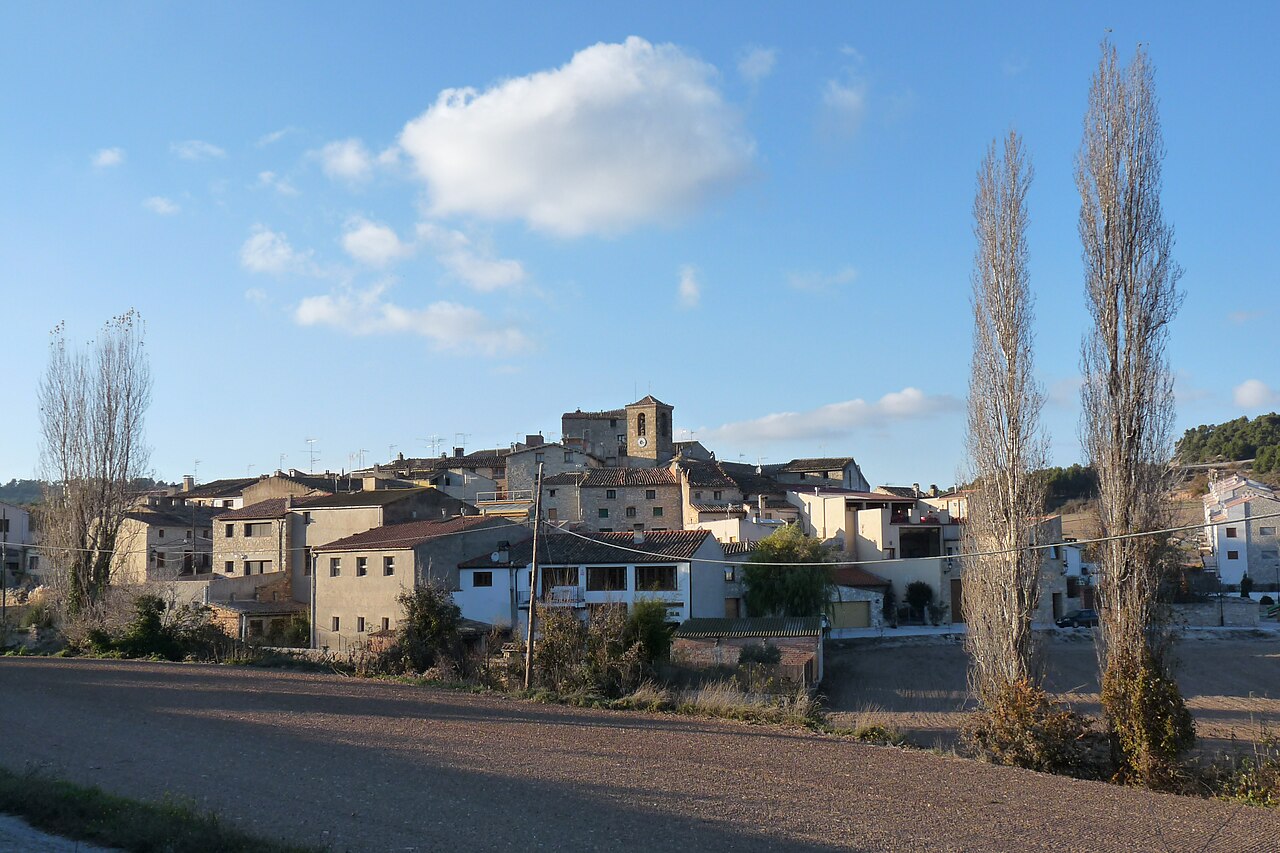
Town on a hill with wineries and traditional Conca architecture.

Ocultar artículo Leer artículo completo

The morning mist lifts differently at 385 metres. In Pira, it unravels slowly across the Conca de Barberà, revealing rows of vines that stripe the hills in military precision. This isn't postcard Catalonia—it's better. A village of 503 souls where the butcher knows exactly which farm your lamb came from, and the bakery runs out of croissants by 10am because that's when locals have finished breakfast.

At this altitude, the air carries a crispness that coastal Catalonia can't match. Summer mornings start cool, even in August, while winter brings proper mountain cold—sometimes enough to dust the medieval stone roofs with frost. The elevation means Pira escapes the worst of the lowland humidity, creating ideal conditions for both grapes and hikers' lungs.

The village centre reveals itself in about fifteen minutes of wandering. Narrow lanes funnel towards the Romanesque church of Santa Maria, its stone walls weathered soft by centuries of mountain weather. Around it, the old town maintains its medieval bones—though don't expect fairy-tale perfection. Some houses wear their age elegantly, others sport satellite dishes and PVC windows with the cheerful indifference of rural Spain. That's the point. Pira functions as a working village first, tourist destination second.

The Vineyard Circuit

Pira sits in wine country, though you'll need wheels to explore properly. The local cooperativa in neighbouring Barberà de la Conca offers tastings for €8, including three wines and enough Catalan to test your phrasebook skills. More serious oenophiles head to Montblanc, ten minutes by car, where cellars like Capçanes run proper tours with advance booking. The vineyards surrounding Pira themselves belong to small producers—knock on the right door and you might find someone happy to sell you a bottle of whatever's in their barn.

Walking offers a different perspective on the wine landscape. A network of rural tracks connects Pira with neighbouring villages, passing through fields that change dramatically with seasons. Spring brings bright green cereal shoots between the vines; autumn sets the whole landscape ablaze with ochre and rust. The PR-C 124 trail links Pira to Montblanc in 12 kilometres—manageable in half a day if you're reasonably fit, though carry water as shade is scarce.

Mountain weather means these walks require proper preparation. Summer heat builds rapidly after 11am; start early or wait for late afternoon. Winter brings different challenges—paths can turn muddy after rain, and January temperatures occasionally drop below freezing. The compensation comes in crystal-clear air that delivers views stretching to the Prades mountains, their limestone ridges forming a dramatic backdrop to the gentler vineyard country.

Market Day Realities

Wednesday morning transforms the main square as Pira's weekly market sets up. It's modest—perhaps a dozen stalls—but delivers everything from locally cured botifarra sausage to cheap underwear. The cheese man visits every other week, his Manchego worth the queue that forms at his van. Prices run lower than coastal resorts: expect to pay €4-5 for a decent bottle of local wine, €12-15 for a kilo of good jamón.

Food shopping here requires flexibility. The village shop stocks basics but closes for siesta 1-4pm. The bakery opens at 7am and might have sold out of bread by 2pm—they bake what's needed, no more. This isn't incompetence; it's supply meeting actual demand. Learn the rhythm or drive to Montblanc's larger supermarkets, though that rather misses the point of staying somewhere this size.

Local restaurants reflect agricultural reality. Can Bonet serves proper Catalan cooking without tourist mark-ups—three courses with wine costs around €18 at lunch. The menu changes with what's available; rabbit appears regularly, as does the local speciality, calçots, between January and March. These giant spring onions demand technique: dip in romesco sauce, tip back head, lower slowly while avoiding shirt damage. It's messier than it sounds.

Beyond the Village

Pira works brilliantly as a base for exploring medieval Catalonia. Montblanc's walled old town lies fifteen minutes away—park outside the walls and walk through the Portal de Sant Jordi, supposedly site of Saint George's dragon-slaying. The tourist office sells a combined ticket (€8) for the walls and two churches, worth it if you like Gothic architecture and climbing narrow stairs.

Vallbona de les Monges, half an hour southwest, houses one of Catalonia's most important Cistercian monasteries. The nuns still inhabit part of the complex; their choir stalls, carved in the 13th century, demonstrate medieval woodworking skills that make IKEA look inadequate. Visit at 1pm for the free guided tour—in Spanish or Catalan only, but the architecture transcends language barriers.

The coast tempts, but think carefully before committing. Tarragona's Roman ruins sit 45 minutes away, yet parking costs €2.50 per hour and summer crowds can overwhelm. Better perhaps to stick to mountain routes—the Cistercian monastery trail links three medieval complexes across 105 kilometres of properly spectacular country. Even driving between them beats battling beach traffic.

When to Visit, When to Avoid

Spring delivers Pira at its best. Late March brings almond blossom; April carpets the surrounding hills with wildflowers. Temperatures hover around 18-20°C—perfect walking weather. May ramps up towards 25°C, though mountain breezes prevent the stifling heat that grips coastal areas.

August tests even local patience. Daytime temperatures can hit 35°C, and the village's limited shade offers little relief. Many businesses close as locals escape to the coast. If summer's your only option, base yourself here but plan early starts and late finishes, spending midday in air-conditioned caves at nearby wineries.

Winter brings mixed blessings. January averages 10°C—cold enough for proper mountain walking gear, mild enough to avoid snow most years. The village feels properly alive; locals have time to talk, restaurants serve hearty stews rather than tourist-friendly salads. But short days restrict exploration time, and some rural tracks become impassable after heavy rain.

The Fiesta Mayor in mid-August transforms the village completely. Population swells to perhaps 2,000 as expat families return and visitors arrive. Street parties run until 3am; the local brass band rehearses for weeks beforehand. It's either magical or unbearable, depending on your tolerance for noise and crowds. Book accommodation well ahead—Montblanc's hotels fill fast.

Pira won't change your life. It might, however, recalibrate your sense of what makes a worthwhile holiday. No single sight demands attention; instead, the village offers something increasingly rare—authenticity without affectation. Come for the walking, stay for the market conversations, leave understanding that sometimes the best destinations are those that never aimed to be destinations at all.

Key Facts

Region
Cataluña
District
Conca de Barberà
Coast
No
Mountain
No
Season
autumn

Planning Your Visit?

Discover more villages in the Conca de Barberà.

View full region →

More villages in Conca de Barberà

Traveler Reviews