Santa Maria de Bell-lloc.jpg
Cataluña · Sea, Mountains & Culture

Santa Coloma de Queralt

The road climbs steadily from the coastal plains, leaving behind the package-tour coastline and the industrial estates that ring Tarragona. At 674 ...

2,795 inhabitants · INE 2025
674m Altitude

Why Visit

Castle of the Counts Historic route

Best Time to Visit

summer

Main Festival (August) agosto

Things to See & Do
in Santa Coloma de Queralt

Heritage

  • Castle of the Counts
  • Main Square
  • Church of Santa María

Activities

  • Historic route
  • Hiking through Baixa Segarra
  • Saffron Fair

Festivals
& & Traditions

Fecha agosto

Fiesta Mayor (agosto), Som Terra de Safrà (noviembre)

Las fiestas locales son el momento perfecto para vivir la autenticidad de Santa Coloma de Queralt.

Full Article
about Santa Coloma de Queralt

Historic town with a castle of the Counts and a beautiful arcaded main square.

Ocultar artículo Leer artículo completo

A Town That Forgot to Modernise (Thankfully)

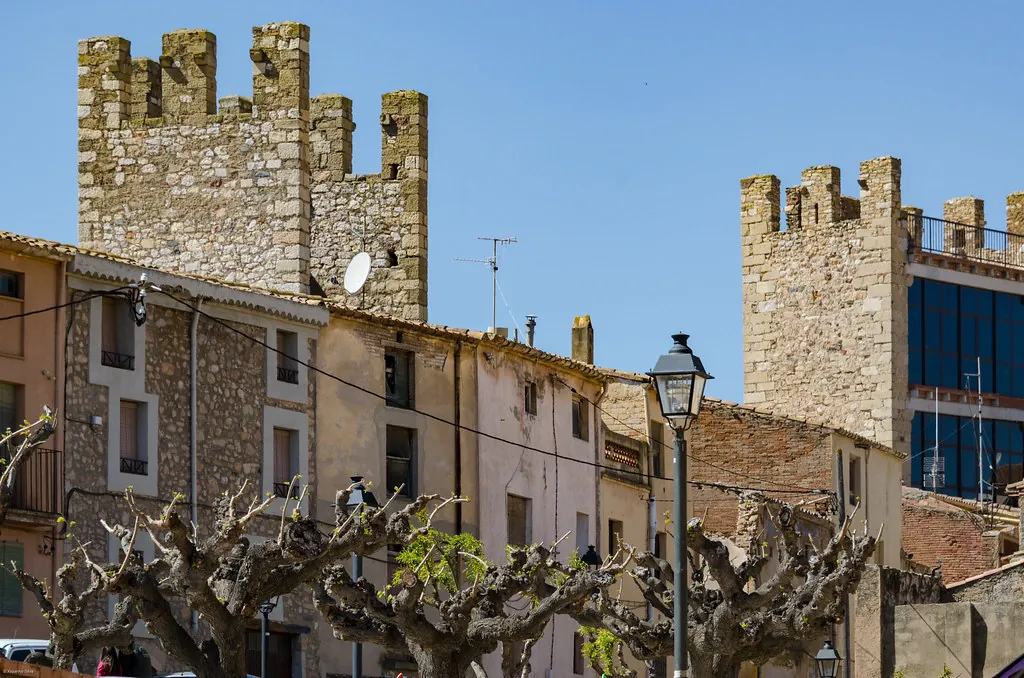
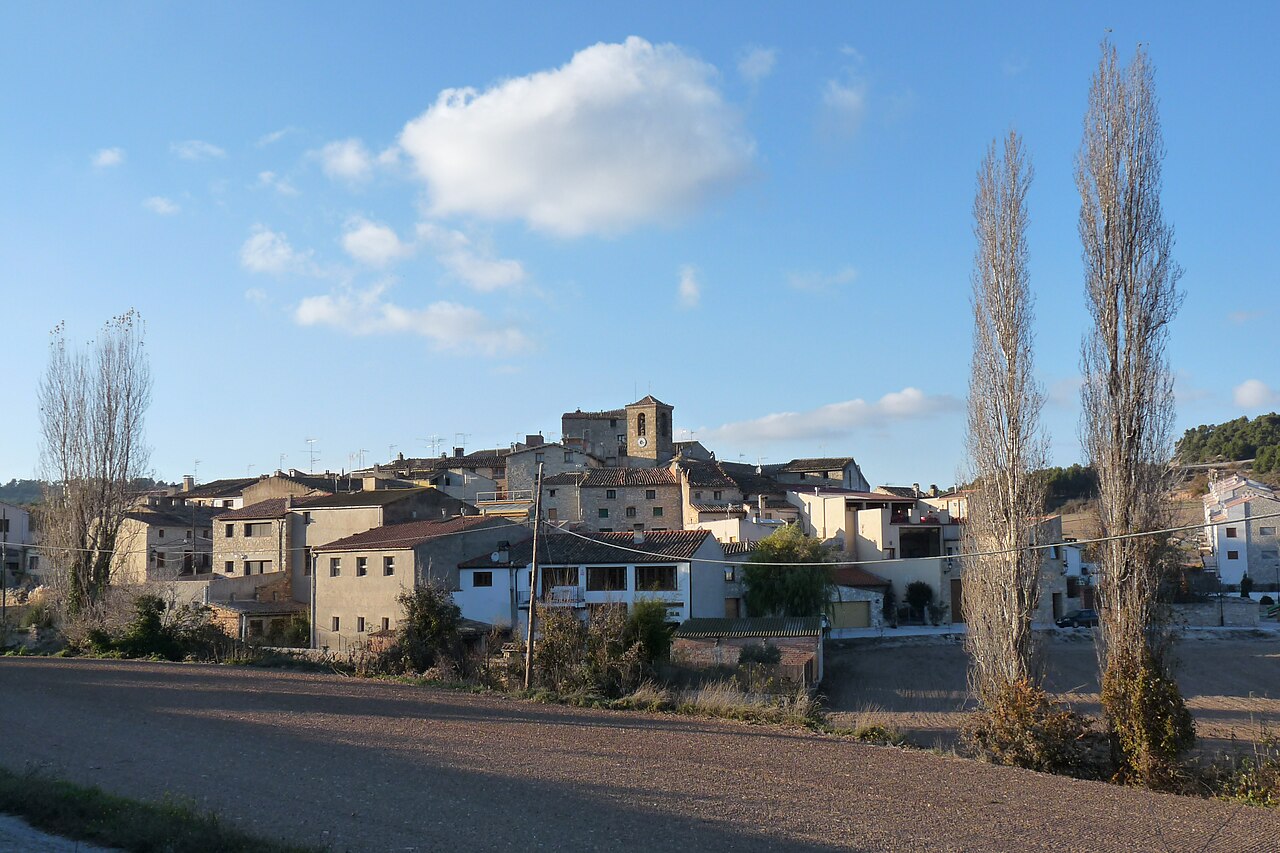
The road climbs steadily from the coastal plains, leaving behind the package-tour coastline and the industrial estates that ring Tarragona. At 674 metres, Santa Coloma de Queralt appears suddenly – a compact knot of stone buildings huddled around a Gothic church tower, with the Pyrenean foothills providing a dramatic backdrop that most British visitors never realise Catalonia possesses.

This isn't the Spain of Costas and crowded beaches. It's a place where four medieval gates still control access to the old town, their stone arches worn smooth by six centuries of carts, cars and now the occasional motorhome. The town's 2,800 residents live largely as they have for generations, their daily rhythms dictated more by agricultural seasons than tourist seasons.

The first thing visitors notice isn't architectural. Yellow ribbons flutter from balconies, tied around lamp posts, even woven into shop displays. These aren't decorations – they're symbols of Catalan independence sentiment, a gentle reminder that this quiet town has strong opinions about its identity. It's an immediate insight into the political undercurrents that shape modern Catalonia, far removed from the cosmopolitan bustle of Barcelona.

Walking Through Six Centuries in Three Hours

Santa Coloma de Queralt rewards those who explore on foot, though sensible shoes are essential. The medieval street plan follows no logic beyond ancient property boundaries, creating a maze of narrow lanes that open suddenly onto small squares. Parking outside the walls isn't just advisable – it's essential. The streets within were designed for donkeys, not Ford Focuses, and rental car companies notice every scrape.

Start at the Portal de Sant Francesc, the best-preserved of the town gates. The massive stone archway still bears the grooves where medieval portcullises once dropped. Pass through and you're immediately in another century. The Plaça Major opens up, its arcaded buildings providing shade and housing the few shops that haven't succumbed to siesta. The weekly market here on Saturday mornings transforms the square into a proper country market – farmers from surrounding villages sell seasonal produce, and locals gossip over coffee thick enough to stand a spoon in.

The Església de Santa Maria dominates one side of the square, its Gothic facade softened by later Baroque additions. Inside, the contrast between austere stone and elaborate gilt altarpieces tells the story of changing tastes and fortunes. Entry is free, though donations maintain the building. The adjacent Castell de Santa Coloma isn't really a castle anymore – most of it was absorbed into later buildings, but climb the remaining tower for views across the Conca de Barberà wine region.

Time your visit for late morning and follow locals to Restaurant Els Noguers for calçots if visiting between January and March. These giant spring onions, charred over vine shoots and dipped in romesco sauce, are messy but delicious. The restaurant provides bibs for good reason. Outside calçot season, the menu del día offers proper Catalan cooking – expect substantial portions of olla barrejada (hearty meat and bean stew) that make British pub food seem positively dainty.

Beyond the Walls: Wine, Walking and the Real Countryside

Santa Coloma de Queralt works perfectly as a base for exploring rural Catalonia without the crowds that plague better-known destinations. The town sits on the ancient Camí Reial (Royal Way), a medieval route that once connected Tarragona with the interior. Sections make for pleasant walking through vineyards and almond groves, though summer walking requires early starts and plenty of water. The sun at this altitude has real bite, and shade is sporadic at best.

Wine enthusiasts should visit Celler Mas Foraster, ten minutes' drive from town. This small producer specialises in trepat, a light red grape variety unique to the region. Tastings cost around €8 and include generous pours of wines you're unlikely to find back home. The Conca de Barberà denomination remains under most tourists' radar, keeping prices reasonable and visits personal. Book ahead – English-speaking staff aren't guaranteed, but Catalan wine vocabulary translates easily enough.

The Ermita de Sant Bartomeu, perched on a hill outside town, provides the best sunset spot. The fifteenth-century chapel is simple, but the 360-degree views stretch from the Montserrat massif to the Pyrenees on clear days. The twenty-minute walk up is steep but manageable, passing through olive groves where locals still harvest by hand each November.

When to Visit and What to Expect

Spring and autumn provide the sweet spot for visiting. Summer temperatures regularly top 35°C, and many businesses close during August as locals escape to the coast. Winter brings crisp, clear days but occasional snow isn't unknown at this altitude. The town's Fiesta Major in mid-August sees the population triple as expats return, but accommodation books up months ahead.

Friday's market day brings the town to life, but don't expect late-night excitement. Most restaurants stop serving by 10 pm, and the few bars quieten significantly after midnight. This is a working town, not a tourist resort – early mornings mean early nights. Cash remains king; several cafés won't accept cards for purchases under €10, and the only ATM occasionally runs dry during market weekends.

Accommodation options within the walls are limited to a handful of guesthouses. Most visitors base themselves in nearby Montblanc, ten kilometres away, which offers more choice while keeping Santa Coloma within easy reach. The drive from Barcelona takes ninety minutes via the AP-2 motorway, though the scenic route through the Prades mountains adds time but rewards with spectacular views.

Santa Coloma de Queralt won't suit everyone. Those seeking nightlife, beaches or major attractions should look elsewhere. But for travellers wanting to experience an authentic Catalan country town where medieval history feels recent and tourism hasn't distorted daily life, it offers something increasingly rare. Come with realistic expectations – limited English spoken, siesta hours respected, and a pace of life that refuses to accelerate for visitors – and you'll discover a Spain that package holidays long since bypassed.

Key Facts

Region
Cataluña
District
Conca de Barberà
Coast
No
Mountain
No
Season
summer

Planning Your Visit?

Discover more villages in the Conca de Barberà.

View full region →

More villages in Conca de Barberà

Traveler Reviews