Full Article
about Senan
Quiet mountain village with a Romanesque church in the Serra del Tallat.
Hide article Read full article
A village that reveals itself slowly
Some places are planned stops. Others appear almost by accident, the kind you reach after a small detour that turns into something more memorable than expected. Tourism in Senan leans firmly towards the latter. This small village in the Conca de Barberà sits high up, with fewer than fifty residents and more countryside around it than buildings within it.
There are no major landmarks drawing crowds, no explanatory signs guiding each step. Senan works differently. It is the sort of place that makes sense at a slow pace. A façade catches your eye, then a field, then the quiet itself. Bit by bit, the whole picture comes together.
First impressions on arrival
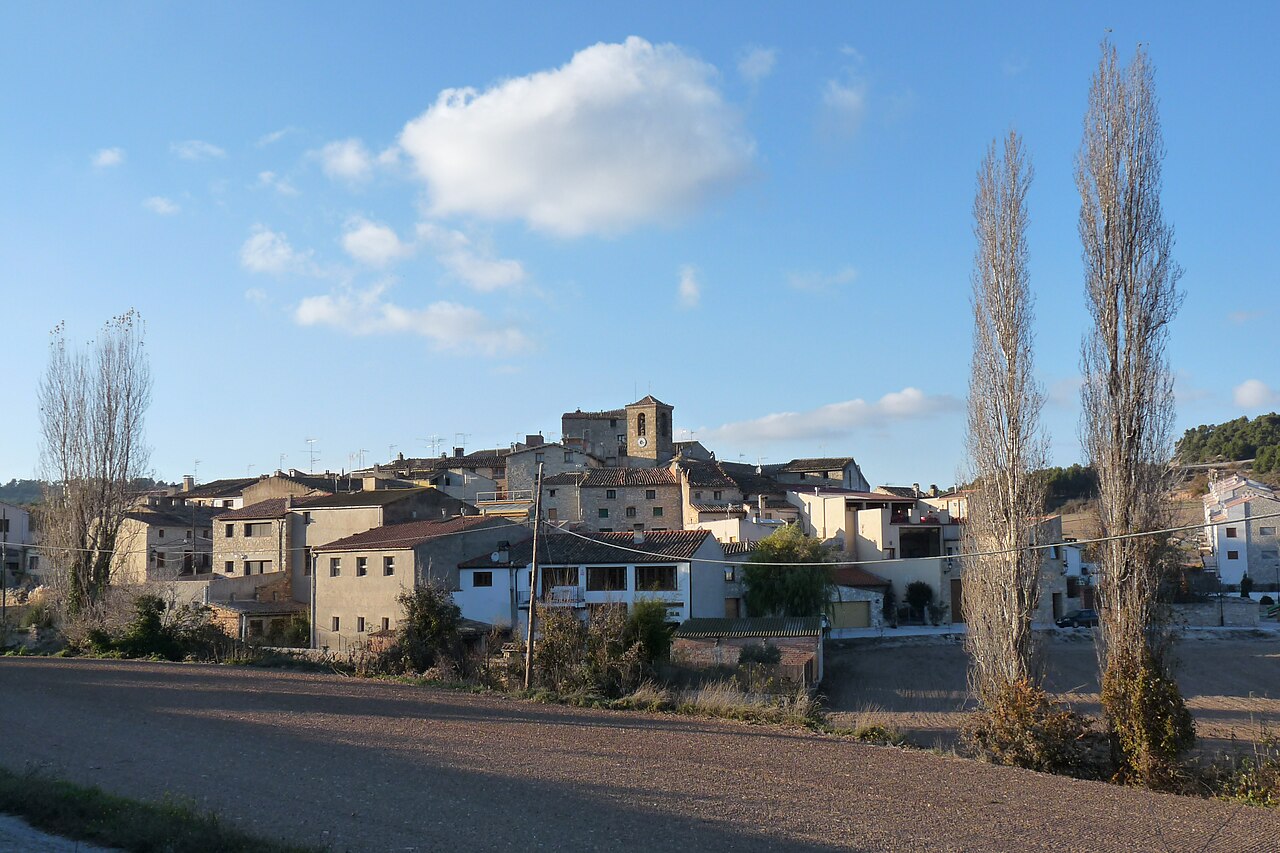
The road into Senan does not build anticipation. A short climb, a couple of bends, and the village appears. Small, compact, and notably calm, even by rural standards.
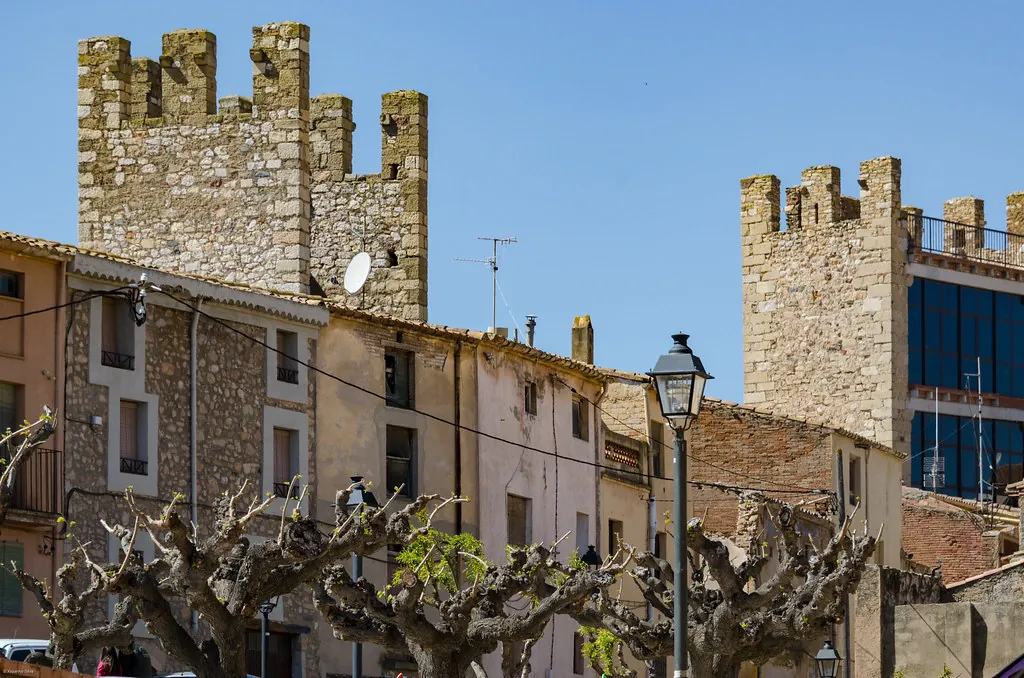
The houses are built from stone, with sloping roofs and relatively small windows. Everything suggests construction shaped by practical concerns like winter and wind. There is no grand central square or tightly packed historic quarter where everything converges. Instead, the layout is simple: a handful of straight streets, few corners, and buildings designed to last.
With a population of 47 people, there is no constant movement. It is the kind of place where the sound of a door opening at the far end of the street stands out, signalling that someone has stepped out to run a quick errand.
Sant Pere and the shape of the village
In Senan, the main point of reference is the parish church of Sant Pere. It is not large or ornate. Quite the opposite. Built in stone, with restrained proportions, it has the understated presence typical of a village church that has served generations.
It often becomes the anchor for finding your bearings while walking through the village. Nearby, the land begins to open up, and the surrounding fields come into view. From certain spots, vineyards and cultivated plots can be seen descending towards the flatter landscape of the comarca, a Catalan administrative region similar to a county.
This gradual transition from village to farmland is part of what defines Senan. The boundary is not sharply marked. It simply fades from buildings into working land.
Walking out into the fields
Visiting Senan almost invites a short walk beyond the built-up area. There is no network of signposted trails designed for visitors. What you find instead are agricultural tracks used by locals to reach their land.
That is part of the appeal. These are working paths, not curated routes. Dirt tracks run between fields, dry stone walls, and the occasional scattered masía, a traditional rural farmhouse typical of Catalonia. The atmosphere is shaped by everyday activity rather than tourism.
Now and then, there might be livestock nearby or the distant sound of a tractor. Otherwise, the dominant feature is the quiet.
The landscape shifts noticeably with the seasons. Spring and summer bring greener tones across the fields. In autumn, the colours turn more ochre, especially among the vineyards. Winter feels harsher. The village’s elevated position makes the cold more present, and the overall mood becomes more austere and still.
At night, the sky stands out. With so little artificial light, it only takes a short walk away from the centre to notice how clear and open it feels overhead.
Eating and planning your visit
It is worth knowing before arriving: Senan does not have shops or restaurants operating on a regular basis. Daily life here follows a different rhythm, shaped by its size and rural setting.
For that reason, many visitors combine a stop in Senan with other nearby towns in the Conca de Barberà. Places such as Sarral or Montblanc are a short drive away and offer more services.
Even so, the landscape around Senan is closely tied to the products of the region. Vineyards belonging to the Conca de Barberà designation of origin are part of the scenery, alongside olive oil production and traditional preparations linked to local agriculture. These elements are not presented as attractions, but they form the background to how the area functions.
Festivities and local life
The main festival, known locally as the festa major, usually takes place towards the end of August, although the exact dates can vary each year. It is a moment when some residents who live elsewhere return, and the village briefly regains a busier atmosphere.
These are not large-scale celebrations. They tend to be simple gatherings centred around the church and the streets of the village. The focus is on meeting, sharing time, and maintaining traditions.
A similar pattern appears at Christmas. Religious services and family gatherings continue in much the same way they have for decades, reflecting continuity rather than change.
A short stop in the Conca de Barberà
Senan is not a place designed for a full day of sightseeing. It works better as a short stop within a wider route through the comarca. You arrive, park along one of the streets without much fuss, take a relaxed walk through the village, and then head out along the surrounding tracks.
In a couple of hours, it is possible to get a clear sense of what the place is about. The impression it leaves is not tied to a single monument or activity, but to its pace and atmosphere.
Senan carries on in its own way, without trying to draw attention. For many visitors, that is precisely what makes the stop worthwhile.