Full Article
about Vallclara
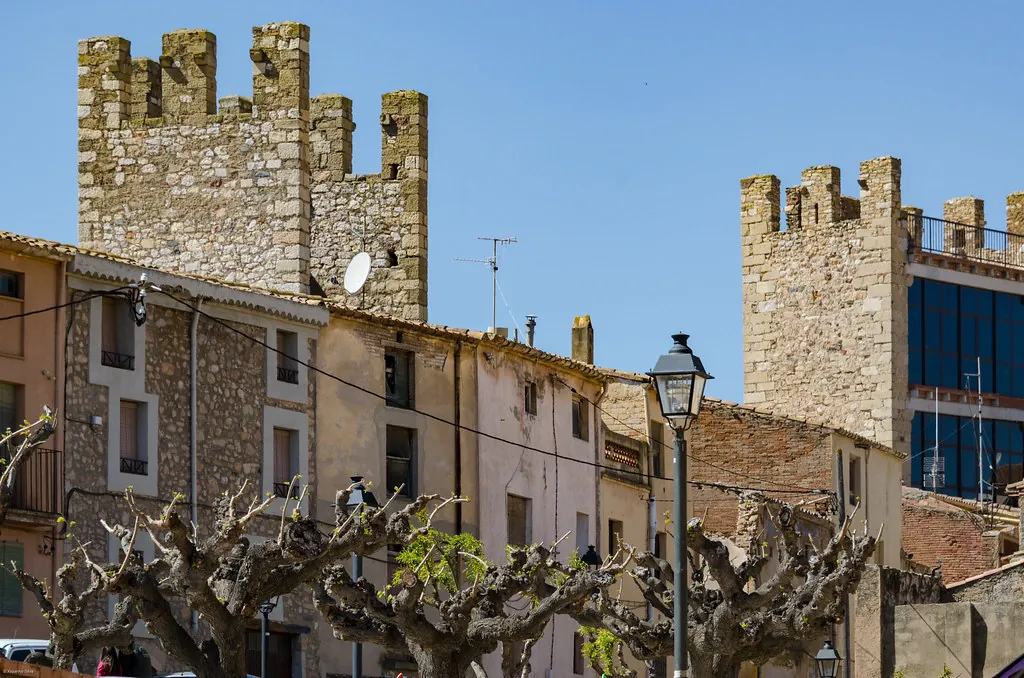
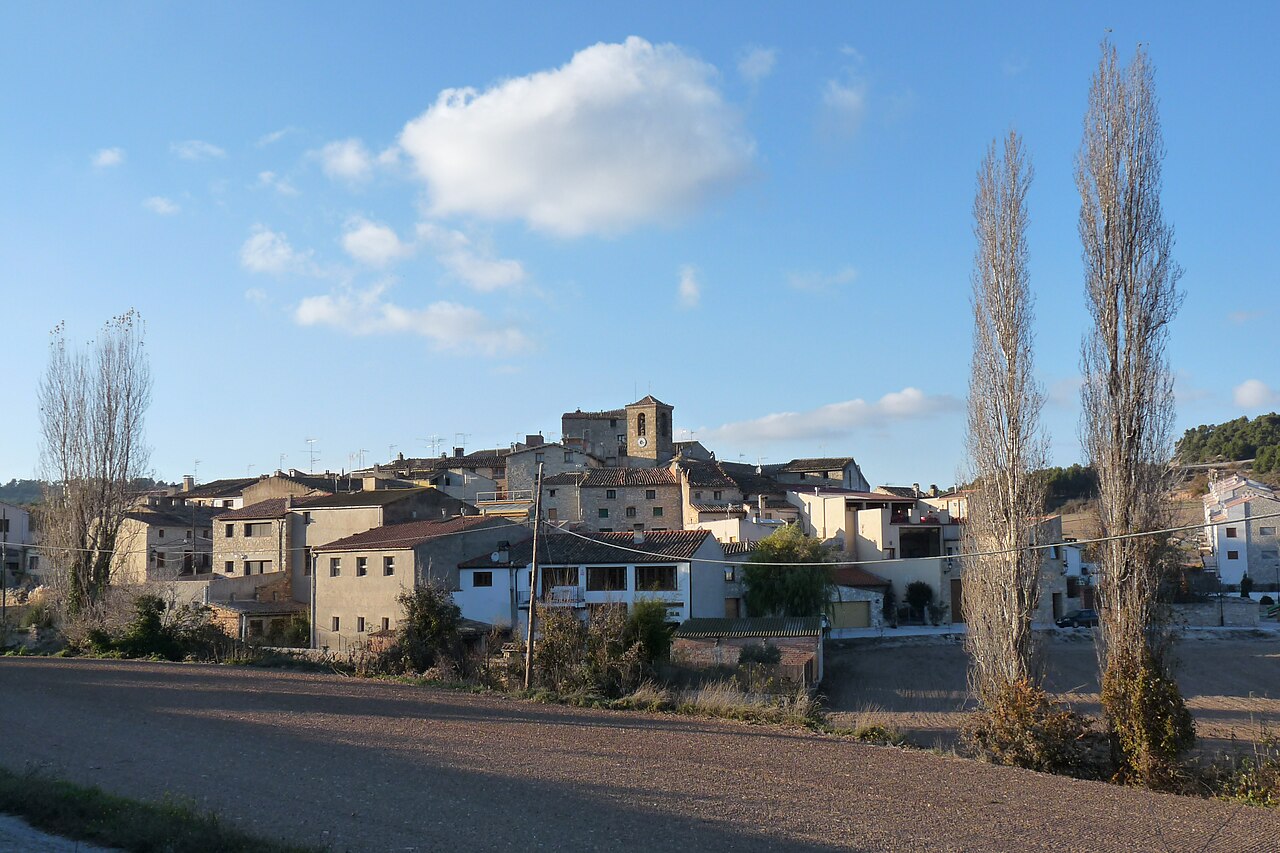
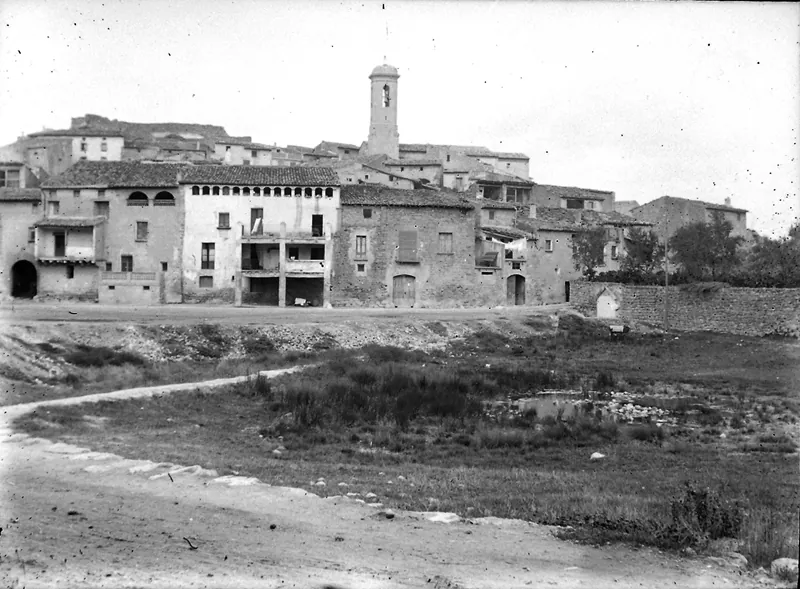
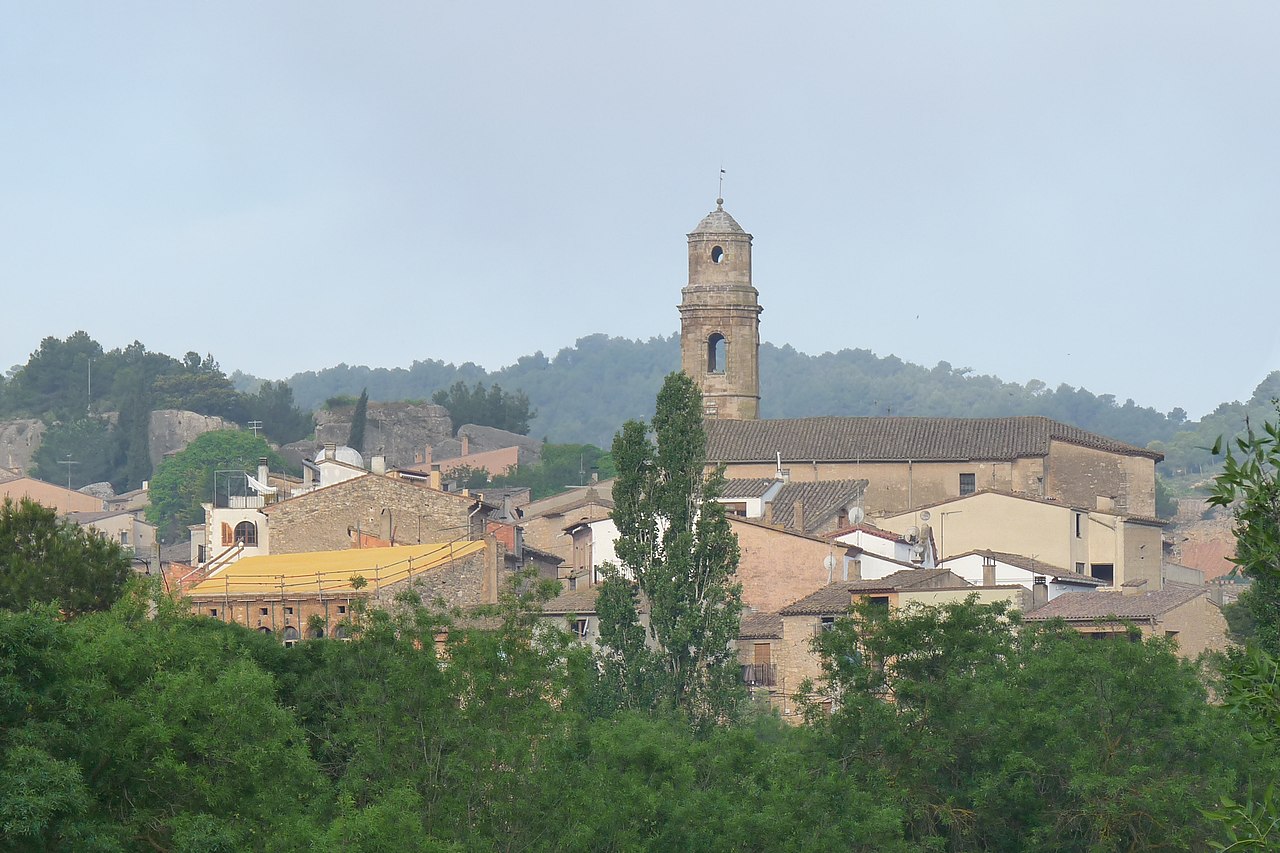
Small mountain village with stone houses and a medieval bridge in a wooded setting.
Hide article Read full article
Vallclara: The Village You Drive Through to Get Somewhere Else
You know when you're heading to Poblet or Montblanc and you see a sign for a place you've never heard of? That's Vallclara. It's the kind of detour you take on a whim, because the road looks quiet and you've got twenty minutes to spare. You don't come for Vallclara; you pass through it on the way to somewhere with a brochure.
With about ninety people, it's the definition of a one-minute town. The streets are empty in that way that feels peaceful, not abandoned. You hear your own footsteps on the stone, and maybe a radio playing from an open kitchen window. It’s not pretty in a postcard sense—it’s just… there. And after the crowds at the monastery, that can be exactly what you need.
What You Actually Do Here (It Won't Take Long)
Let's be clear: your camera won't get a workout. The church is simple, some doorways have nice arches, and that's about it for landmarks. The point is the stroll. You park by the plaza, walk up one street, down another, and before you know it you're at the edge of town, looking at vineyards.
That’s where Vallclara makes sense. Suddenly you see the whole Conca de Barberà laid out—neat rows of vines, those dry stone walls, the Prades mountains in the distance. It’s a working landscape, not a staged one. There’s no mirador sign, just a spot on the path where the view opens up.
Walks Where You Won't Get Lost (Probably)
The paved road becomes a dirt track, and that track leads into the fields. If you follow it for a bit, you get proper countryside within five minutes. We’re talking paths used by tractors, lined with holm oaks and pine trees. It’s flat-ish, easy walking.
You might see a few cyclists; the terrain is gentle and there are zero cars. It feels like the kind of place locals walk their dogs. There are some marked routes linking to other villages, but if you're just stretching your legs, wandering aimlessly works perfectly.
The Practical Side: Location and Timing
Vallclara sits almost exactly between Montblanc and Poblet Monastery. The strategy most people use—and it's a good one—is to hit the big sights early, then come here for a late morning or early afternoon pause. It acts as a palate cleanser.
You'll see vineyards everywhere because this is wine (and olive oil) country. The local life revolves around it. If there's any festival activity, like the festa major in July or a bonfire for Sant Joan, it'll be neighbours chatting in the square—not something put on for you.
Getting there: You drive. It's about 15 minutes from Montblanc on small regional roads. How long: Give it an hour total. Park, walk through every street slowly, amble down a farm track for ten minutes, then leave. The vibe: It’s quiet without trying to be “tranquil.” It feels lived-in because it is.
It won't blow your mind or become the highlight of your trip. But as a short break from more famous places nearby, it does its job well. You drive away feeling like you saw something real, not curated. And sometimes that’s enough